
Predation in ecology: interactions, adaptations, and ecological role
Predation is the biological interaction in which a predator hunts, kills, or consumes other organisms (prey). This article explains types, adaptations, ecological importance, examples, and distinctions.
Overview
In ecology a predator–prey relationship is an interaction in which one organism, the predator, captures and consumes another, the prey. This interaction typically ends in the death of the prey and the transfer of its biomass to the predator. Predation is a fundamental ecological process that shapes population sizes, community composition, and the flow of energy through ecosystems. For background on ecosystem concepts see ecology and for general biological context see animal studies.
Image gallery
10 Images




Characteristics and adaptations
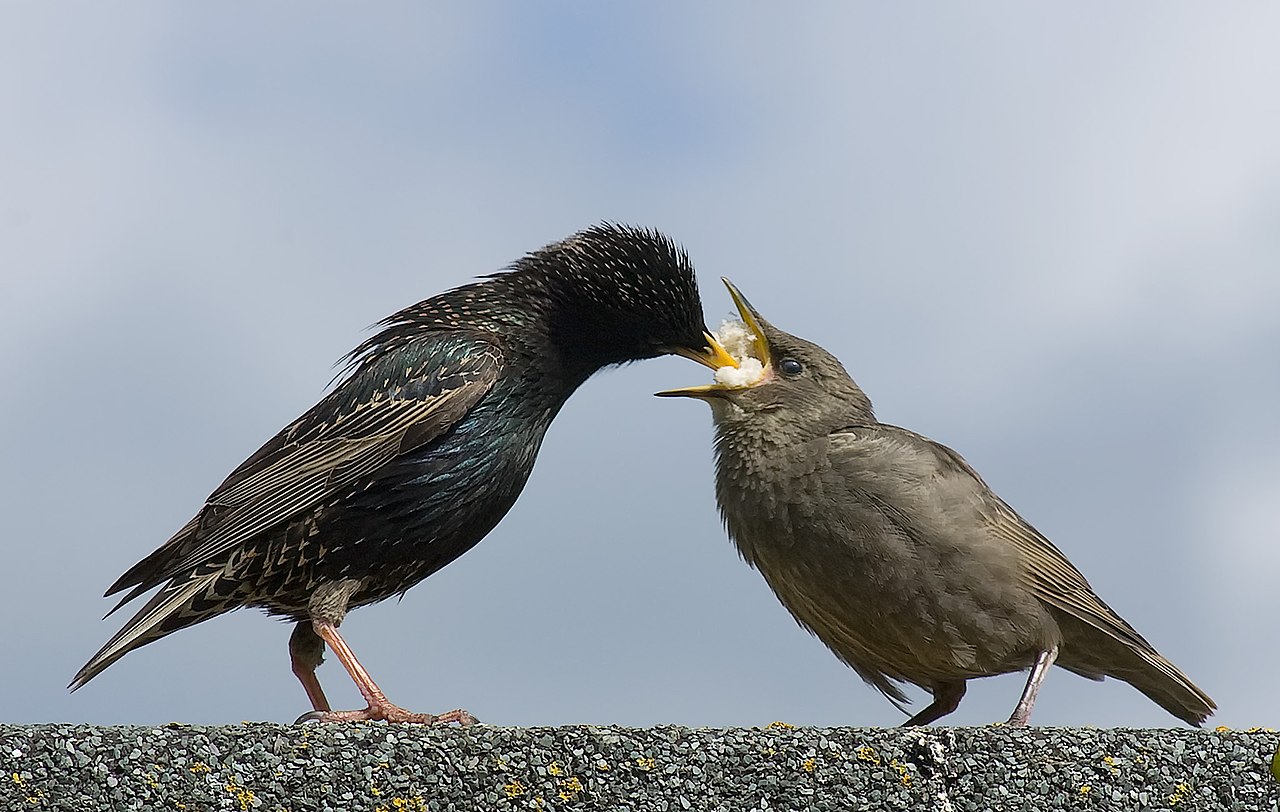
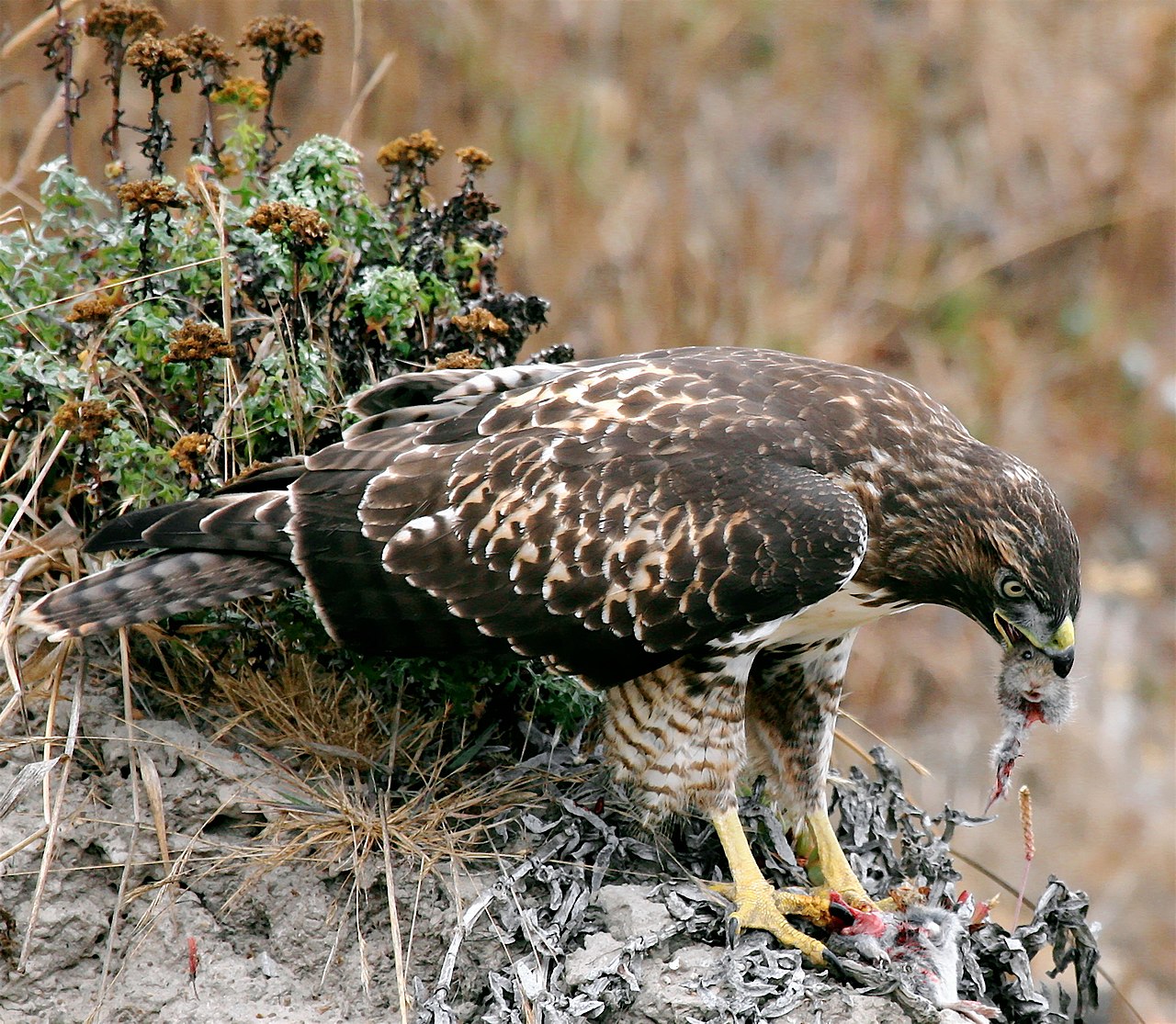
Predators display a range of anatomical and behavioural features adapted to locating, capturing and processing prey. Physical adaptations include teeth, claws, beaks and venom; behavioural traits include stalking, ambushing, pursuit and cooperative hunting. Many invertebrates use trapping structures such as webs or snares: for example, a spider immobilizes insects with silk and venom. Predators are commonly carnivores or omnivores, and they seek food in forms that range from single prey items to large ungulates or schools of fish.
Examples of predators
- Hawks and falcons are aerial hunters that often take small mammals and birds.
- Eagles hunt from perches or by soaring and can take large vertebrate prey.
- Cats, from domestic to wild felids, use stealth and pounce tactics.
- Crocodiles and snakes employ ambush and constriction or venom, respectively.
- Birds of prey are often grouped as raptors for their shared hunting ecology.
- Marine and large terrestrial predators include lions, sharks and families of social hunters such as wolves and killer whales; even some crustaceans like lobsters are active predators.
Types and broader distinctions
Predation is a broad category that includes one-off kills, repeated hunting throughout life, and specialized strategies such as parasitoidism (where the host is ultimately killed by a developing stage) and kleptoparasitism (stealing another predator's capture). Scavenging—feeding on already-dead animals—overlaps with predation but does not necessarily involve killing. Some species combine behaviours: a predator may scavenge when the opportunity arises, and many so-called predators occasionally fall prey themselves or compete with other predators.
Ecological importance and study
Predators influence the abundance, distribution and behaviour of prey species, sometimes producing trophic cascades that reshape entire ecosystems. The removal or reintroduction of top predators can lead to measurable changes in vegetation, prey populations and even geomorphology. Ecologists model predator–prey dynamics with mathematical frameworks (for example, Lotka–Volterra models) and study them through observation and experiments to understand stability, cycles and coexistence.
Notable facts and conservation
Top or apex predators—organisms at the top of food chains—have no natural predators and often exert strong regulatory effects on ecosystems. Because predators are sensitive to habitat loss, human persecution and declines in prey, many predator species are conservation priorities. Effective management recognizes the complex roles predators play and balances human needs with ecological function.
For further reading on related topics see resources on food webs and species interactions: ecology, predator behaviour summaries at food resources, and species accounts linked above.
Questions and answers
Q: What is predation?
A: Predation is a relationship and actions between two creatures where a predator catches, attacks, and eats its prey.
Q: Do predators always kill their prey before eating them?
A: Predators may or may not kill their prey before eating them, but the act of predation always causes the death of its prey.
Q: Can an animal be both a predator and a scavenger?
A: Yes, many animals act as both predator and scavenger.
Q: What is a true predator?
A: A true predator is an animal that kills and eats another animal.
Q: What is a top predator or apex predator?
A: A top predator or apex predator is one that is not the prey of other predators.
Q: What kind of animals are typically predators?
A: Predators are usually carnivores (meat-eaters) or omnivores (eats plants and other animals).
Q: Do predators eat other predators?
A: Predators mostly do not eat other predators.
Related articles
Author
AlegsaOnline.com Predation in ecology: interactions, adaptations, and ecological role Leandro Alegsa
URL: https://en.alegsaonline.com/art/78687