
Bean (seed of legumes and similar seeds)
Overview of beans: botanical scope, common types, nutrition, culinary and agricultural uses, ecological role, cautions and non-legume seeds called 'beans'.
A bean is the seed of certain plants, most often members of the legume family. In everyday usage the term covers a wide range of edible seeds and pulses produced by plants in the family Fabaceae and related groups. Because many of these seeds grow inside pods and share a broadly similar shape they are commonly called legumes or simply beans. Beans vary greatly in size, shape, color and culinary use, from small lentils to large broad beans.
Image gallery
10 Images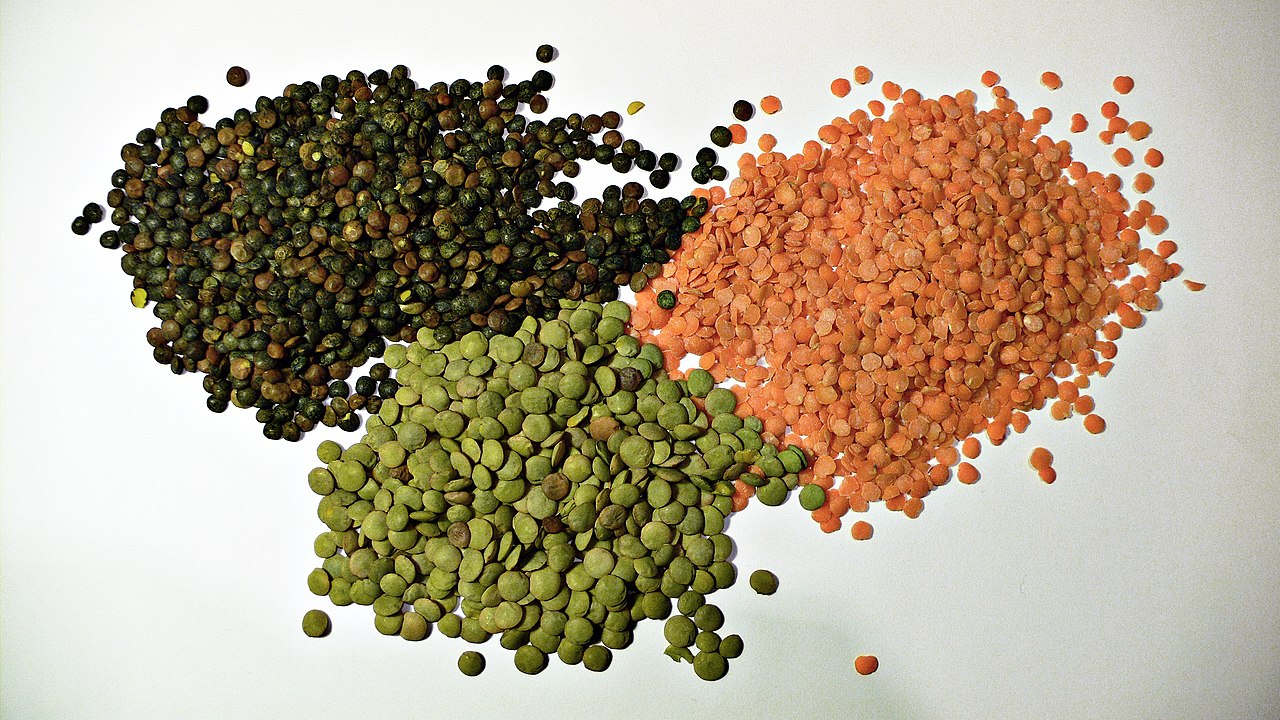




Common types
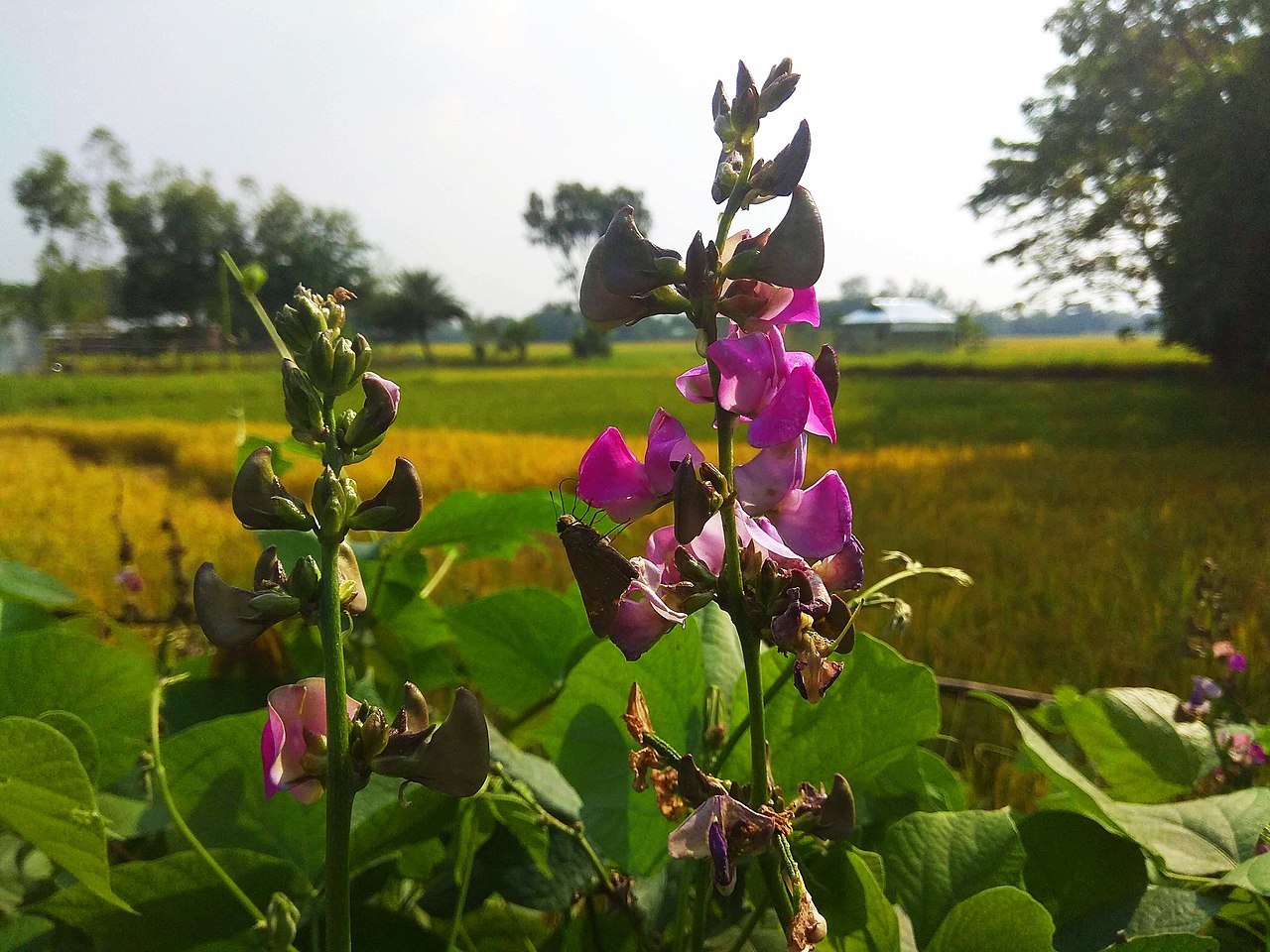
Well known cultivated examples include lentils, soybeans, and garden peas, alongside the many varieties of common beans (Phaseolus species). Other genera in the family, such as vetches and lupins, are closely related; some lupins are used as food in certain regions after appropriate processing. Not every plant in Fabaceae is safe to eat: ornamental trees such as laburnums are poisonous and must not be consumed.
Nutrition and health
Beans are valued for their high plant-based protein content, complex carbohydrates and dietary fibre. They supply essential minerals and B vitamins and are a staple protein source in many traditional diets. Raw or undercooked beans can contain antinutrients and other compounds that are reduced by soaking, draining and thorough cooking. Certain beans, such as fava (broad) beans, can cause adverse reactions in people with specific enzyme deficiencies; such sensitivities are well known in medical guidance.
Culinary and industrial uses
- Food: eaten fresh, dried, mashed, sprouted, fermented or ground into flours for breads, stews, soups and spreads.
- Processed products: soybeans yield tofu, tempeh and soy oil; other pulses are milled into protein concentrates and flours.
- Non-food beans: some seeds called "beans" are not legumes but are named for their resemblance or culinary role, for example coffee beans, cocoa beans and vanilla beans, which are seeds or fruits of unrelated plant families.
Agriculture, ecology and culture
Leguminous beans play an important ecological role because many species form symbiotic relationships with nitrogen-fixing bacteria, improving soil fertility and making them valuable in crop rotations and sustainable systems. Beans have been domesticated in multiple regions of the world and figure prominently in cuisines from Latin America, Africa, Asia and Europe. They are prized for long storage life and adaptability to diverse climates.
Precautions and selection
Some species or wild varieties contain toxins and require careful processing; other issues include flatulence from certain oligosaccharides and the need to select appropriate cultivars for local growing conditions. Proper preparation, culinary knowledge and attention to species differences allow beans to remain versatile, nutritious and safe components of diets worldwide.
Related articles
Author
AlegsaOnline.com Bean (seed of legumes and similar seeds) Leandro Alegsa
URL: https://en.alegsaonline.com/art/9814