
Banded stilt (Cladorhynchus leucocephalus)
An Australian wading bird known for its chest band, nomadic breeding on ephemeral salt lakes and dependence on brine shrimp; locally vulnerable though not globally rare.
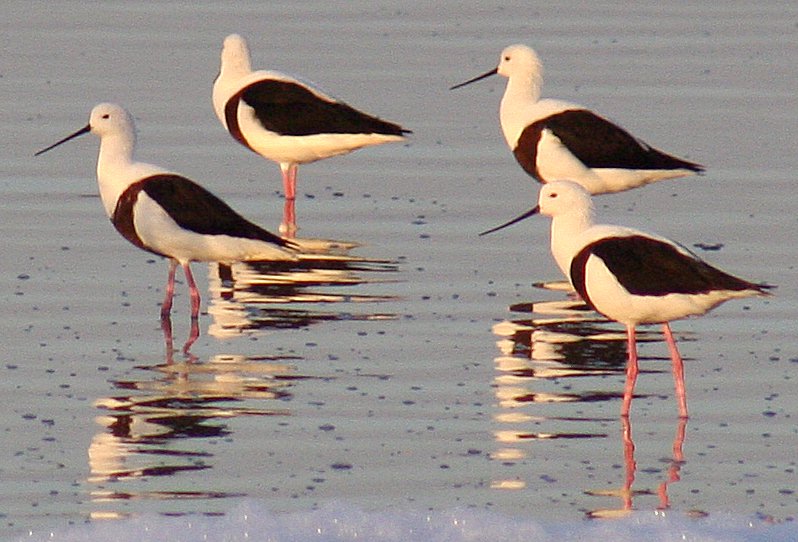
The banded stilt (Cladorhynchus leucocephalus) is a distinctive wading bird endemic to Australia. It is best known for a rufous breast band on adult birds and for an irregular, nomadic breeding strategy tied to inland floods. The species is widely observed along coasts and estuaries as well as in the arid interior when conditions permit; it is often called the "Flamingo of Australia" because of its coloured breast nickname and is also referred to on some islands as the Rottnest snipe local name, although it is not closely related to true snipes. Most records and field studies come from locations across mainland Australia.
Image gallery
8 Images



Description
Adult banded stilts stand roughly 35–45 cm tall and have long, slender legs and a relatively fine bill adapted for probing mud and shallow water. They display a conspicuous chest band—reddish or brown in tone—absent in juveniles. Plumage is contrastingly pied, with black and white elements and dark brown eyes. Juveniles and non-breeding adults lack the full chest band and appear paler. These features make them readily distinguishable from other Australian shorebirds.
Habitat and feeding
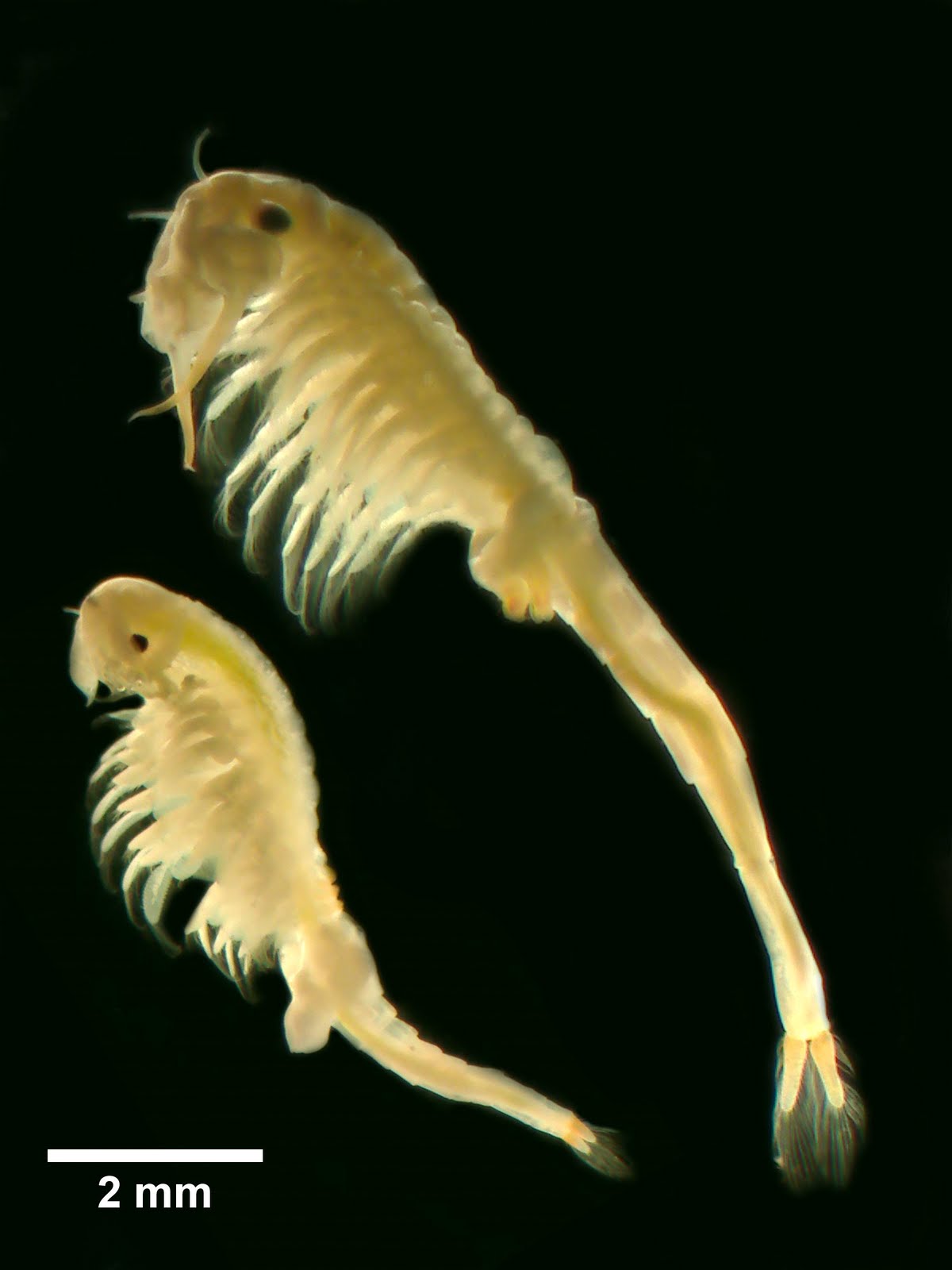
Banded stilts forage in a variety of wet habitats: coastal tidal flats, estuaries and shallow lagoons, but they are best known for exploiting ephemeral inland salt lakes after seasonal rains. When salt lakes flood they support dense populations of brine shrimp and other aquatic invertebrates. The birds feed by wading and picking at the water surface and mud, taking tiny crustaceans such as the salt lake shrimp Paratemia and assorted insect larvae. Many brine-shrimp eggs can remain dormant in dried lake beds for years, hatching only after inundation, which triggers mass arrivals of feeding stilts.
Breeding and life cycle
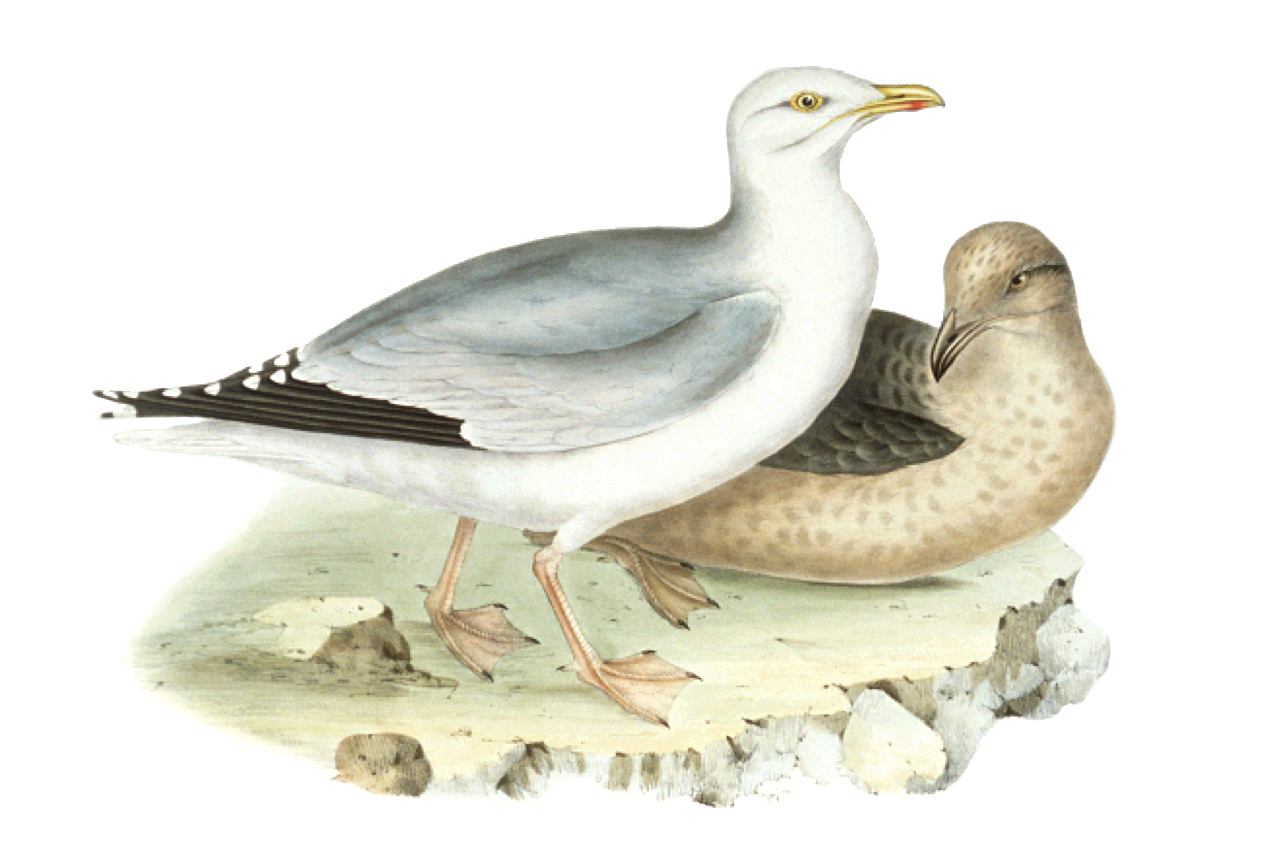
Breeding in banded stilts is opportunistic and tightly linked to rare flooding of inland salt pans and lakes. They build simple nests by scraping shallow depressions in sand or clay, often on islands formed when dry salt lakes fill. Clutch size typically ranges from one to five eggs, which may be pale, brown or dark in coloration in various tones. Because productive breeding opportunities are so infrequent, colonies may number many thousands of birds when conditions are right. Eggs and chicks, however, face heavy predation from gulls and other predators.
Notable breeding events and records
Banded stilts have a sparse recorded breeding history: in roughly 200 years since European settlement there have been only a few dozen documented breeding events, illustrating how irregular their inland breeding is historical note. In South Australia the species has been listed as vulnerable under state measures legal status and remains a conservation concern regionally. Large, well-publicised gatherings have occurred when inland basins filled: for example, more than 150,000 birds assembled at Lake Torrens in 2010 when the lake filled unusually (recorded event). Conversely, a major breeding attempt at Lake Eyre in 2000 saw heavy losses of chicks to predation (predation event).
Conservation and threats
Globally the banded stilt is not considered imminently endangered, but its dependency on unpredictable inland flooding and on a narrow set of food resources makes local populations vulnerable. Predation by silver gulls and introduced predators, disturbance of breeding sites, changes in rainfall patterns and habitat modifications all pose risks. Conservation actions focus on monitoring known inland lakes and protecting breeding islands during flood events, plus addressing regional threats where the species is listed as vulnerable.
Key characteristics and importance
- Scientific name: Cladorhynchus leucocephalus.
- Habitat: coastal mudflats and ephemeral inland salt lakes.
- Diet: small crustaceans (including Paratemia), insect larvae and other invertebrates.
- Breeding: opportunistic, on islands or raised shorelines after flooding.
- Conservation: locally vulnerable in some states; requires episodic protection during breeding events.
Because their life cycle links the arid interior to productive but ephemeral aquatic systems, banded stilts are a striking example of how unpredictable environmental pulses shape the ecology of Australian birds. Ongoing surveys and rapid-response protection of breeding sites remain important to prevent localized declines and to better understand their remarkable nomadic behaviour.
Desert breeding patterns can seem surprising to observers who mainly encounter stilts on coasts; a closer look at their biology explains how rare rainfall can trigger spectacular breeding gatherings and temporarily transform otherwise dry basins into vital wildlife habitat.
Further reading and monitoring resources are available from regional bird conservation groups and wildlife authorities; such sources track breeding events, population trends and conservation actions for this unusual shorebird in Australia.
Questions and answers
Q: What is the name of the bird?
A: The bird is called the Banded Stilt (Cladorhynchus leucocephalus).
Q: How tall is the Banded Stilt?
A: The Banded Stilt is 35–45 cm tall.
Q: What other names does it have?
A: It is also known as the "Flamingo of Australia" and the Rottnest snipe on Rottnest Island.
Q: Where do they look for food?
A: They spend much of their life looking for food near the ocean in river estuaries and on tidal flats.
Q: Where do they lay eggs?
A: They lay eggs in desert areas when it rains there.
Q: How many eggs do they lay at a time?
A: They typically lay 1-5 eggs at a time.
Q: What color are their eggs?
A: Their eggs are white, brown or black in color.
Tags
Related articles
Author
AlegsaOnline.com Banded stilt (Cladorhynchus leucocephalus) Leandro Alegsa
URL: https://en.alegsaonline.com/art/8688
Sources
- iucnredlist.org : "Cladorhynchus leucocephalus (Banded Stilt)"
- abc.net.au : "Natural History Programs– ABC Nature"
- theage.com.au : "Rain's blessing: stilt chicks take their first steps"
- shorebirds.org.au : "Banded stilts breeding at Lake Eyre"
- commons.wikimedia.org : Cladorhynchus leucocephalus