
Chest (Thorax): Structure, Function, and Variations Across Animals
Overview of the chest or thorax: its anatomy in vertebrates, equivalent segments in insects and crustaceans, functions in breathing and protection, and notable distinctions.
Overview
The chest, commonly called the thorax in anatomical contexts, is the anterior portion of the trunk that lies between the neck and the abdomen. In humans and other vertebrates this region encloses and protects vital organs and contributes to breathing mechanics. For a general sense of where it sits relative to the rest of the body see torso and the boundary toward the neck at neck.
Image gallery
9 Images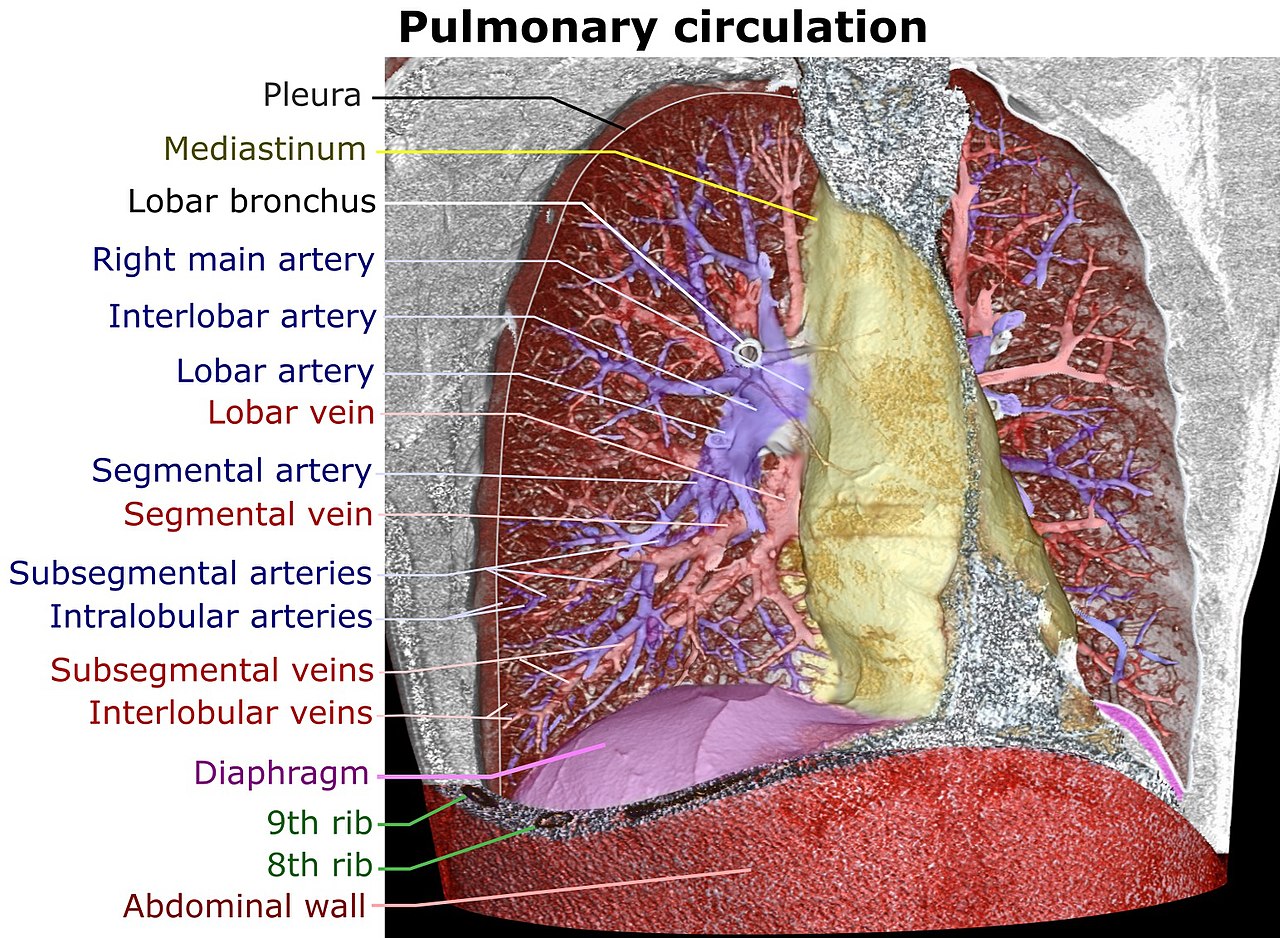


Structure in vertebrates
In mammals and other vertebrates the chest is formed by a bony and cartilaginous framework that supports and protects internal organs. Key components include:
- Sternum (breastbone) — a central plate on the front of the chest.
- Thoracic vertebrae — the section of the spine to which ribs attach.
- Ribs — curved bones that form the rib cage.
These elements combine to form the thoracic cage which extends from the base of the neck to the upper surface of the diaphragm, the primary muscle of respiration.
Thorax in insects and crustaceans
Insects and many crustaceans have a body plan divided into three main regions: head, thorax, and abdomen. Their thorax is the middle section and typically bears the locomotor appendages. In most cases the walking legs are attached to the thorax, while wings (when present) also arise from this segment. For examples see resources on insects and crustaceans, and note the role of the walking legs in mobility.
Function and clinical importance
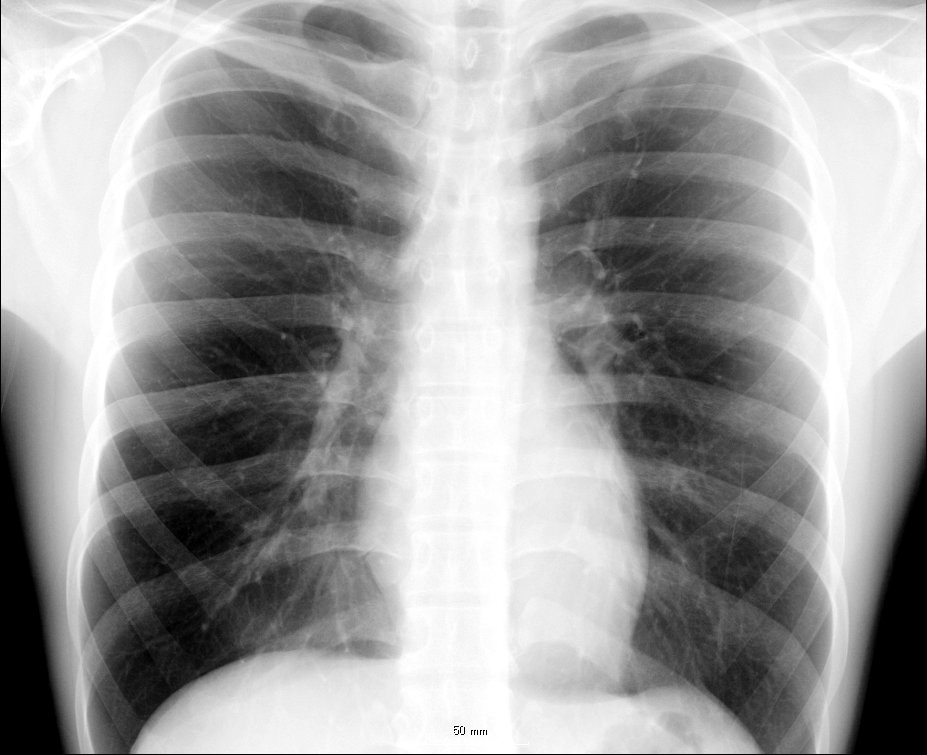
The chest protects the heart and lungs, supports breathing through expansion and contraction of the rib cage, and provides attachment points for muscles involved in posture and respiration. Clinically, chest anatomy is central to understanding injuries (rib fractures, sternum trauma), respiratory disease, and cardiovascular conditions. Medical imaging and physical examination focus heavily on this region because of the organs it contains.
Distinctions and notable facts
"Chest" and "thorax" are often used interchangeably in everyday language, but "thorax" is the preferred technical term in comparative anatomy because it also describes the middle body region of many invertebrates. The exact bony arrangement and number of ribs vary across vertebrate groups, and the presence of a protective exoskeleton versus an internal rib cage distinguishes many invertebrate thoraces from vertebrate chests.
Further reading: introductory anatomy texts and comparative zoology sources provide diagrams and species-specific details for the chest and thorax. For quick reference on body regions consult a general anatomy index at torso or a comparative anatomy overview at mammals.
Related articles
Author
AlegsaOnline.com Chest (Thorax): Structure, Function, and Variations Across Animals Leandro Alegsa
URL: https://en.alegsaonline.com/art/19351