
Coşna (commune in Suceava County, Romania)
Coşna is a rural commune in Suceava County in the historical region of Bukovina, northeastern Romania, known for forested landscapes, traditional rural life and links to the Eastern Carpathians.
Coşna is a rural commune located in the northern part of Suceava County, within the historical region of Bukovina in northeastern Romania. As an administrative unit it comprises several small villages and settlements typical of Romania's communal structure. The area is recognized for its wooded hills and rural character rather than large urban centres.
Image gallery
5 Images
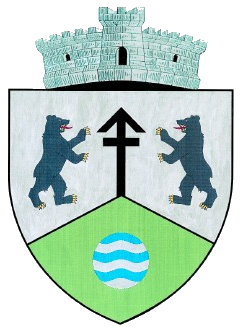


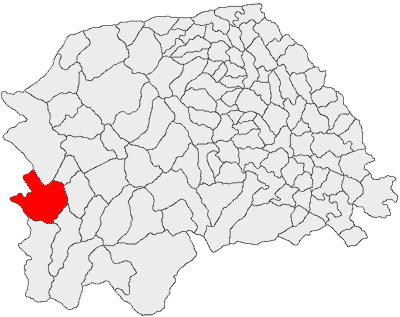
Geography and environment
The commune lies in a transitional zone between low hills and the lower ranges of the Eastern Carpathians. The landscape is dominated by forests, pastures and small agricultural plots. Local streams and valleys shape a mixed environment that supports diverse plant and animal life and offers scenic opportunities for visitors interested in hiking and nature.
Administration and population
Coşna functions under Romania's commune model of local government, with a mayor and a communal council responsible for public services, infrastructure and local development. Like many rural areas in northern Romania, it experiences demographic pressures such as out-migration and an aging population, factors that influence local schools, services and economic prospects.
History and cultural context
The commune shares the broader history of Bukovina, a frontier region that developed a multicultural character over centuries. Historically part of the Principality of Moldavia, Bukovina came under Habsburg administration in the late 18th century and rejoined Romania after World War I. This layered past is reflected in regional architecture, traditions and place names.
Economy, uses and importance
Local economic activity centers on forestry, small-scale agriculture, animal husbandry and crafts. In recent decades there has been interest in rural and ecological tourism, leveraging natural scenery and traditional lifestyles. Community initiatives often aim to balance resource use with conservation and to attract visitors seeking outdoor recreation.
Notable facts and distinctions
- Part of the historic Bukovina region, known for cultural diversity and mountain landscapes.
- Typical communal administration in Romania with several component villages.
- Potential for nature-based tourism and conservation efforts in forested terrain.
For more information about administrative details or visiting options, consult regional guides and local authorities in Suceava County.
Related articles
Author
AlegsaOnline.com Coşna (commune in Suceava County, Romania) Leandro Alegsa
URL: https://en.alegsaonline.com/art/23317