
Christian naturism: belief, practice, and distinctions within Christianity
An overview of Christian naturism, its theological basis, practices, history, distinctions from secular naturism, and social and legal considerations for believers who embrace nudity.
Overview
Christian naturism refers to a small but diverse movement of Christians who adopt naturist or nudist practices as part of their faith. Adherents view bodily nakedness in many contexts as compatible with Christian teaching and as an affirmation of the human body as God’s creation. The term is often discussed alongside broader social movements such as naturism and the clothes-free movement, but Christian naturists frequently describe their motivation in spiritual and theological, not merely recreational, terms.
Image gallery
10 Images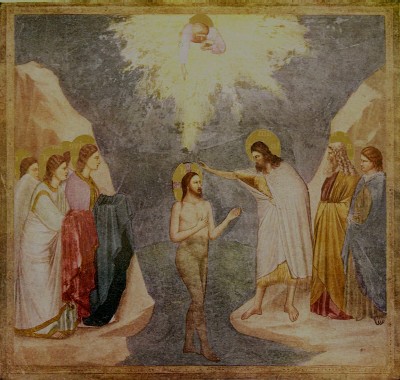


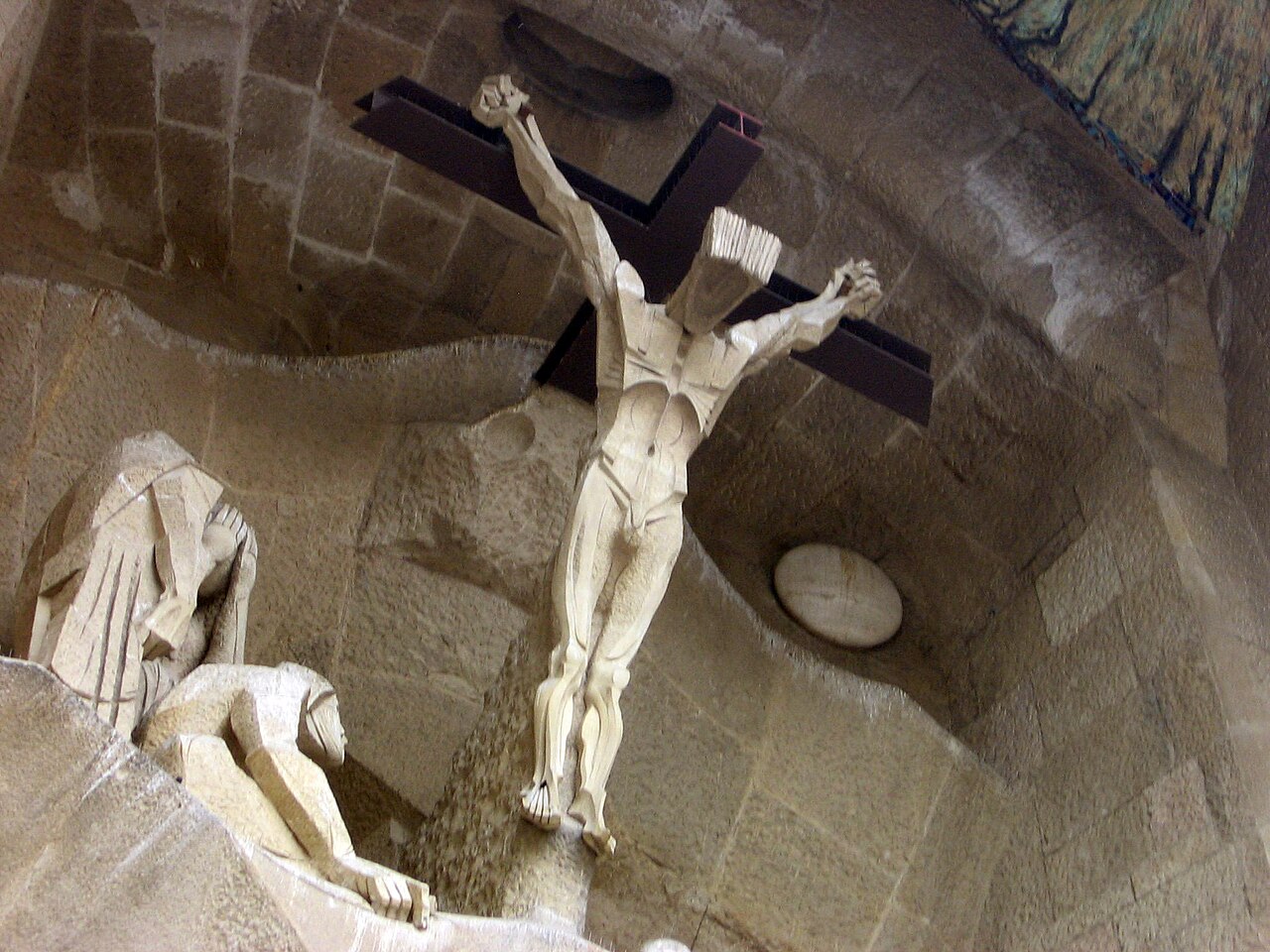


Beliefs and theological basis
Central to Christian naturist conviction is a positive understanding of the human body as made by God. Many proponents reject the idea that the body is inherently shameful (shameful) and emphasize passages from Scripture that treat nakedness in different ways — for example, the vulnerability of Adam and Eve, ritual or celebratory uses of unclothed worship, and metaphors of transparency and honesty. Interpretations vary by tradition, and participants can be found across multiple denominations. Most Christian naturists state they remain committed to the authority of the Bible and to worshiping in ways that they believe honor God (worshiping), while rejecting sexualization of situations meant to be non-sexual.
Practices and communities
Practices range from private prayer and family recreation in the nude to organized group gatherings, retreats, and small fellowship meetings where clothing is optional or absent. Participants take different approaches to public and private life: some limit undress to private settings, others to specific naturist venues, and some incorporate it into communal worship. Questions of appropriate clothing or lack thereof are negotiated according to context, local norms, and legal constraints.
History and development
Christian approaches to nudity have long historical roots in biblical narrative and early Christian art, but modern Christian naturism is largely a 20th-century development, influenced by the general naturist movement and by changing social attitudes toward the body. Various small organizations, online networks, and local groups formed to provide community and theological resources for believers who wished to reconcile naturist lifestyle choices with Christian commitments.
Distinctions from secular or pagan naturism
- Many Christian naturists emphasize a theistic and Christ-centered motivation, explicitly distancing themselves from New Age spirituality or non-theistic philosophies.
- They often criticize man-centered philosophies described as man-centered philosophy or humanism, preferring a framework that places God, not human autonomy, at the center.
- Christian naturists commonly reject any notion of worshiping nature or pantheism, asserting that appreciation for creation does not equate to nature worship.
Controversies, legal and social considerations
Christian naturism is controversial both inside and outside church communities. Critics raise concerns about modesty, sexual temptation, and public indecency laws; supporters counter that context, consent, and intent distinguish spiritual nudity from sexual exhibition. Practically, Christians involved in naturism must navigate local regulations on public nudity, the policies of religious bodies, and social reactions from family and congregations. As a result, many participants practice discretion and form private or private-access communities to live out their convictions.
Significance and current status
Though numerically small, Christian naturism highlights broader questions about how faith traditions relate to the body, modesty, and cultural norms. It represents one of several ways believers attempt to integrate personal convictions about physical embodiment with theological commitments, and it continues to generate discussion about interpretation of Scripture, pastoral care, and respectful community boundaries.
Questions and answers
Q: Who are Naturist Christians?
A: Naturist Christians are Christians who practice naturism or nudism and are part of the clothes-free movement.
Q: What do Naturist Christians believe about the human body?
A: Naturist Christians believe that the human body is the greatest making of God and should not be covered, as it is not shameful.
Q: In which denominations of Christianity can Naturist Christians be found?
A: Naturist Christians can be found in almost all groups of Christianity, called "denominations."
Q: Do Naturist Christians find any conflict with the teachings of the Bible?
A: No, Naturist Christians do not find any conflict with the teachings of the Bible when it comes to living their lives and worshiping God without any clothing.
Q: What do most Naturist Christians have differences with?
A: Most Naturist Christians have differences with New Age and man-centered philosophy (called "humanism"), which is common among other naturists.
Q: Do Naturist Christians worship nature?
A: No, Naturist Christians do not worship nature at all and wish to be separated from it.
Q: What is the clothes-free movement?
A: The clothes-free movement is a movement that advocates for nudity as a way to promote body positivity, overcome shame, and challenge cultural taboos around nudity. Naturist Christians are part of this movement.
Related articles
Author
AlegsaOnline.com Christian naturism: belief, practice, and distinctions within Christianity Leandro Alegsa
URL: https://en.alegsaonline.com/art/20100