
Coral (color)
Coral is a warm pink-orange color named for marine corals. Used in art, fashion, and design, it has several variants and cultural associations of warmth, vitality, and feminine elegance.
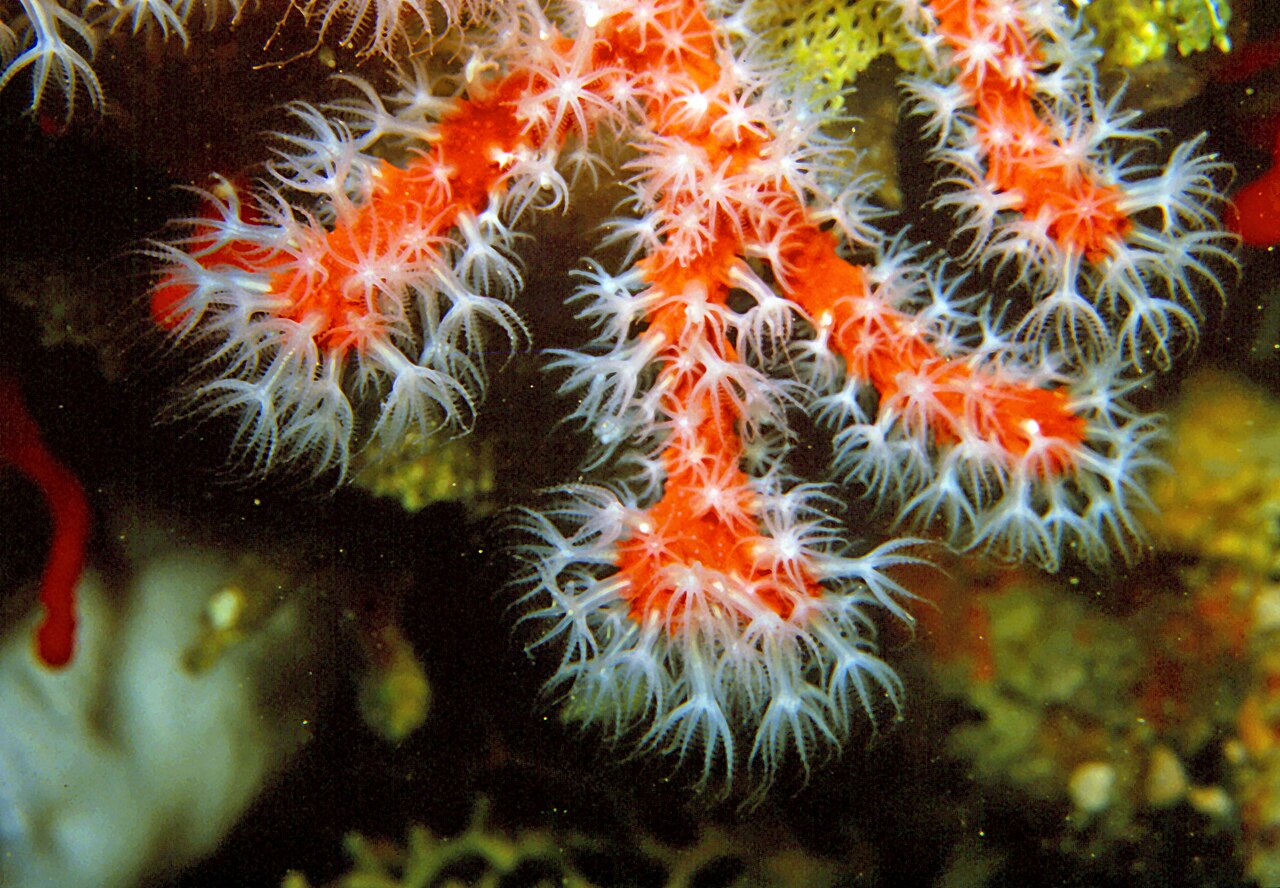
Coral is a warm hue that sits between pink and orange on the color spectrum. It takes its name from the marine animals called corals, whose living tissues and symbiotic algae create a range of pink, red and orange tones. In everyday usage people describe coral as either more reddish or more orangeish depending on the exact tint and saturation.
Image gallery
3 Images

Characteristics and variations
The family of coral colors includes softer, pastel versions and deeper, more saturated variants. Styles commonly referred to as coral include coral pink, coral red, and light coral in digital palettes. Designers choose specific shades of coral to convey warmth, energy, or softness; subtle shifts in brightness and saturation produce noticeably different impressions.
Origins and name
The name derives directly from the marine organism: the coral animal that builds reefs and exhibits vivid pigments and the colors of its symbiotic algae. The English word for the color was recorded by writers as early as 1513, when authors began using natural references to describe dye and pigment shades. For many cultures, the living coral and the color have long been linked in decorative arts and jewelry.
Uses and symbolism
Coral is widely used in fashion, cosmetics, interior design, and branding for its friendly, inviting quality. It is often chosen to signal warmth, vitality, or feminine refinement without the intensity of pure red. In cosmetics, coral lipsticks and blushes are popular because they flatter a broad range of skin tones; in interiors, coral accents enliven neutral palettes.
Distinctions and related colors
Coral is distinct from related hues such as salmon, peach, and terracotta by its balance of pink and orange. Exact names and classifications vary between paint manufacturers, digital color systems, and cultural traditions. The natural corals that inspired the name are biological organisms rather than pigments, and their colors depend on both pigments and the presence of symbiotic algae.
For more detailed color systems, sample palettes and historical notes see general color references and marine biology sources such as coral species, color dictionaries at color suppliers, design guides at design resources, and historical language records at early English texts.
Questions and answers
Q: What is coral color?
A: Coral color is a reddish or orangeish shade of pink.
Q: What is the origin of the name "coral" for this color?
A: The color is named after the sea animal also called corals.
Q: When was the first written use of "coral" as a color name in English recorded?
A: The first written use of coral as a color name in English was in 1513.
Q: What is the significance of the fact that coral is named after a sea animal?
A: The significance of the fact that coral is named after a sea animal is not clear but it could be due to the resemblance of the color to the color of some corals.
Q: How does coral color differ from pink color?
A: Coral color differs from pink color in that it is reddish or orangeish while pink color is a lighter shade of red.
Q: Can coral color be considered a tone of red?
A: Coral color can be considered a tone of red since it has a reddish component to it.
Q: Is coral color commonly used in fashion and interior design?
A: Yes, coral color is commonly used in fashion and interior design due to its vibrant and lively appearance.
Related articles
Author
AlegsaOnline.com Coral (color) Leandro Alegsa
URL: https://en.alegsaonline.com/art/23010