
Catarrhini: the Old World monkeys and apes
Catarrhini are the Old World monkeys and apes, a major primate group native to Africa and Asia characterized by downward-facing nostrils, a shared dental formula, and many shared anatomical traits.
Overview
Catarrhini is an infraorder of higher primates that groups the Old World monkeys together with the apes. As a major branch of the simians, catarrhines are native to Africa and Asia and contrast with the New World monkeys of the Americas (New World monkeys). The group is often introduced in comparative anatomy, paleontology, and studies of human origins because it includes both nonhuman apes and humans.
Image gallery
6 Images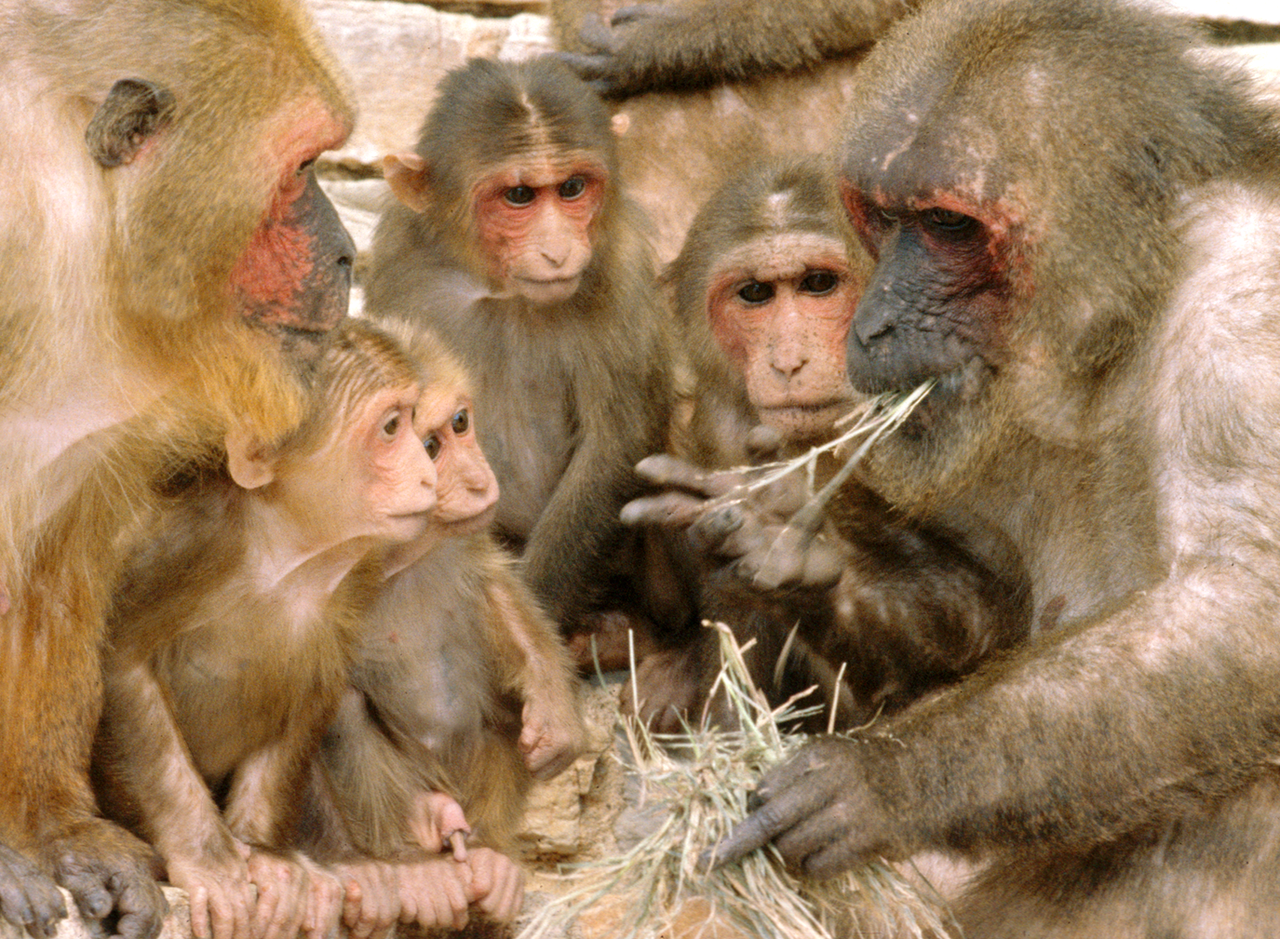

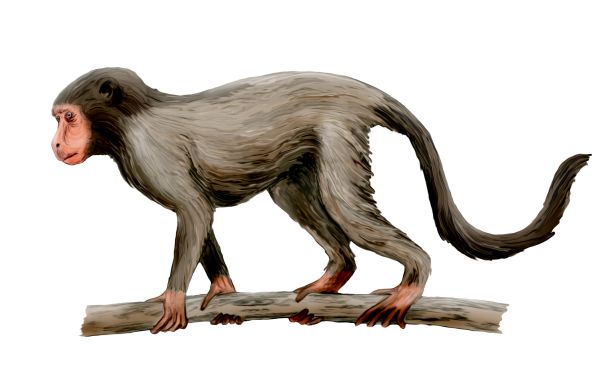
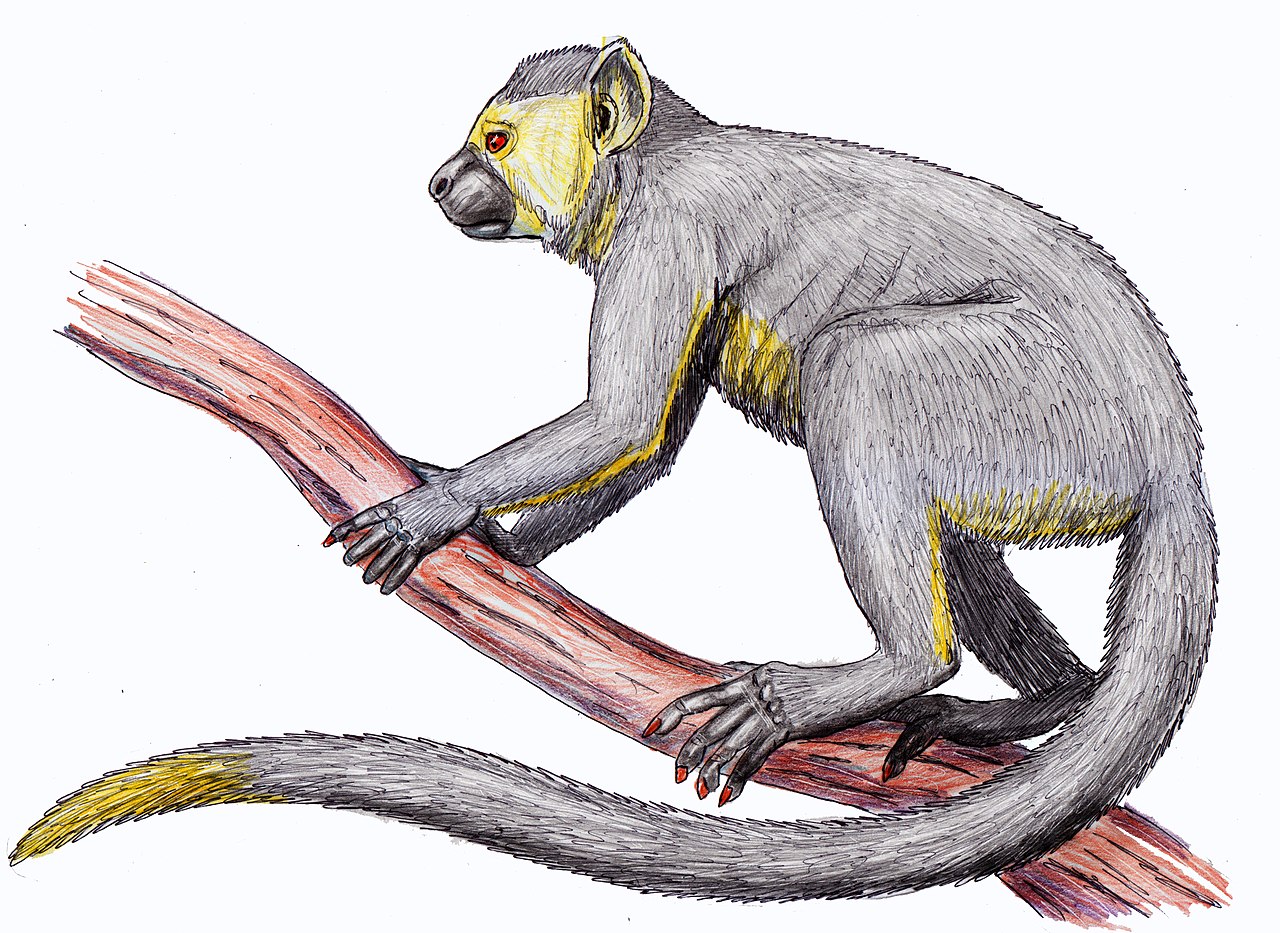

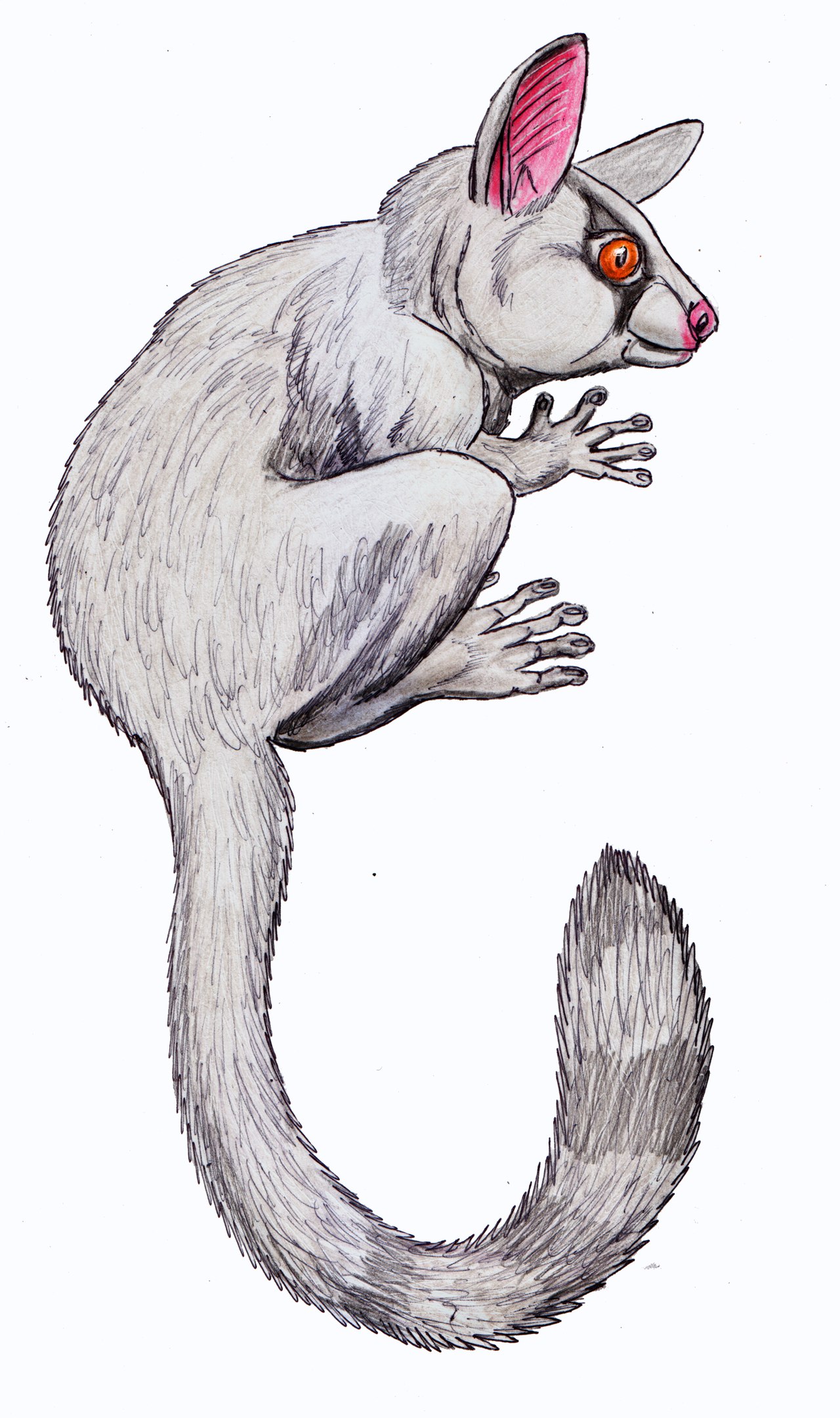
Key characteristics
Catarrhines share several anatomical and sensory traits that distinguish them from platyrrhines (New World monkeys). Typical features include:
- Nasal structure: narrow, downward-facing nostrils.
- Dental formula: generally two premolars (2.1.2.3 in each quadrant).
- Ear anatomy: a bony external ear tube (ectotympanic) is present.
- Vision: full trichromatic color vision is common across the group.
- Tails: no prehensile tails; many species have short or non-prehensile tails.
Taxonomy and members
Within Catarrhini, two superfamilies are usually recognized: the Cercopithecoidea, or Old World monkeys, and the Hominoidea, the apes. The apes are split into the lesser apes—represented by the gibbons—and the great apes. The great apes include the orangutans, gorillas, chimpanzees, bonobos, and humans. Together these taxa illustrate a range of body sizes, social systems, and habitats within the catarrhine clade.
Evolution and fossil record
Catarrhines diverged from the New World simians several tens of millions of years ago, with molecular and fossil evidence suggesting a split roughly in the range of about 30–40 million years ago. Early catarrhine fossils appear in Afro-Arabia and Eurasia as continental connections allowed dispersal and diversification. Subsequent branches gave rise to the distinct lineages of cercopithecoids and hominoids seen today.
Behavior, ecology and importance
Catarrhine species occupy forests, woodlands, and savannas and exhibit diverse diets from mostly frugivorous to omnivorous and folivorous. Social organization varies widely—from pair-bonded gibbons to large multi-male, multi-female troops of some Old World monkeys and the complex societies of great apes. Because the group includes higher primates studied in comparative biology and human evolution, catarrhines are important in fields ranging from primatology to medicine.
Conservation and notable facts
Many catarrhine species face threats from habitat loss, hunting, and disease; numerous monkey and ape species are listed as threatened or endangered. Catarrhine research has also illuminated human origins and behavior. For introductions and further reading see resources on higher primates, Old World monkeys, and the apes: higher primates, Old World monkeys, apes, gibbons, great apes, orangutans, gorillas, bonobos, chimpanzees, humans, Africa, Asia, New World monkeys.
Related articles
Author
AlegsaOnline.com Catarrhini: the Old World monkeys and apes Leandro Alegsa
URL: https://en.alegsaonline.com/art/17590