
New World monkeys: overview, traits, taxonomy, and conservation
New World monkeys (Ceboidea) are platyrrhine primates native to Central and South America. This article summarizes their anatomy, families, evolution, ecological roles, and conservation challenges.
Overview
New World monkeys are a group of primates native to tropical and subtropical forests of Central America and South America. They form the superfamily Ceboidea and are one of the two major living branches of higher primates called platyrrhines. As members of the order primates, they share many features with other primate groups but are distinct in several anatomical and behavioral ways.
Image gallery
8 Images




Key characteristics
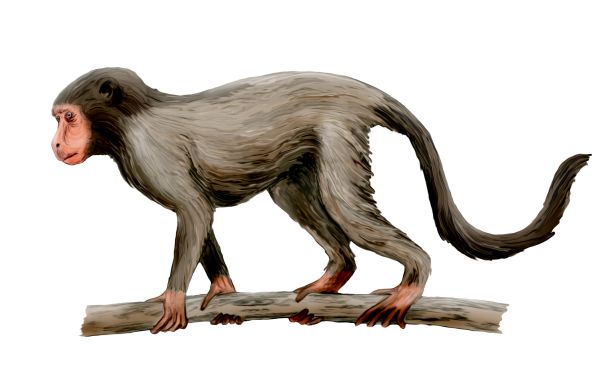
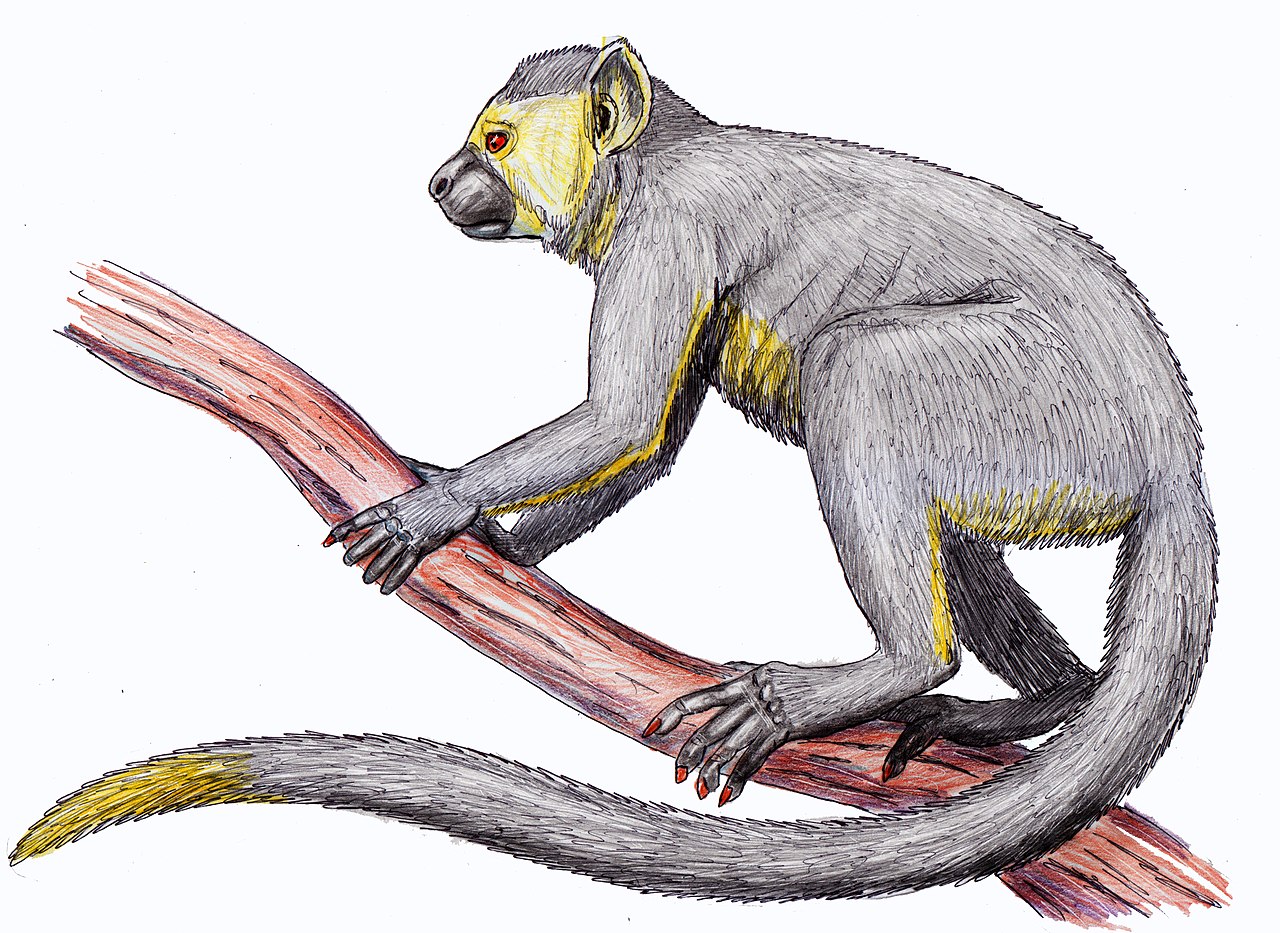
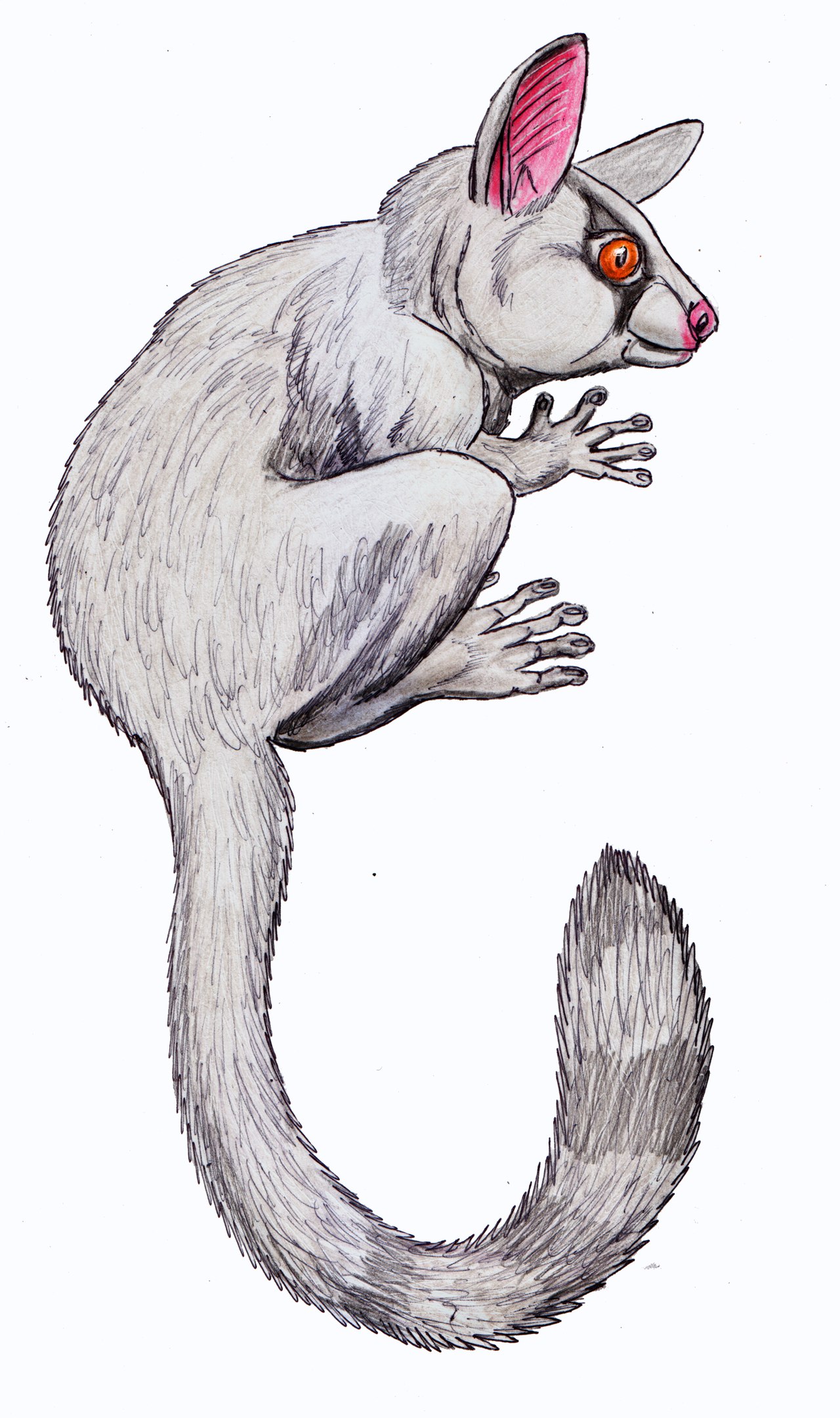
New World monkeys typically have a broad, flat nose with sideways-facing nostrils, a trait that contrasts with the downward-facing nostrils of the Old World lineage. Many species are arboreal, moving through the canopy with strong grasping hands and feet; several have evolved prehensile tails that function as a fifth limb for climbing and suspension. They vary widely in size, from small marmosets and tamarins to larger howler and spider monkeys, and display a range of diets including fruit, leaves, insects and small vertebrates.
Taxonomy and common families
The superfamily Ceboidea contains several families that are commonly recognized by biologists. Modern classifications may vary, but the main groups include:
- Callitrichidae — marmosets and tamarins, generally small, often with twin births and specialized claws.
- Cebidae — capuchins and squirrel monkeys, known for intelligence (capuchins) and agile leaping (squirrel monkeys).
- Atelidae — howler, spider and woolly monkeys, many with fully prehensile tails and loud vocalizations.
- Aotidae — owl or night monkeys, unique among monkeys for their nocturnal habits and large eyes.
- Pitheciidae — titis, sakis and uakaris, often specialized seed predators or fruit eaters with distinctive faces and dentitions.
Evolution and fossil record
Fossil and molecular evidence indicates that platyrrhine primates split from the Old World catarrhine line millions of years ago. Current hypotheses suggest that ancestral primates reached South America from Africa by oceanic dispersal in the Paleogene, after which they diversified into the families seen today. The timing and exact routes remain an active area of research, so accounts are typically phrased cautiously in scientific literature.
Ecology, behavior and importance
New World monkeys play important ecological roles as seed dispersers, pollinators and as part of food webs. Social systems vary from solitary or monogamous pairs to large multimale-multifemale groups; communication can include complex vocalizations, scent marking and visual displays. Some species, notably capuchins, are model organisms in studies of tool use, cognition and social learning. Their presence and abundance are often indicators of forest health.
Distinctions and conservation
Compared with Old World monkeys and apes, which belong to the infraorder Catarrhini, New World monkeys differ in nasal structure, certain dental formulas and the frequent presence of prehensile tails. Many species face threats from habitat destruction, hunting and the illegal pet trade. Conservation actions include habitat protection, legal safeguards, research, and local community engagement to reduce pressures on wild populations.
Related articles
Author
AlegsaOnline.com New World monkeys: overview, traits, taxonomy, and conservation Leandro Alegsa
URL: https://en.alegsaonline.com/art/69635
Sources
- scielo.br : scielo.br/scielo.php?script=sci_arttext&pid=S0001-37652000000200005&lng=en&nrm=iso&tlng=en
- nature.com : nature.com/articles/382156a0?error=cookies_not_supported&code=411ffcca-2185-4650-80dd-d96…
- anthro.palomar.edu : New World Monkeys
- wikidata.org : Q237157
- species.wikimedia.org : Platyrrhini
- animaldiversity.org : Platyrrhini
- eol.org : 3014454
- fossilworks.org : 203516
- ncbi.nlm.nih.gov : 9479