
Catopuma: genus of small Asian forest cats
Catopuma is a small genus of Southeast Asian forest felids that includes the bay cat and Asian golden cat. Taxonomy has shifted with genetic studies; both species face habitat threats and conservation concern.
Overview
Catopuma is a genus of small wild cats native to tropical forests of South and Southeast Asia. It currently includes two widely recognized species: the bay cat (Catopuma badia) and the Asian golden cat (Catopuma temminckii). These felids are secretive, predominantly forest-dwelling predators that are less well known than larger charismatic cats but are important components of forest ecosystems.
Image gallery
5 Images


Taxonomy and related species
The classification of these cats has changed over time. Some authors have placed the bay cat and the marbled cat in a related genus; historically names such as Pardofelis have been used for one or more of these small Asian cats. Molecular and genetic studies have shown close relationships among the bay cat, Asian golden cat and marbled cat, and taxonomic revisions have led to proposals that group them together under Catopuma. For more on felid relationships see small felids and the marbled cat specifically at marbled cat. Genetic evidence informing these decisions is discussed in several studies (genetic studies).
Appearance and behavior
Members of Catopuma are medium-small cats with relatively long bodies, short legs and rounded heads. Coat coloration ranges from reddish-brown to golden hues, often with darker markings on the face or limbs; some populations show spotted or patterned variants. They are primarily nocturnal or crepuscular hunters, feeding on small mammals, birds and reptiles. Their secretive nature and preference for dense forest make them difficult to study in the wild.
Distribution and habitat
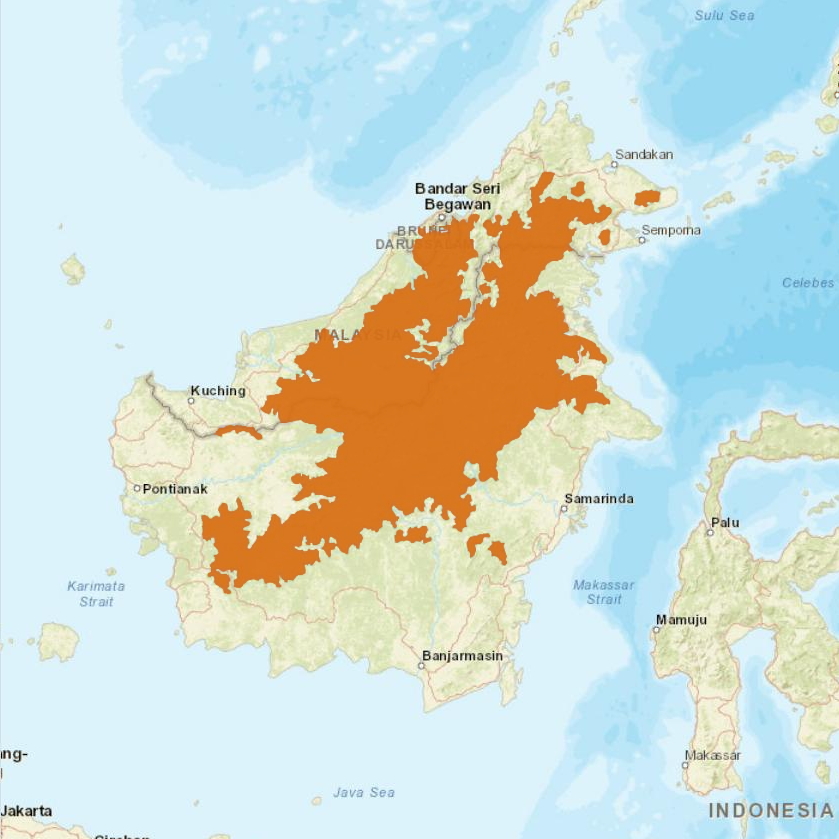
The Asian golden cat occupies a broad, though fragmented, range across mainland Southeast Asia in forested habitats. The bay cat is much more restricted in distribution and is endemic to the island of Borneo, where it occupies lowland and foothill forests; it is not known from other islands or the mainland. For regional context see resources on Borneo and its wildlife here.
Conservation and threats
Both species face threats linked to forest loss, habitat fragmentation and human disturbance. The bay cat's narrow island range and habitat specificity make it particularly vulnerable. Conservation concerns include loss of primary forest, hunting in some areas, and conversion of forest to agriculture. Ongoing field surveys, habitat protection and improved monitoring are commonly recommended conservation actions.
Notable facts and research needs
Although taxonomic placement has stabilized in recent treatments, debate and additional genetic analyses continue to refine relationships among small Asian felids. Important gaps remain in understanding their population sizes, ecology and movements. Increased camera-trap studies, habitat assessments and community-based conservation are priorities for ensuring the long-term survival of Catopuma species.
- Distinctive traits: reddish to golden coats, forest specialization.
- Key concerns: habitat loss, limited ranges, poor detection rates.
- Research links: Catopuma overview, small felids, marbled cat, genetic evidence, Borneo.
Related articles
Author
AlegsaOnline.com Catopuma: genus of small Asian forest cats Leandro Alegsa
URL: https://en.alegsaonline.com/art/17648