
Gorilla: overview, biology, behaviour and conservation
Gorillas are the largest living primates, a genus of African apes split into western and eastern species. This article covers their appearance, social life, taxonomy, habitat, and conservation status.
Overview
Gorilla is a genus of great apes native to tropical and subtropical forests in central Africa. Gorillas are the largest living primates and are known for their robust build, intelligence and complex social behaviour. Scientists recognise two species, the western gorilla (Gorilla gorilla) and the eastern gorilla (Gorilla beringei), each with distinct geographic ranges and subspecies.
Image gallery
10 Images




Physical characteristics
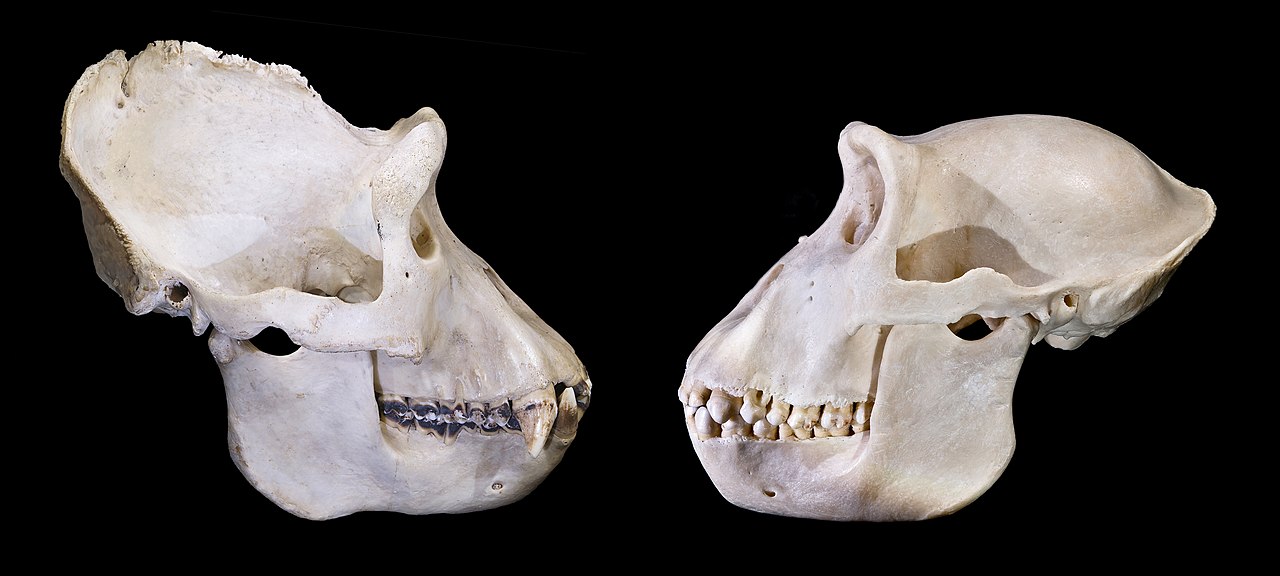
Gorillas have broad chests, long arms, short legs and no tails. Adult males develop a patch of silver hair on the back and are often called "silverbacks." Sexual dimorphism is marked: males are larger and heavier than females. Their hands and feet are adapted for knuckle-walking on the ground, though they can climb trees and use simple tools in some populations.
Taxonomy and subspecies
- Western gorilla (Gorilla gorilla)
- Western lowland gorilla
- Cross River gorilla
- Eastern gorilla (Gorilla beringei)
- Mountain gorilla
- Eastern lowland (Grauer's) gorilla
Behaviour and life history
Gorillas live in cohesive groups usually led by a dominant silverback that mediates conflicts and protects the group. Their diet is primarily plant-based—leaves, stems, fruit and occasionally insects—with regional variation. Reproduction is slow compared with many mammals; females give birth to a single infant after a long gestation and invest several years in each offspring. Communication includes vocalisations, facial expressions and gestures.
Evolution, importance and conservation
Gorillas share a close evolutionary relationship with other great apes and humans, having diverged from a common ancestor millions of years ago. They play important ecological roles as seed dispersers and indicators of forest health. All gorilla taxa face threats from habitat loss, poaching and disease; several are classified as endangered or critically endangered. Conservation efforts combine protected areas, anti-poaching measures, research and ecotourism to support populations and local communities.
Related articles
Author
AlegsaOnline.com Gorilla: overview, biology, behaviour and conservation Leandro Alegsa
URL: https://en.alegsaonline.com/art/39785