
Catfish (Siluriformes): biology, diversity, and human uses
Catfish are a diverse order of mainly freshwater fishes (Siluriformes) known for their barbels, varied sizes and ecologies, and importance in aquaculture, fisheries and aquaria worldwide.
Catfish belong to the order Siluriformes, a large group of primarily freshwater teleost fish with wide global distribution. There are about 40 recognized families and roughly three thousand described species, making catfish one of the most diverse orders of bony fishes. Members range in size, shape and lifestyle, from tiny parasitic forms to enormous river giants.
Image gallery
10 Images


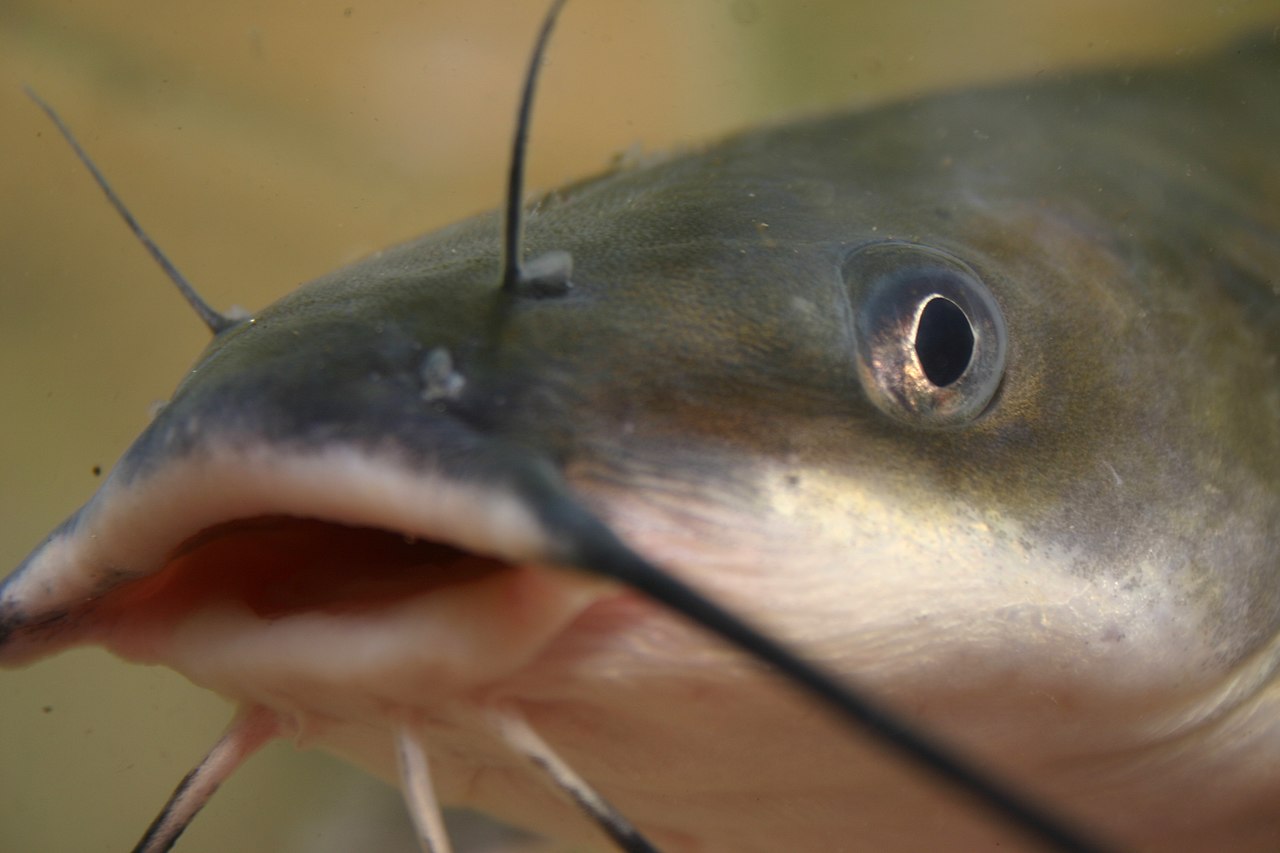


Distinctive features
Most catfish are identified by the presence of barbels — fleshy, whisker-like sensory organs — around the mouth that assist in locating food in murky water; the term "catfish" comes from these whisker-like structures, similar to a cat's whiskers that help sense the environment (cat analogy). Many species have bony plates or strong dorsal and pectoral fin spines; some species carry mild venom in glands associated with those spines. Body forms vary from elongated, eel-like types to deep-bodied, flattened bottom-dwellers.
Evolution and classification
Fossil and molecular studies indicate that catfish diversified early among teleost fishes and colonized freshwater systems on multiple continents. Taxonomists organize the order into numerous families that reflect differences in anatomy, ecology and life history. Adaptations such as air-breathing in some groups, specialized mouthparts in others, and parasitic lifestyles in a few illustrate the evolutionary breadth within the order.
Notable species highlight this range: the Mekong giant catfish (a large river species) is among the heaviest catfishes reported, while the wels catfish can reach great lengths. At the opposite extreme, tiny parasitic forms such as the candiru (candiru) are known for their unusual ecology. Many species are benthic detritivores or opportunistic predators.
Ecology and behavior
Catfish occupy diverse habitats from fast-flowing rivers and large lakes to murky swamps and coastal brackish zones. They are often nocturnal feeders with diets that include invertebrates, plant matter, carrion and other fishes. Sensory adaptations — an abundance of taste buds and tactile barbels — enable efficient foraging in low-visibility conditions. Reproductive strategies vary: some construct nests or guard eggs, others deposit adhesive eggs on substrates.
Human interactions and uses
Many catfish are important to humans. Several species are farmed intensively in fish farms for food because they grow rapidly and tolerate crowded conditions. Others are popular in home aquaria due to their hardiness or algae-eating habits; enthusiasts keep species sourced for aquaria in many sizes. Catfish also play roles in commercial and subsistence fisheries. Conservation concerns include overfishing, habitat loss and river alterations that affect large migratory species.
- Key traits: barbels, fin spines, benthic habits.
- Range: widespread in tropical and temperate freshwater systems.
- Human use: food, aquarium trade, ecological importance.
Because of their diversity and ecological roles, catfishes remain a focus for study in systematics, fisheries management and conservation biology, linking freshwater health with human livelihoods in many regions.
Related articles
Author
AlegsaOnline.com Catfish (Siluriformes): biology, diversity, and human uses Leandro Alegsa
URL: https://en.alegsaonline.com/art/17611
Sources
- animaldiversity.org : Ng, Heok Hee 2000. Malapterurus electricus. Animal Diversity Web