
Bonobo (Pan paniscus): biology, behaviour, and conservation
Bonobo (Pan paniscus) is a great ape of the genus Pan native to rainforests south of the Congo River. This article summarizes its appearance, social life, habitat, evolution and conservation status.
Overview
The bonobo (Pan paniscus) is one of two living species in the genus Pan, the other being the common chimpanzee. The name bonobo is often used instead of "pygmy" or "dwarf chimpanzee" and the two species are sometimes collectively called chimpanzees. Bonobos are generally smaller and more slender than Pan troglodytes, with behavioural and social traits that distinguish them from their close relatives.
Image gallery
10 Images




Appearance and key traits
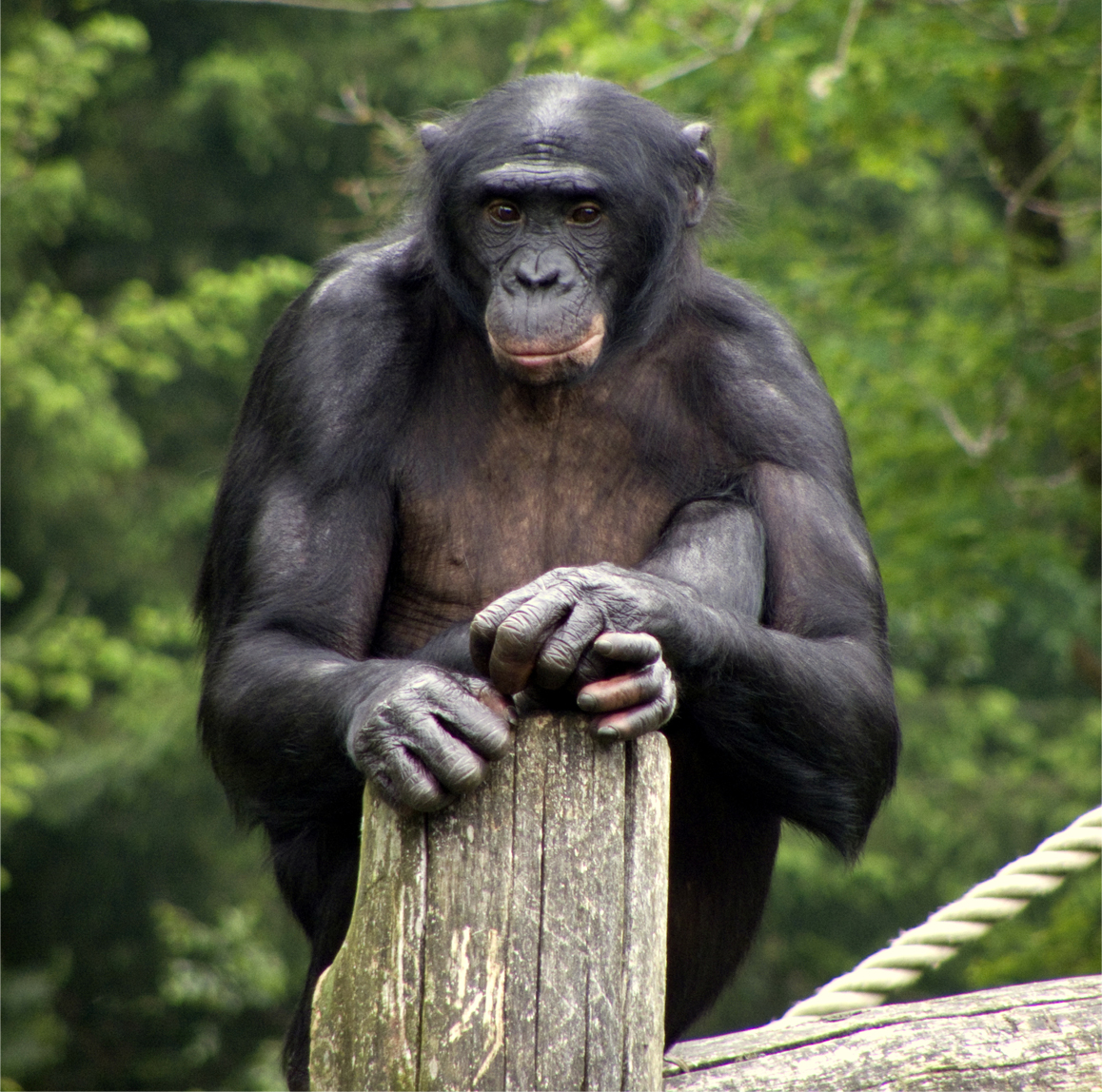
Bonobos have a relatively gracile build, dark faces with pink lips, and a parting of hair on the head that gives a distinct look. Their diet is largely frugivorous but opportunistically omnivorous, including fruit, leaves, flowers, and occasionally small animals. Tool use occurs in bonobos but is observed less frequently and in different contexts compared with common chimpanzees.
- Size and lifespan: smaller than common chimpanzees; live into their late 30s–40s in captivity.
- Diet: mainly fruit-based with supplementation from plants and animal protein.
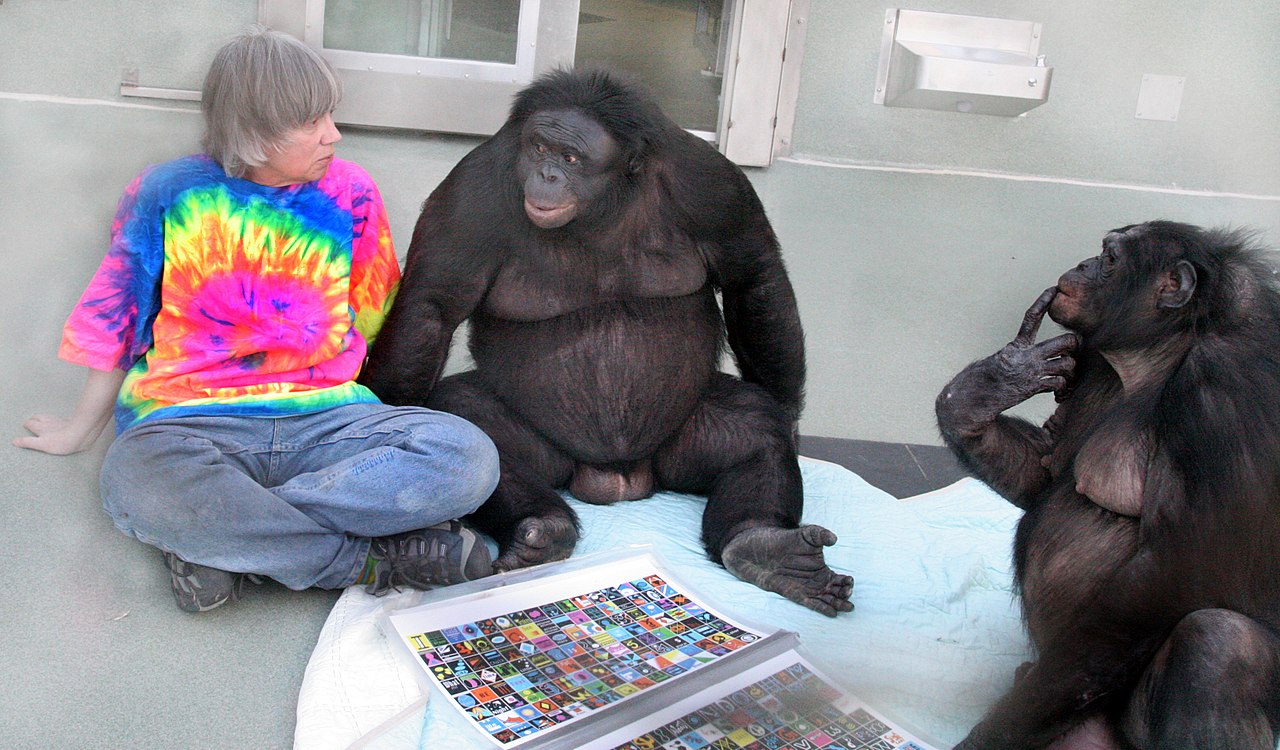
- Communication: varied vocalizations, facial expressions and gestures support complex social interactions.
Social structure and behaviour
Bonobo societies are notable for strong female bonds and a social organization often described as female-centered or matriarchal. Sexual behavior plays a prominent role beyond reproduction: it is used to reduce tension, form alliances, reconcile after conflict, and express affiliation. Compared with the common chimpanzee, bonobos show relatively lower levels of overt aggression, though they are not entirely free of competition or violent episodes.
Range, habitat and origins
Bonobos inhabit the lowland rainforests and swamp forests of central Africa, confined to an area south of the Congo River within the modern borders of the Democratic Republic of the Congo. Geographic separation by the river is thought to have contributed to their evolutionary divergence; the river's development roughly 1.5–2 million years ago is associated with the speciation event that separated bonobos from the common chimpanzee.
Conservation status and threats
The global bonobo population is limited and estimates place it in the tens of thousands. The species is classified as Endangered on the IUCN Red List. Primary threats include ongoing habitat destruction, fragmentation of forest, human population pressures, and illegal hunting. Political instability and limited enforcement in parts of their range complicate conservation efforts. Protected areas, habitat corridors, anti-poaching initiatives and community-based programs are among strategies used to help preserve bonobo populations.
Understanding bonobos is important both for primate biology and for conservation planning. Their distinct social systems and cognitive abilities make them a key species for studying the evolution of human social behavior and for informing measures to protect tropical forest ecosystems.
Questions and answers
Q: What is the scientific name of the bonobo?
A: The scientific name of the bonobo is Pan paniscus.
Q: Where does the bonobo live?
A: The bonobo lives in a 500,000 km2 (190,000 sq mi) area south of the Congo River in Central Africa.
Q: How does sex function among bonobos?
A: Sex functions among bonobos as a way to appeasement conflict, show affection, establish social status, create excitement and reduce stress. It occurs between all partner combinations and in various positions.
Q: How do male's rank in the social hierarchy get determined?
A: Male's rank in the social hierarchy are determined by their mother's rank.
Q: What caused speciation for the bonobo species?
A: Speciation for the bonobo species was likely caused by formation of Congo River 1.5-2 million years ago.
Q: How many individuals make up this species' population?
A: The population of this species ranges from 29,000 to 50,000 individuals.
Q: What is threatening this endangered species?
A: This endangered species is threatened by habitat destruction, human population growth and commercial poaching.
Related articles
Author
AlegsaOnline.com Bonobo (Pan paniscus): biology, behaviour, and conservation Leandro Alegsa
URL: https://en.alegsaonline.com/art/12931