
Canyon: formation, types, significance and notable examples
A canyon (or gorge) is a deep, narrow valley with steep sides, typically carved by flowing water. This article explains how canyons form, their varieties, uses, and notable examples on Earth and beyond.
Overview. A canyon, also called a gorge in some regions, is a deep cleft or valley cut into the Earth's surface, usually with steep or vertical walls. Canyons range from narrow slot canyons only a few meters across to vast landscapes that unfold over many kilometers. They are prominent features of arid and semi-arid regions but can occur wherever processes concentrate erosion along a confined channel.
Image gallery
10 Images





How canyons form
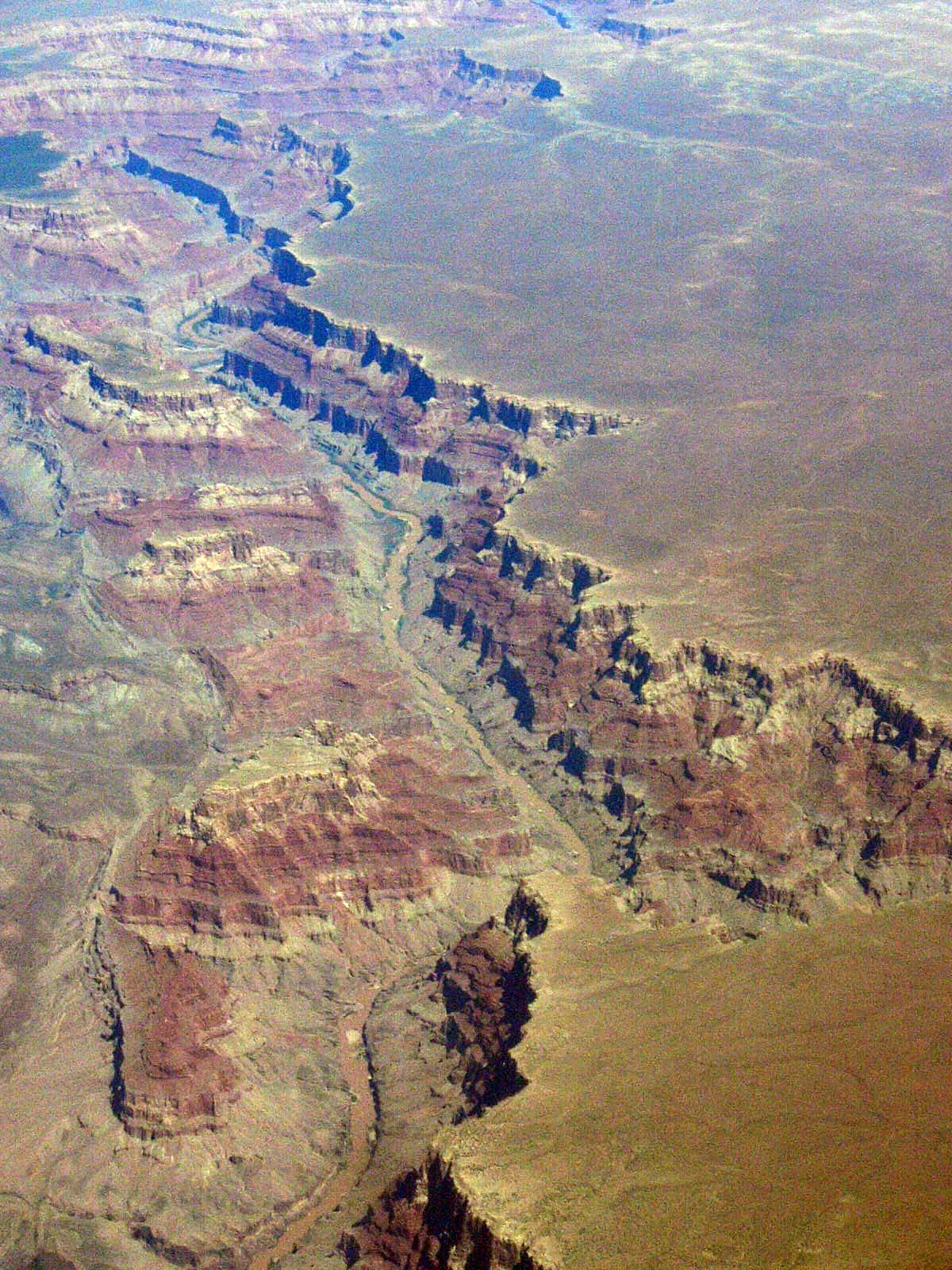
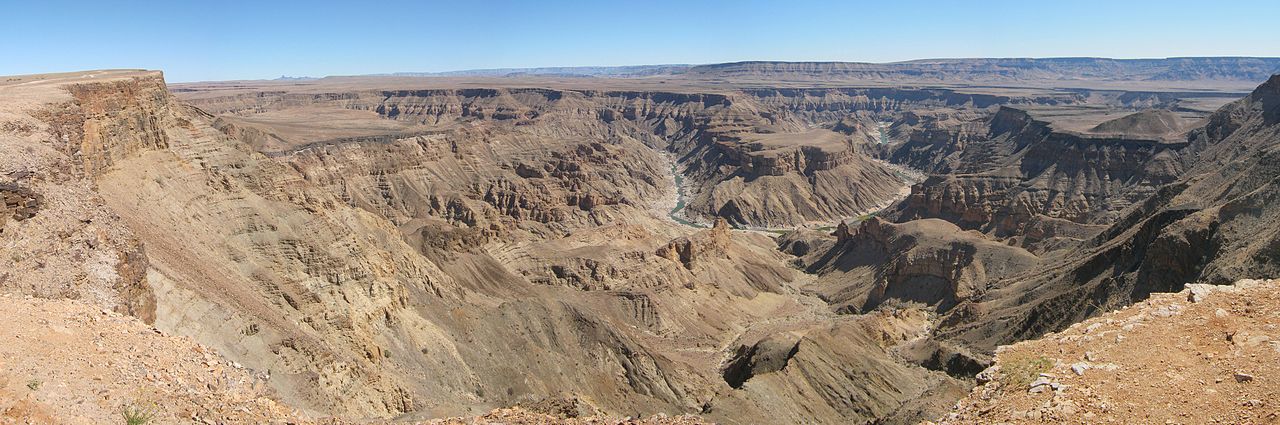
The most common process that creates a canyon is persistent erosion by flowing water. Over long periods, a river can remove rock and sediment from its bed, deepening and steepening the valley walls. This process is closely related to the geologic concept of erosion. Other mechanisms include tectonic uplift that raises a land surface relative to a river, renewed downcutting that deepens the channel, glacial carving in past ice ages, and, less commonly, collapse along fault lines or lava flows. Rapid events such as landslides or earthquakes can widen or modify existing canyons but rarely form large canyons by themselves.
Characteristics and types
- Slot canyons: very narrow with high walls, often formed in sandstone where flash floods concentrate energy.
- Box canyons: steep-sided and closed at one end, commonly found in plateau regions.
- River canyons: carved primarily by sustained river flow and sediment transport; many major canyons fall into this category.
Key features include exposed rock layers that reveal a region's geologic history, benches or terraces from former river levels, and steep cliffs that influence local climate and ecology within the canyon.
Examples, history and human significance
Some canyons are globally famous for their size and scenic value; for example the Grand Canyon is widely known for its layered rock and vast vistas. Canyons have long been important to human societies for shelter, spiritual practices, travel routes, and as sources of water and fertile floodplain soils at lower elevations. They are also prime locations for recreation — hiking, rafting and sightseeing — which contributes to regional economies but can pressure fragile environments.
Ecology, conservation and notable facts
Canyons create unique microclimates where shade, elevation and water availability support plants and animals distinct from surrounding landscapes. Protecting canyon ecosystems often involves controlling visitor impact, managing invasive species, and safeguarding water quality. Notable geological contrasts include river-cut canyons on Earth versus very large chasms on other planets, such as the Valles Marineris system on Mars, which illustrates how similar processes can shape diverse worlds. In all cases, canyons are records of long-term surface processes, revealing past climates, tectonics and the persistent power of running water.

Origin
Canyons are formed by the incision of a river in a plain, which digs itself into the plateau in a long erosion process. Prominent cliffs are formed because layers of harder rock are more resistant to hanging erosion (denudation) and are exposed, whereas underlying morphologically softer layers are cleared out more. The difference in hardness ultimately creates stepped slopes. Canyons are more common in dry areas because weathering has a lesser effect there than in wetter areas, so the surrounding uplands are preserved and the canyon walls are not flattened. Canyons often form from resistant sandstone, limestone, or granite. Particularly narrow canyons are called slot canyons, which roughly corresponds to the German term Klamm, an example being Antelope Canyon in northern Arizona.
There are also submarine canyons, typically at river mouths as a submarine extension of the river course.
Designations
Some valleys called canyon or cañon in the local language do not meet this geological definition, for example Bryce Canyon.
Conversely, many geological cañons do not have canyon or cañón in their name, but different words for gorge in the various national languages. Even in the USA many are called "gorges" or "ravines".
Related articles
Author
AlegsaOnline.com Canyon: formation, types, significance and notable examples Leandro Alegsa
URL: https://en.alegsaonline.com/art/16680
Sources
- education.nationalgeographic.com : Canyon