
Cerulean: hue, history, and uses of the sky-blue spectrum
Cerulean denotes a family of blue shades evoking the sky or sea. This article explains its etymology, color variations, pigment history, artistic and cultural uses, and distinctions from similar blues.
Cerulean refers to a group of blue tones that range from pale sky-blue and azure to vivid cyan and deeper teal-inflected blues. People use the term to describe colors that recall clear daytime skies or calm coastal waters; the precise appearance can vary in art, design, and industry. The word itself and its cultural associations are important for artists, manufacturers, and anyone working with color.
Image gallery
6 Images
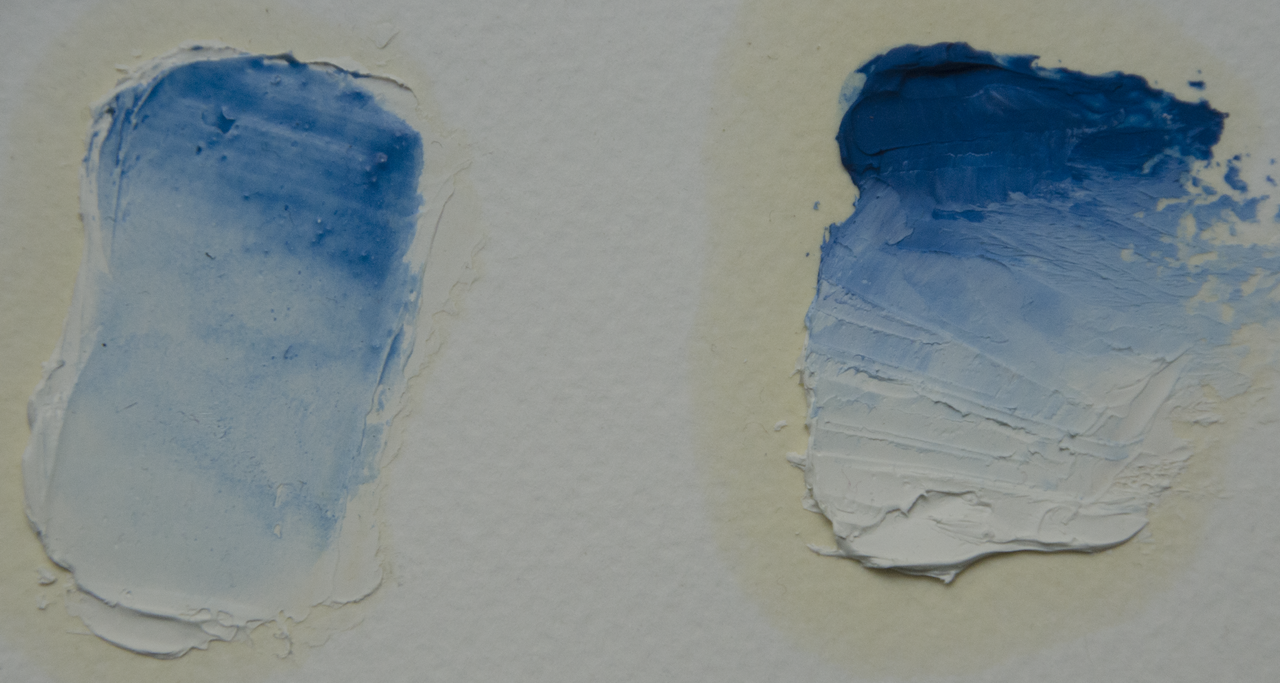


Origins and name
The name comes from the Latin word caeruleum, a term historically associated with the sky and heavens. English records show the use of "cerulean" as a color name at least since 1590. Writers and poets adopted the adjective to evoke atmospheric blue, and the term later passed into technical and commercial vocabularies where precise naming of pigments and dyes became useful.
Shades and characteristics
- Sky-blue: a pale, light tone reminiscent of mid-day sky.
- Azure: a somewhat brighter, slightly greener blue.
- Bright cerulean: saturated and vivid, often used in digital palettes.
- Deep cerulean/cyan: richer, leaning toward cyan or teal.
These variants appear in pigments, paints, textiles, and digital color systems. When selecting a cerulean tint, consider hue, saturation, and lightness: small changes create noticeably different impressions, from serene and airy to bold and tropical.
Pigment history and technology
Artists have tried for centuries to reproduce sky-like blues. Early blue pigments included mineral and copper-based mixtures that sometimes produced unstable or greenish results. Historical recipes mixed copper compounds and cobalt oxides to approach a sky-blue effect, but these were often imperfect. In the 19th century a stable synthetic pigment marketed as "cerulean blue" became widely available and was prized for its permanence and clean bluish tone. Modern cerulean formulations are used in oil, acrylic, and watercolor paints as well as in industrial coatings.
Uses and cultural importance
Cerulean appears across many fields: fine art (to depict sky and water), fashion and interior design (for a fresh, calming accent), branding and graphic design (for clarity and approachability), and national or regional symbolism where sky or sea themes are relevant. Designers working in digital media choose cerulean-like colors for user interfaces because they read well on screens and convey openness and trust. The name also appears in biology and culture—for example, some birds are commonly referred to with "cerulean" in their names because of their blue plumage.
Distinctions and notable facts
Cerulean overlaps with related blues such as cobalt blue, ultramarine, and cyan but is generally distinguished by its sky-like quality and mid-range brightness. In practical color work it is useful to compare swatches, as what one manufacturer labels "cerulean" may differ from another's. For additional technical or historical references, see general color resources and pigment histories: color overview, cyan and related hues, and discussions of historical pigments at pigment references. Academic and conservation literature can clarify aging and permanence issues for specific cerulean paints (metal oxides, cobalt compounds, oxide mixtures).
For broader cultural context and examples—including modern art palettes, textile dyeing, and species named for the color—consult curated resources and museum or natural history collections: color in culture and natural examples.
Questions and answers
Q: What is cerulean?
A: Cerulean is a range of colours that includes teal-blue, sky-blue, bright blue, or azure to deep cyan.
Q: Where does the word cerulean come from?
A: The word cerulean comes from the Latin word caeruleum, which means "sky" or "heavens."
Q: What was the original meaning of caeruleus in classical times?
A: In classical times, caeruleus was used to describe blue pigments, particularly mixtures of copper and cobaltous oxides, called genuine cerulean.
Q: Why were early attempts at creating sky blue colours often unsatisfactory?
A: Early attempts to create sky blue colours were often less than satisfactory due to greenish hues and lack of permanence.
Q: When did people start using the artificial pigment cerulean blue?
A: When the artificial pigment cerulean blue was invented people started using this instead.
Q: When was the first recorded use of cerulean as a color name in English?
A: The first recorded use of cerulean as a color name in English was in 1590.
Q: How did the term cerulean come to be associated with shades of blue?
A: The term cerulean came to be associated with shades of blue because caeruleum, the Latin word from which it originates, was used in classical times to describe blue pigments.
Related articles
Author
AlegsaOnline.com Cerulean: hue, history, and uses of the sky-blue spectrum Leandro Alegsa
URL: https://en.alegsaonline.com/art/18228
Sources
- firstblueangel.com : 2004 Photo of Navy Blue Angels aerobatic team