
Carnelian: a reddish-brown variety of chalcedony used as a gemstone
Carnelian is a translucent to opaque reddish-brown chalcedony colored by iron oxides, used since prehistory in beads, seals and jewelry. It is closely related to sard and is often heat-treated or dyed.
Carnelian (also spelled cornelian) is a reddish-brown to orange-brown variety of chalcedony, a microcrystalline form of silica (quartz). Its warm color comes from iron oxide impurities dispersed through the stone. Carnelian ranges from translucent to nearly opaque and is prized for its even color and ability to take a high polish. A closely related, typically darker and tougher material is known as sard; the two names have long been used interchangeably in jewelry and historical texts.
Image gallery
7 Images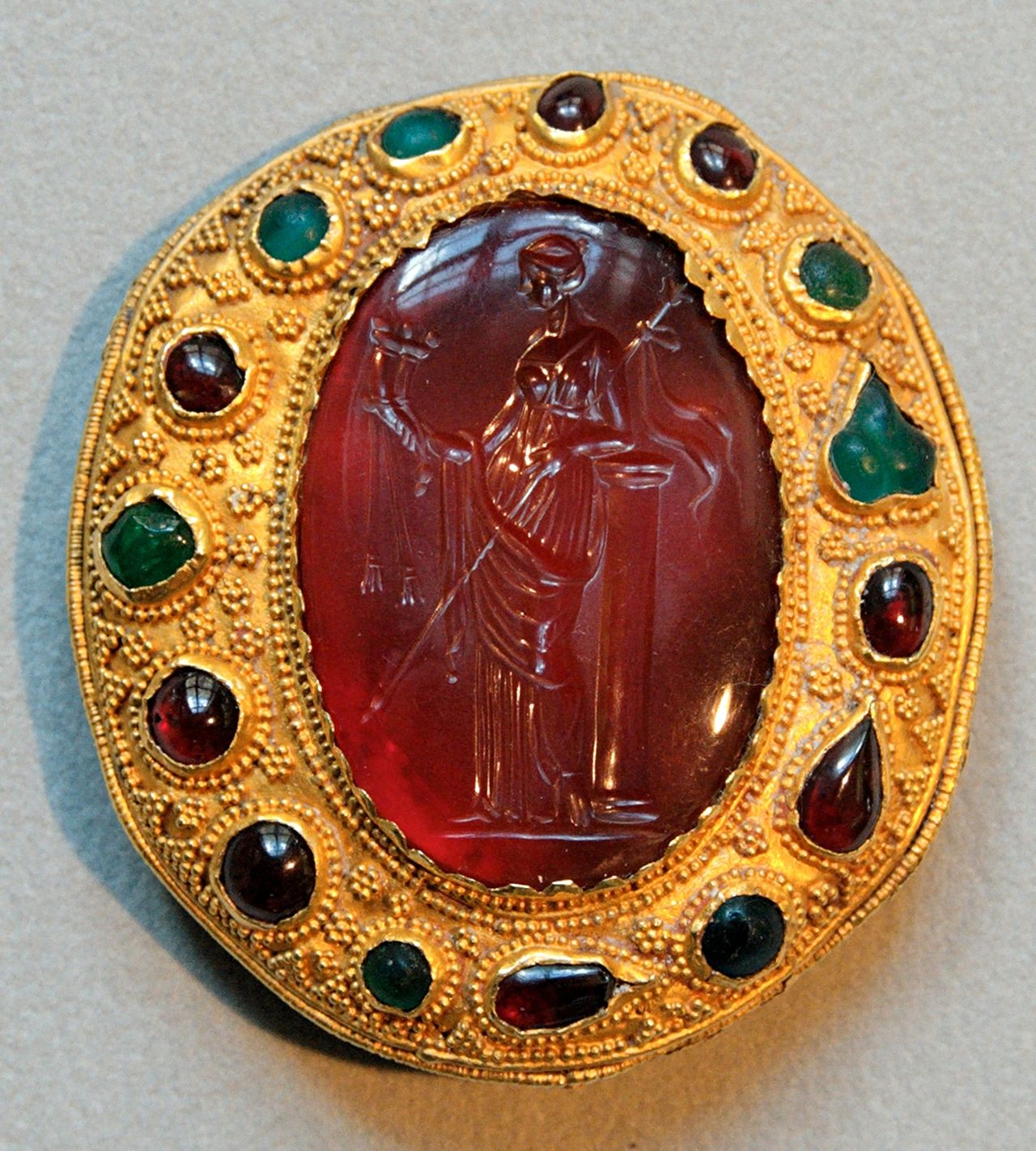


Physical characteristics
Carnelian is durable and wearable, with a typical hardness around 6.5–7 on the Mohs scale. Common properties include a waxy to vitreous luster and fine-grained texture because the mineral consists of tightly intergrown silica fibers. It is usually cut en cabochon, carved into beads, or engraved for intaglios and cameos. Heating or dyeing can intensify or standardize its color; these treatments are traditional and still used in the gem trade.
History and cultural significance
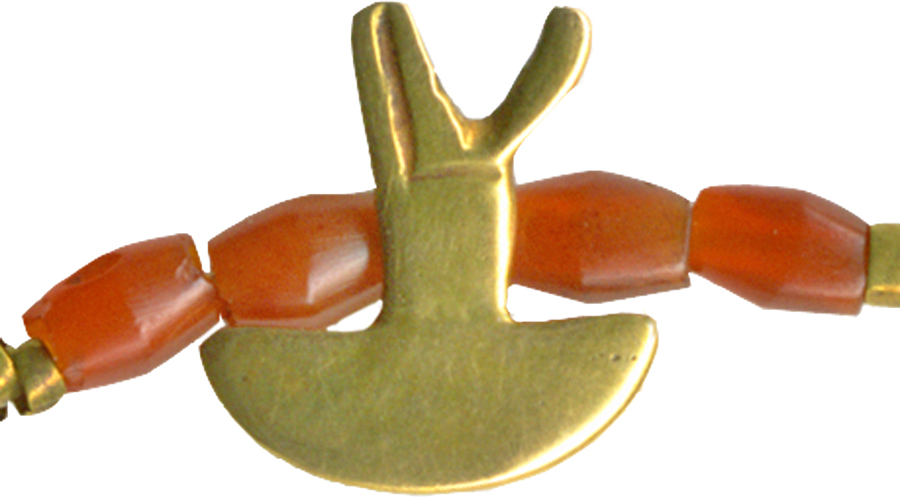
Used since prehistoric times, carnelian appears in archaeological contexts from many regions, including ancient Egypt, Mesopotamia, the Indus Valley, Greece and Rome. Craftspeople fashioned it into beads, amulets, seal stones and signet rings. In Egypt it was often associated with protection and vitality; in the Roman and Byzantine worlds it was a favored material for engraved gems and seals. Its long use in personal adornment and ritual objects makes it an important material for the study of trade and craft technologies.
Common uses and modern trade
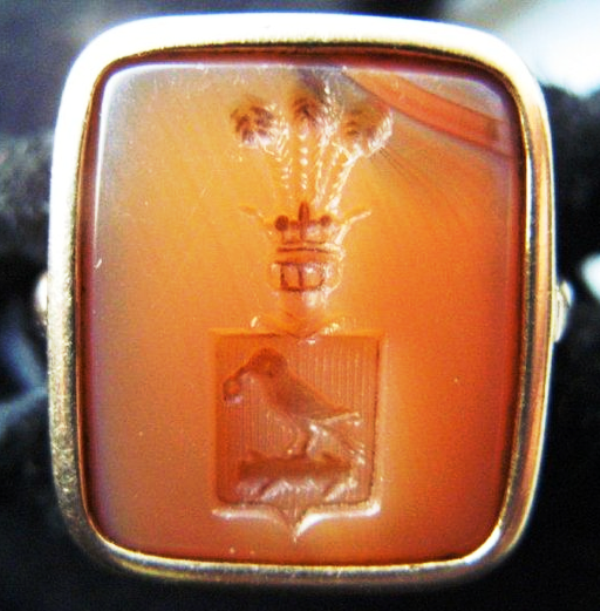
Today carnelian remains a popular semi-precious gemstone for beads, cabochons, carvings and decorative objects. It is valued for consistent warm tones that complement many metals in jewelry. Commercial suppliers may sell natural, heat-enhanced or dyed material; buyers should expect a range of saturation and translucency. Because it takes a good polish and holds detailed carving, carnelian is often used for intaglios and signets reproduced for collectors and artisans.
Distinctions, treatments and imitations
Historically, the darker and slightly harder sard was distinguished from lighter carnelian, but the terms overlap and are often interchangeable in markets and literature. Treatments such as controlled heating or dyeing are common to improve or stabilize color. Simulated or imitation materials—dyed agates, glass beads and plastics—exist, so gemological tests or reputable sellers are advisable for high-value pieces. For technical details on composition and identification see further information.
Care and collecting
- Carnelian is suitable for everyday wear but avoid strong acids and prolonged exposure to heat or bright light that might alter color.
- Clean with mild soap and a soft brush; ultrasonic cleaners are generally safe but check for fractures or treatments first.
- Collectors value natural, evenly colored pieces and historically important artifacts; provenance and condition affect value more than name distinctions like "sard" or "carnelian."
Carnelian's long continuity of use, warm appearance and ease of carving secure its place among widely recognized semi-precious stones in both archaeological and contemporary jewelry contexts.
Related articles
Author
AlegsaOnline.com Carnelian: a reddish-brown variety of chalcedony used as a gemstone Leandro Alegsa
URL: https://en.alegsaonline.com/art/17155