
Caving (Spelunking): Exploring Underground Landscapes
Caving, or spelunking, is the recreational and scientific exploration of natural caves. This article covers equipment, techniques, hazards, history, scientific value, and distinctions like spelunking vs speleology.
Caving, commonly called spelunking in North America, is the activity of entering, traveling through and studying natural cave systems. It ranges from short visits to illuminated show caves to extended expeditions into complex, unmapped passages. People who take part are generally called cavers or spelunkers; those who study caves scientifically are referred to as speleologists.
Image gallery
6 Images

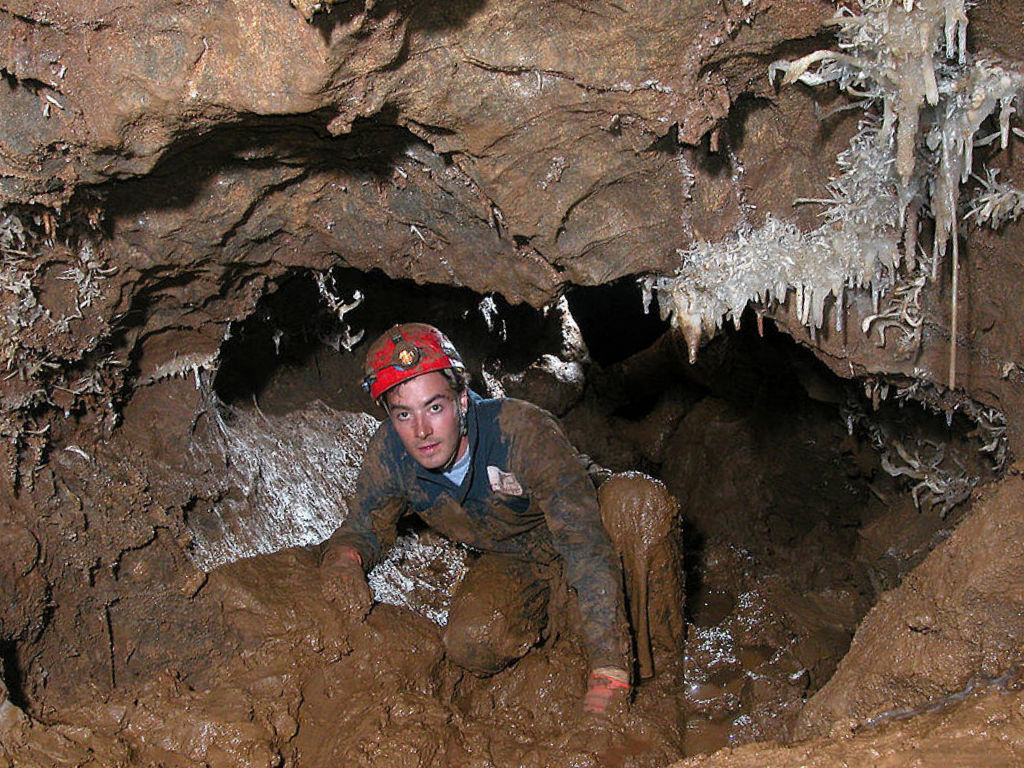


Characteristics and gear
Caving often requires specialized equipment and techniques. Essential items include dependable helmets with mounted lights, several independent light sources, sturdy boots, and protective clothing for cold, wet environments. Vertical caves demand ropes, harnesses, descenders and ascenders. Other common tools are waterproof containers, navigation aids, and first aid kits.
Techniques, mapping, and conservation
Cavers use ropework, crawling, chimneying and SRT (single-rope technique) to negotiate passages. Many expeditions perform cave surveying and mapping to document passages and chambers, contributing to geology and hydrology studies. Responsible caving follows conservation principles: avoid disturbing cave formations and wildlife, pack out waste, and limit impact on fragile ecosystems.
History and scientific importance
Exploration of caves has ancient roots in human ritual and shelter, but modern recreational and scientific caving developed in the 19th and 20th centuries with improved lighting and climbing gear. Today caving supports research in geology, paleontology, archaeology, climatology, and biology—caves preserve fossils, archaeological materials and climate records in speleothems.
Risks, safety, and training
Caves pose hazards including flooding, hypothermia, falls, rockfall and disorientation. Proper training, planning, and group protocols reduce risk. Many regions have clubs and rescue organizations that offer instruction and coordinate responses. For safety resources and local groups see community caving resources and general guidance at caving safety pages.
Distinctions and uses
Recreational caving is distinct from guided show cave tourism and from speleology, the scientific study of caves. Caving serves multiple purposes: sport and adventure, scientific investigation, cultural and archaeological study, and search-and-rescue training. As an activity it combines physical skill, careful planning and respect for a unique and fragile environment.
Related articles
Author
AlegsaOnline.com Caving (Spelunking): Exploring Underground Landscapes Leandro Alegsa
URL: https://en.alegsaonline.com/art/17743