
Bryce Canyon National Park: hoodoos, amphitheaters, and high‑plateau landscapes
Bryce Canyon National Park in southwestern Utah is famed for its amphitheaters of hoodoos — sculpted rock spires at 8,000–9,000 ft. geology, trails, history, and dark‑sky viewing make it a distinctive high‑desert park.
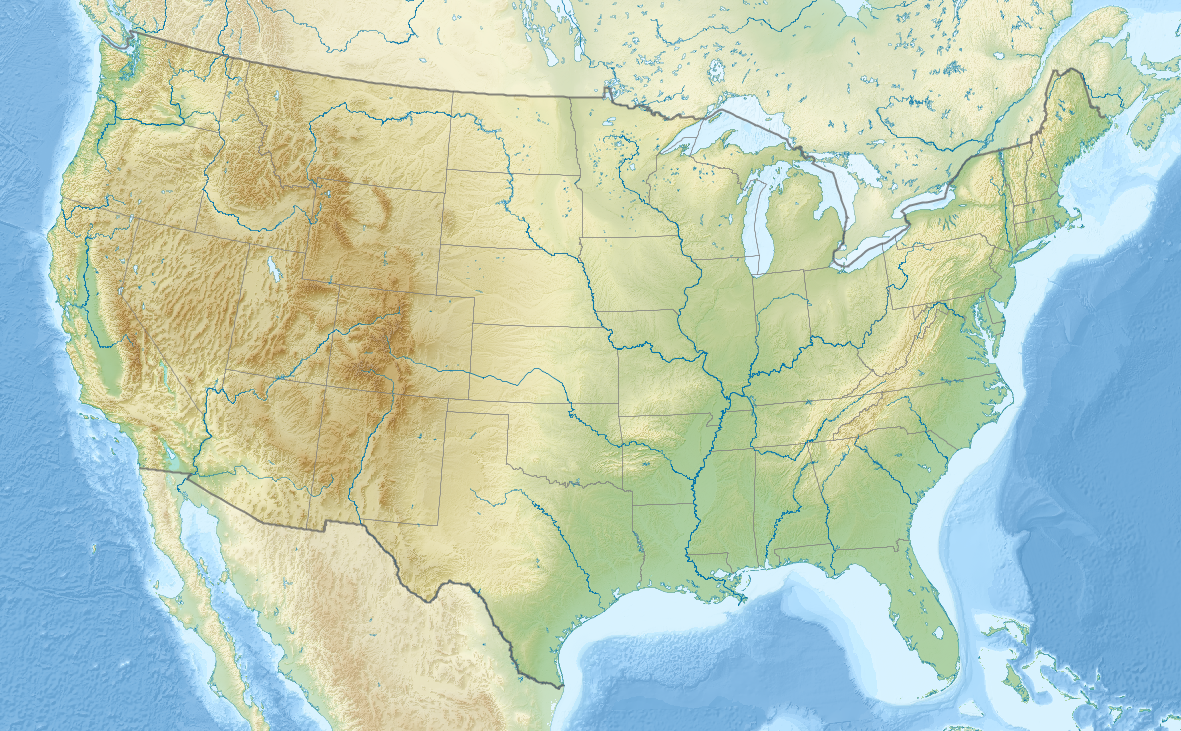
Overview: Bryce Canyon National Park occupies a high section of the Paunsaugunt Plateau in southwestern Utah. Rather than a single continuous canyon, the park preserves a series of large natural amphitheaters carved into sedimentary rock along the plateau rim. Visitors come for the vast array of hoodoos — irregular columns of weathered rock — and for expansive panoramas that combine brilliant reds, oranges and whites across layered cliffs. For authoritative visitor information see the official park site and regional resources such as Utah tourism pages.
Image gallery
10 Images



Geology and landscape
The hoodoos in Bryce formed from the uplifted Claron Formation and other sedimentary deposits that settled in ancient lakes. Alternating layers of limestone, siltstone and mudstone erode at different rates, producing the tall, thin spires and broken ridgelines. Erosion here is dominated by frost action: water seeps into joints, freezes and expands, gradually prying rock apart. Rain and sheetwash then remove loosened fragments and widen amphitheater walls. For more technical descriptions consult resources on park geology and studies of hoodoos and badland formation.
Climate, ecology, and elevations
The park rim generally ranges from about 8,000 to 9,000 feet, producing cooler temperatures and distinct seasons compared with lower-elevation deserts nearby. Snow is common in winter and spring, which enhances the freeze–thaw cycles that drive erosion. Plant communities include pinyon‑juniper woodlands, ponderosa pine, and alpine shrubs adapted to thin soils and variable precipitation. Learn about weather and natural history at climate and weather resources and interpretive pages on park ecology.
Human history and park development
The amphitheaters were known to Indigenous peoples long before Euro-American settlement. The park’s name honors Ebenezer Bryce, an early Mormon settler associated with the area. It gained protected status in the early 20th century and was later designated a national park to preserve its unique scenery and science value. Historical context and management history are available via park history and archival summaries at heritage resources.
Visiting and recreation
Popular activities include rim‑side viewpoints, day hiking into amphitheaters, photography, and night‑sky programs. Well-known routes include:
- Rim Trail — easy sections with panoramic overlooks;
- Navajo Loop — a classic descent among tall hoodoos;
- Queen's Garden — one of the park’s more intimate formations;
- Fairyland Loop — a longer trail through varied scenery.
Trail maps, permits and seasonal advisories are posted by park services and guide providers; see trail information and visitor planning pages before you go.
Conservation and notable facts
Bryce Canyon is prized for its dense concentration of hoodoos and for exceptionally dark night skies that make it a popular destination for astronomy and astrophotography. Ongoing conservation challenges include managing visitor impact on fragile soils, monitoring accelerated erosion under changing climate conditions, and protecting native plant and animal communities. For stewardship initiatives and ways to support preservation, consult official park conservation pages at resource and stewardship links and related conservation partners at park partners.
Questions and answers
Q: Where is Bryce Canyon National Park located?
A: Bryce Canyon National Park is located in southwestern Utah.
Q: What is the major feature of Bryce Canyon National Park?
A: The major feature of Bryce Canyon National Park is Bryce Canyon.
Q: Can Bryce Canyon be considered a canyon?
A: No, Bryce Canyon is not a canyon but a collection of giant natural amphitheaters along the eastern side of the Paunsaugunt Plateau.
Q: What are hoodoos?
A: Hoodoos are badlands formed by frost weathering and stream erosion of the river and lake bed sedimentary rocks.
Q: What are the colors of the rocks in Bryce Canyon National Park?
A: The colors of the rocks in Bryce Canyon National Park are red, orange, and white.
Q: What is the height of the rim at Bryce Canyon?
A: The rim at Bryce Canyon varies from 8,000 to 9,000 feet (2,400 to 2,700 metres).
Q: Which National Park is higher, Bryce Canyon or Zion National Park?
A: Bryce Canyon is much higher than nearby Zion National Park.
Tags
Related articles
Author
AlegsaOnline.com Bryce Canyon National Park: hoodoos, amphitheaters, and high‑plateau landscapes Leandro Alegsa
URL: https://en.alegsaonline.com/art/14950
Sources
- nature.nps.gov : "Listing of acreage as of December 31, 2011"
- nature.nps.gov : "Five Year Annual Recreation Visits Report"