
Cliff: steep natural rock faces, formation, types and notable examples
A cliff is a steep or vertical rock face formed by erosion, faulting or mass movement; common on coasts, mountains and river valleys and composed of resistant rock strata.
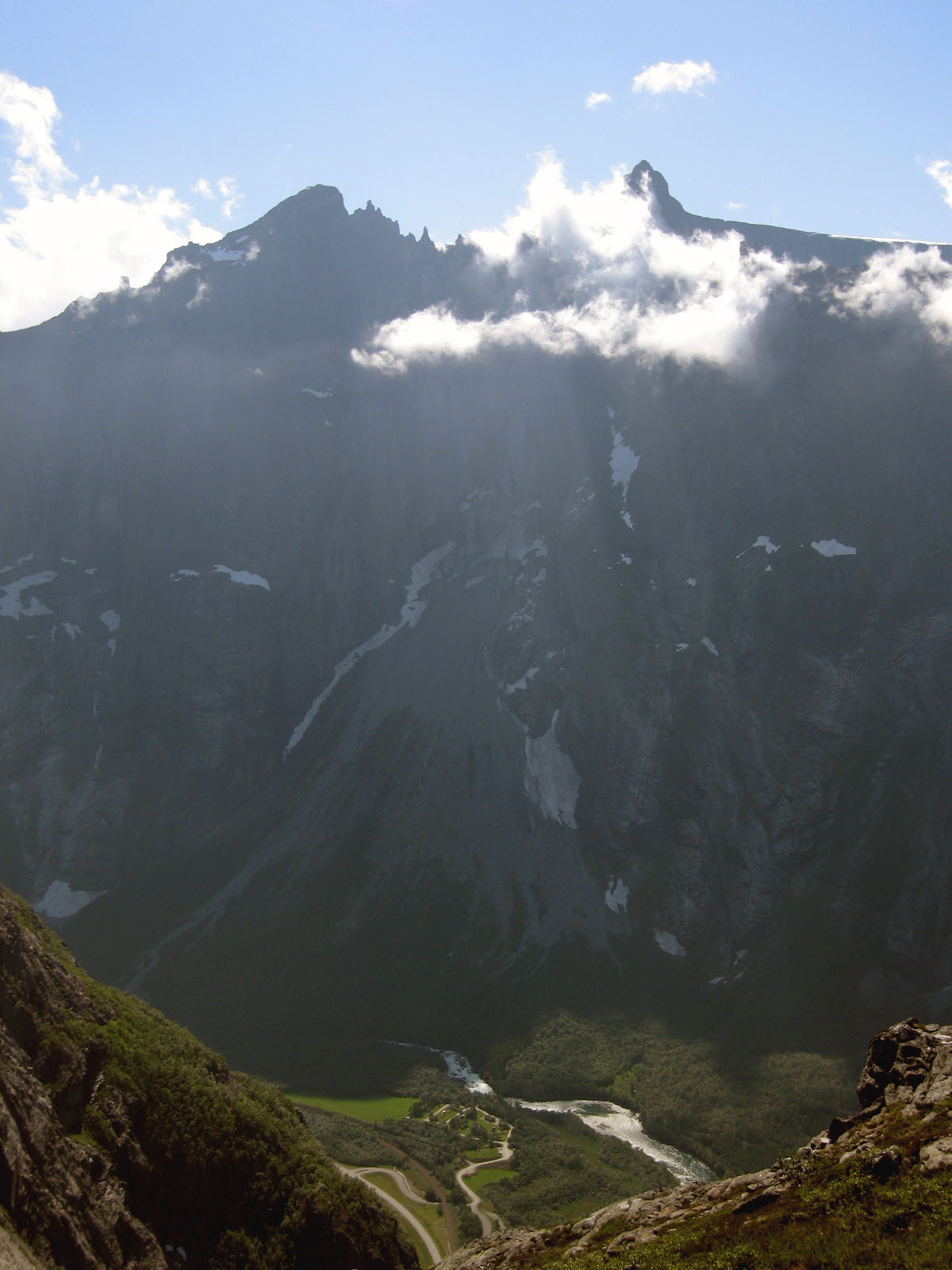
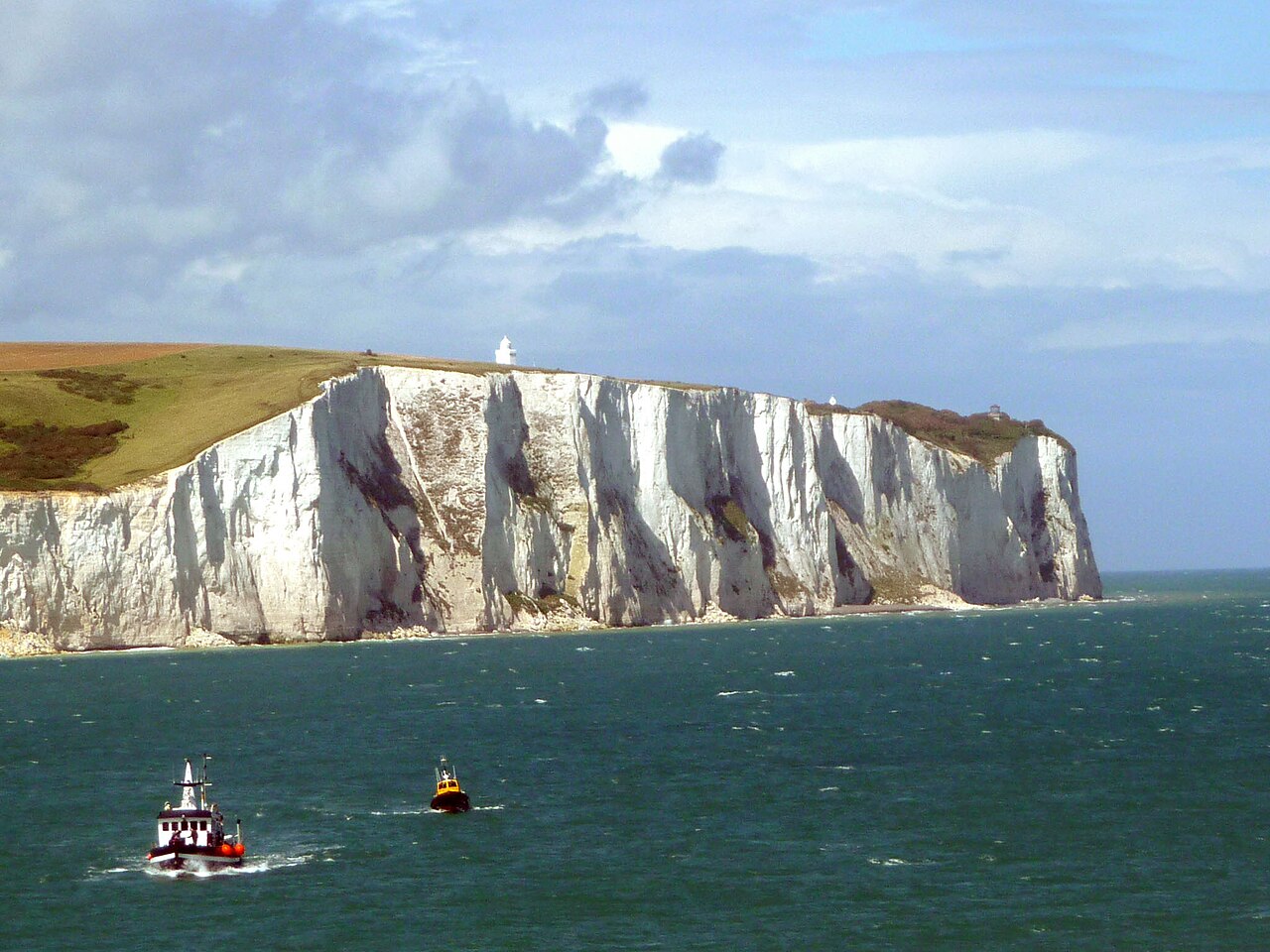
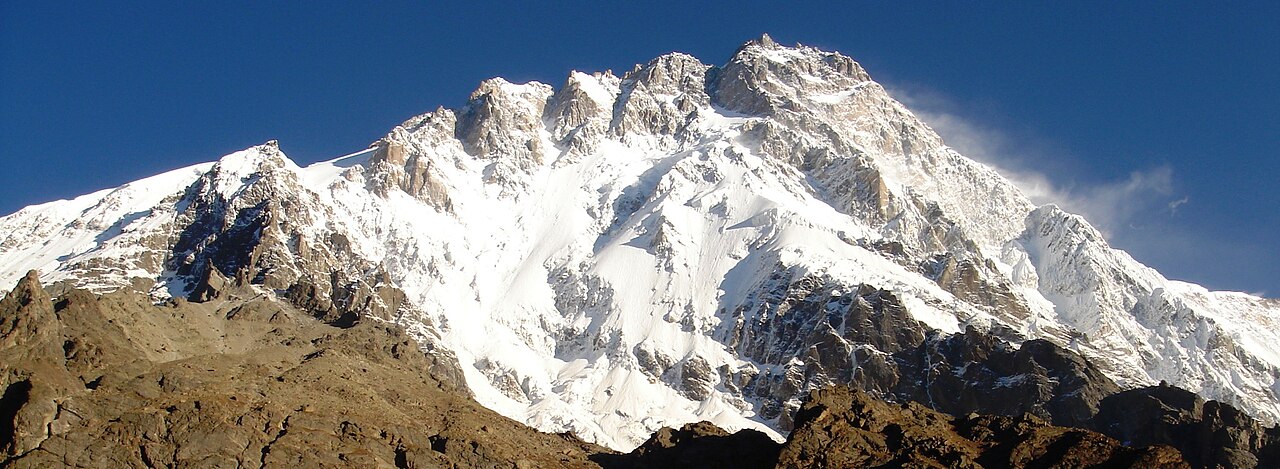
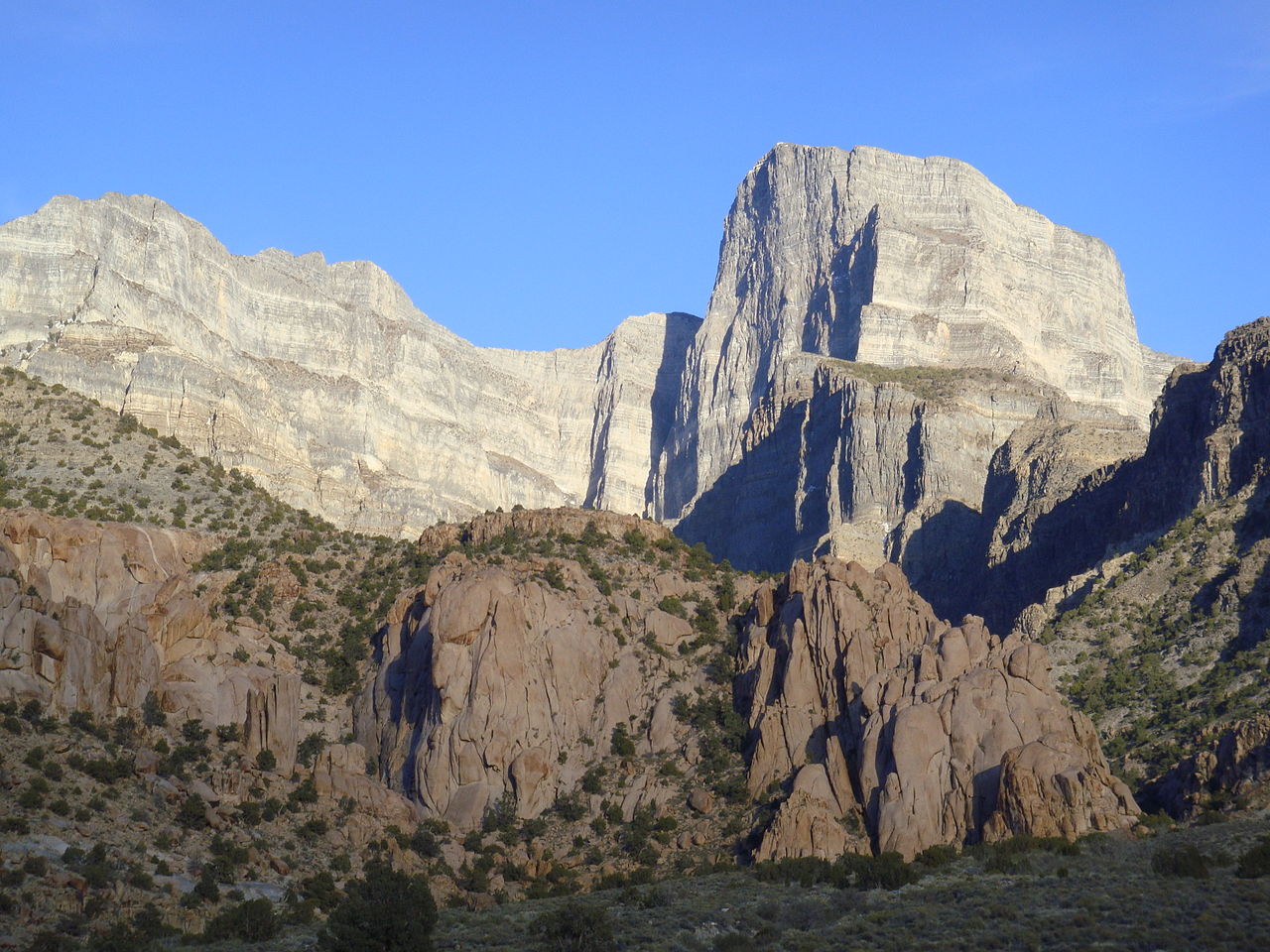
A cliff is a prominent, near-vertical or vertical and often towering steep natural wall of rock. Cliffs appear where harder rock layers resist removal while surrounding material wears away. They occur in many landscapes, including coasts, mountainous terrain and along rivers, and can form dramatic landforms such as headlands, escarpments and sea stacks.
Image gallery
10 Images




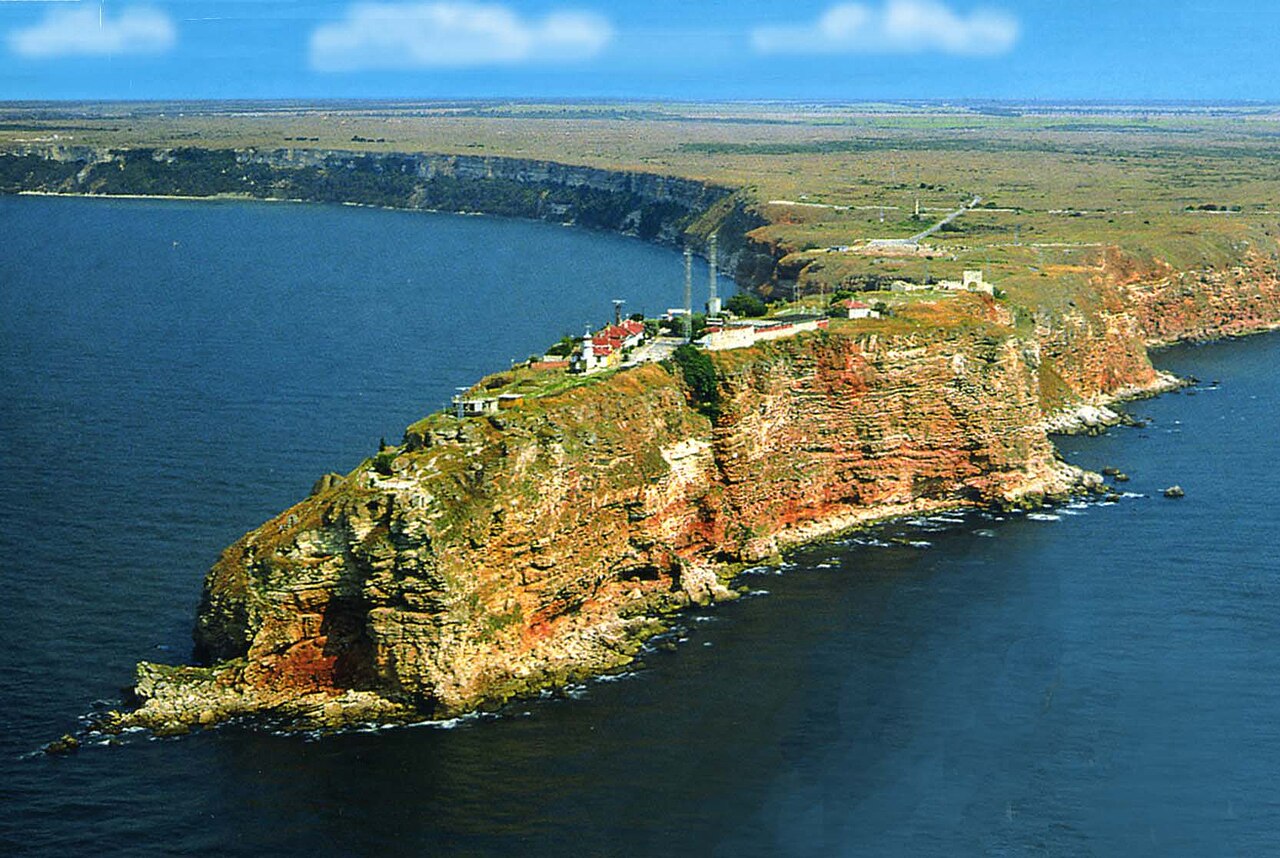
Formation and processes
Cliffs develop through a combination of geological forces and surface processes. Long-term erosion and weathering remove softer rock and soil, leaving resistant beds as steep faces. Sudden movements, such as faulting or landslide, can create or steepen a cliff quickly. Marine cliffs are often undercut by wave action, while river cliffs form on the outer bends of meanders.
Composition and types
Certain rock types commonly produce cliffs because of their hardness, jointing and bedding. Sedimentary examples include sedimentary rocks such as sandstone, limestone, chalk and dolomite. Resistant igneous rocks like igneous rocks including granite and basalt also form steep faces. Layering, fractures and the presence of weaker seams influence how cliffs break and retreat.
Distribution, landforms and hazards
Cliffs are fundamental to many landscapes and to hazards management. Coastal cliffs create sea cliffs, wave-cut platforms and sea caves; river cliffs shape floodplain dynamics; and highland cliffs form escarpments that control drainage and vegetation. They can generate waterfalls where rivers drop over resistant beds. Cliffs pose rockfall and landslide risks and require monitoring where people live or travel nearby.
Uses, recreation and conservation
Cliffs attract tourism, scientific study and recreational activities such as climbing and birdwatching. They provide nesting sites for seabirds and host distinct plant communities on their ledges. Management balances access with safety and conservation, since cliff ecosystems and archaeological sites can be fragile.
Notable examples illustrate scale and variety: coastal chalk and limestone cliffs in many countries, basalt escarpments in volcanic regions, and even extraterrestrial cliffs — the moon Miranda hosts the enormous scarp Verona Rupes on Miranda. Mapping conventions distinguish features: for instance, the Ordnance Survey draws cliffs and outcrops differently on maps. Each cliff reflects a local history of rock type, climate and the forces that shaped the landscape.
Questions and answers
Q: What is a cliff?
A: A cliff is a vertical or very steep natural wall of rock.
Q: Where are cliffs commonly found?
A: Cliffs are common on coasts, in mountainous areas, escarpments and along rivers.
Q: What types of rocks form cliffs?
A: Sedimentary rocks such as sandstone, limestone, chalk, and dolomite most likely form cliffs. Igneous rocks such as granite and basalt also often form cliffs.
Q: What is an escarpment?
A: An escarpment (or scarp) is a type of cliff, formed by the movement of a geologic fault or a landslide.
Q: How do cliffs create geographical features?
A: Cliffs are known for forming major geographical features such as waterfalls.
Q: What is the tallest cliff in the solar system?
A: The tallest cliff in the solar system may be Verona Rupes, an approximately 20 km (12 mile) high cliff on Miranda, a moon of the planet Uranus.
Q: How does the Ordnance Survey distinguish between cliffs and outcrops?
A: The Ordnance Survey distinguishes between cliffs (continuous line along the top edge with projections down the face) and outcrops (continuous lines along lower edge).
Related articles
Author
AlegsaOnline.com Cliff: steep natural rock faces, formation, types and notable examples Leandro Alegsa
URL: https://en.alegsaonline.com/art/20979
Sources
- guinnessworldrecords.com : "Natural world: the solar system: highest cliffs"
- summitpost.org : "Polar Sun Spire"
- bigwall.dk : "Climbing in Tasermiut"
- americanalpineclub.org : "The American Alpine Journal 1986"