
Cave: Natural Underground Voids, Formation, Life and Human Interaction
An overview of caves: how they form, common types and features, biological communities, human use and exploration, and conservation considerations.
A cave is a naturally occurring void or hollow in the ground that is large enough for a human to enter. Caves range from small fissures to extensive underground networks with corridors and chambers. Their internal shapes reflect the processes that created them and the materials they pass through; many caves host characteristic mineral formations, distinct ecosystems, and archaeological evidence of past human use.
Image gallery
10 Images




How caves form
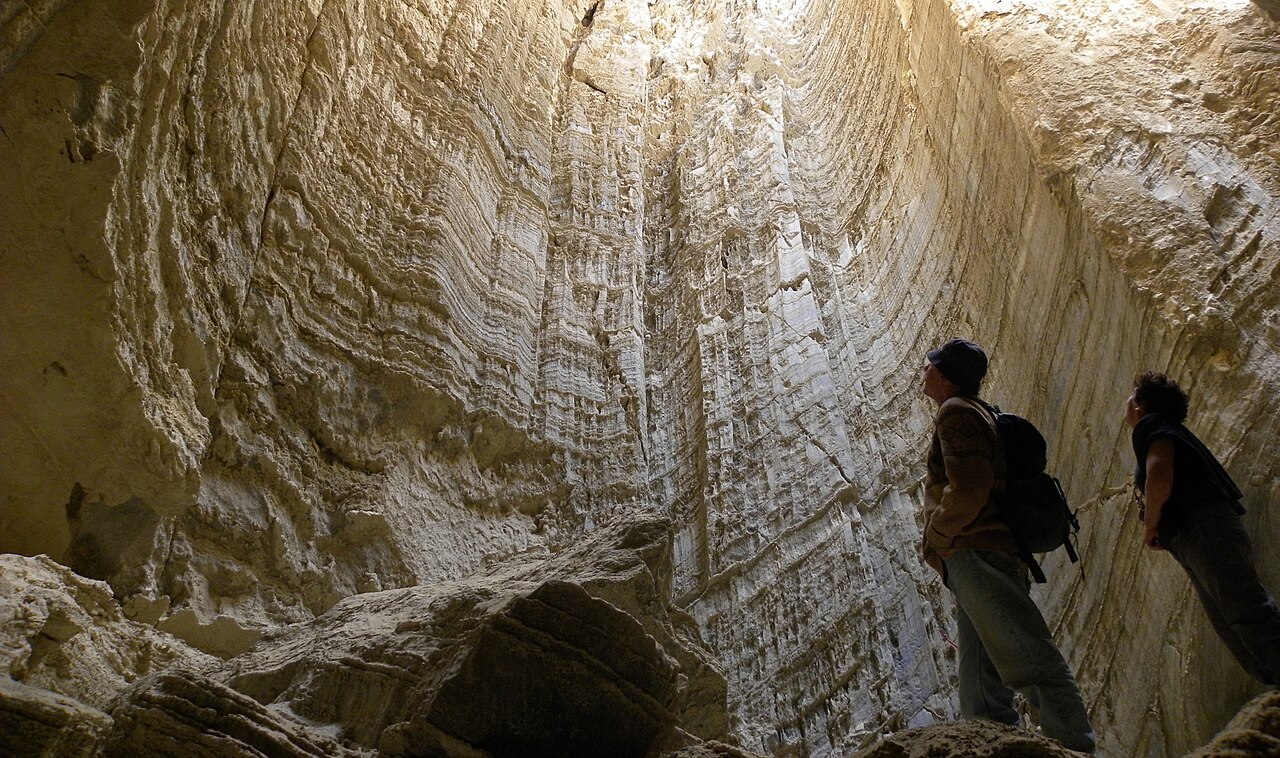
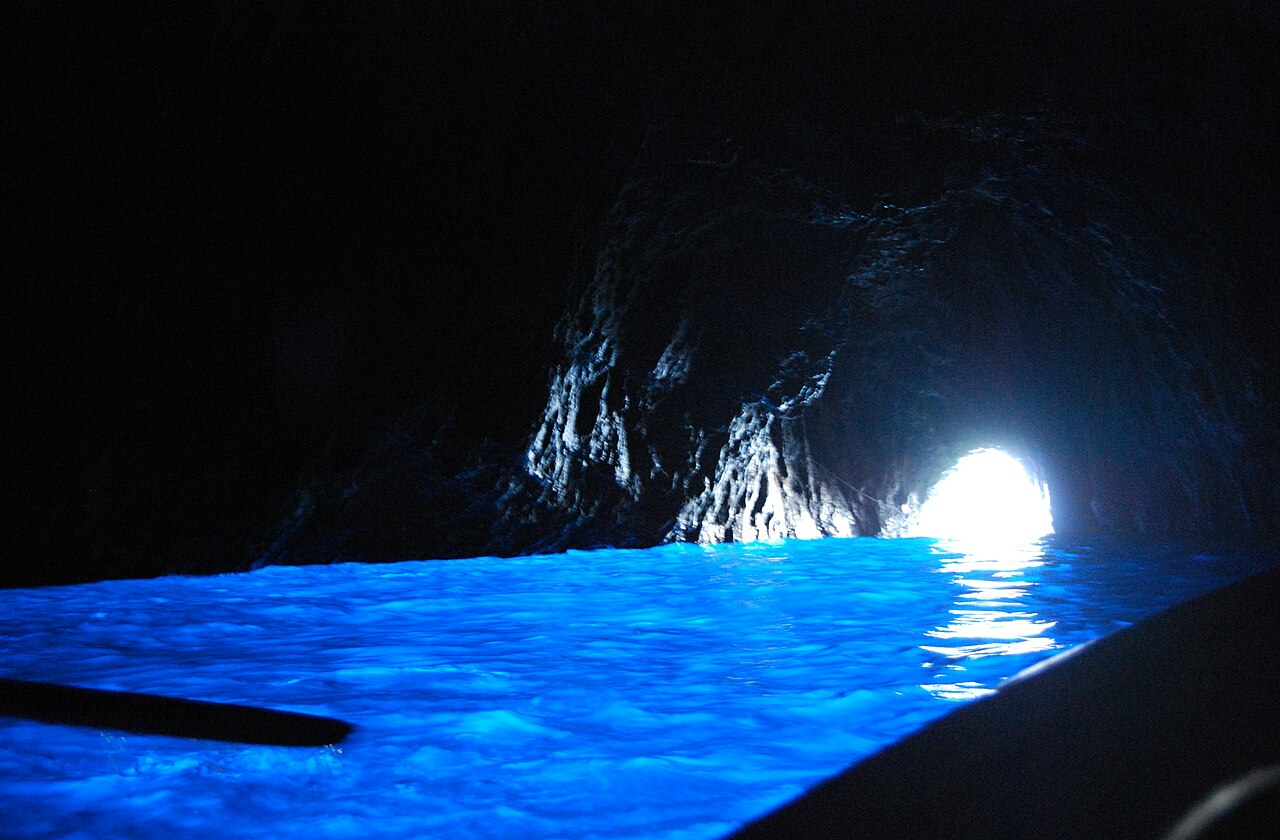
Several geological processes produce caves. The most common are solutional (chemical) processes in soluble rocks such as limestone, where mildly acidic groundwater dissolves bedrock to create voids and passageways. Lava can also form tubular caves (lava tubes) when the exterior of a flowing stream of molten rock solidifies while the interior drains away. Sea caves are carved by wave action along cliffs, and ice caves occur within glaciers or year-round ice. Structural forces and sudden events can open or enlarge underground spaces — for example, fractures and displacements related to earthquakes can create new cavities.
Types and typical features
- Solutional caves: formed by chemical weathering in soluble rock (karst systems).
- Lava tubes: tubular voids formed by flowing lava.
- Sea caves: eroded by coastal wave action and tidal forces.
- Ice caves: hollow spaces within glaciers or perennial ice bodies.
- Talus and fracture caves: created by rockfall or tectonic movement.
Speleothems and mineral deposits
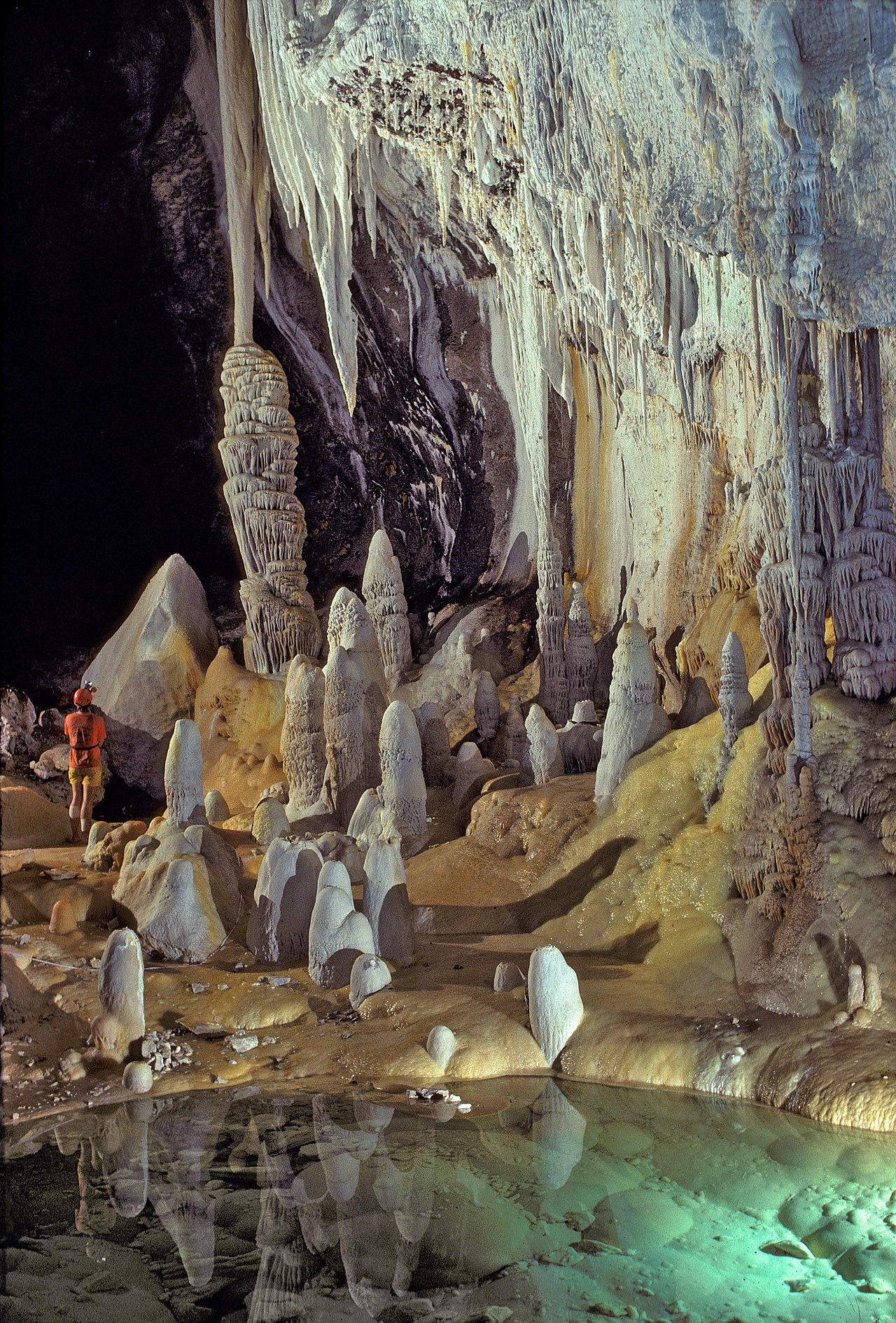
Many caves contain secondary mineral deposits produced by the slow movement of mineral-rich water. Stalactites hang from ceilings while stalagmites rise from floors; these features grow when mineral-laden water drips and leaves residues. Well-known names for these formations include stalactites and stalagmites, and their composition commonly includes calcium carbonate and other minerals. Over thousands of years such deposits can create columns, flowstones, curtains and delicate helictites.
Life and ecology in caves
Caves support a range of life adapted to low light and stable temperatures. The entrance zone often has plant debris and animals such as rodents, spiders and porcupines. Deeper zones support troglophiles and troglobites — species specially adapted to darkness — like blind fish, cave-adapted crustaceans and insects. Bats are among the most conspicuous cave inhabitants and play important ecological roles as seed dispersers and insect predators. Food webs in caves frequently depend on organic matter washed in from the surface or on nutrients provided by bat guano.
Human use, study and safety
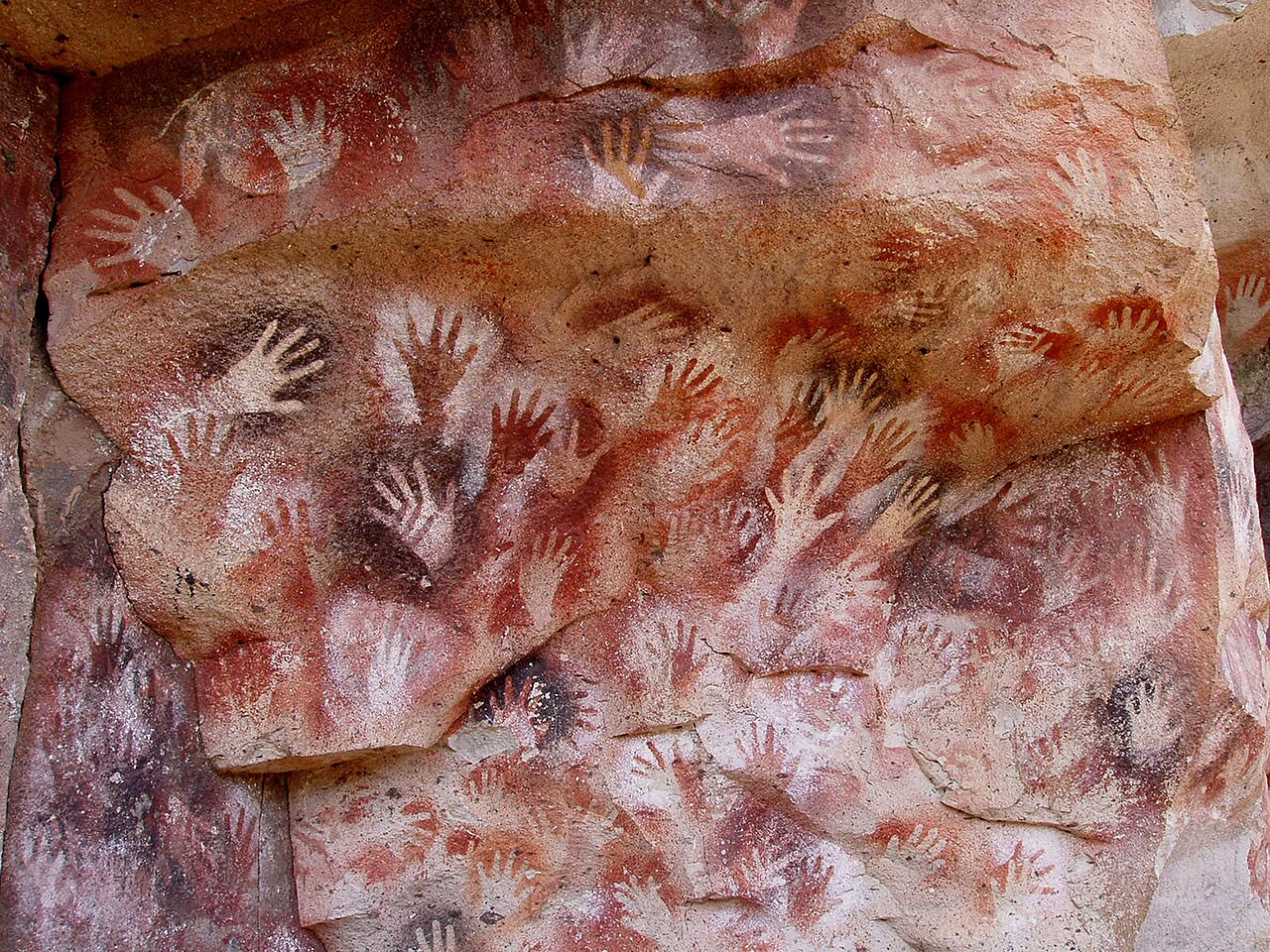
Humans have used caves for shelter, ritual and storage for millennia. Paleolithic people occupied many European caves, leaving archaeological remains and paintings referenced to the Stone Age. Today caves offer shelter for hikers and explorers and are destinations for scientific study (speleology) and recreational caving. Caving requires preparation and respect for hazards: teams typically carry multiple light sources, wear protective gear and travel in groups to manage risks such as falls, flooding and disorientation. Modern cavers often secure a helmet with a hands-free light mounted to it; basic precautions include a primary light plus backups as in the advice to fit a helmet lamp and carry spare lamps and batteries. Caves can also provide temporary refuge from weather and are sometimes used as emergency shelter.
Conservation and significance
Caves preserve geological records, unique ecosystems and cultural artifacts, so they are important for science and heritage. They are sensitive environments: human traffic can damage fragile formations, disturb wildlife, and alter microclimates. Many caves are protected by law or managed through access restrictions to balance study, tourism and preservation.
Exploration and research continue to reveal new passages, species and ancient artworks, making caves enduring subjects of geological, biological and archaeological interest.
Questions and answers
Q: What is a cave?
A: A cave is a natural underground hollow space with narrow passageways and chambers. They are usually formed when acidic water wears away softer stones, such as limestone, leaving only the hard rock like granite. Caves can also be formed by natural catastrophes or by ice and glaciers.
Q: What type of formations can be found in caves?
A: Caves can have formations such as stalagmites and stalactites which are made over thousands of years by water dripping and leaving mineral deposits.
Q: What types of animals live in caves?
A: Many creatures live in the entrance areas of caves, for example snakes, mice, spiders & porcupines. Only a few animals are found deep in caves but bats often live in them. Another common creature found in caves is cave crickets.
Q: Have people ever lived in caves?
A: Yes, people used to live in many European caves during the Stone Age and some still provide shelter for trekkers today.
Q: Are there any paintings on the walls of some caves?
A: Yes, some caves have beautiful paintings on their walls that were created by ancient civilizations or cultures long ago.
Q: Who explores caves?
A: People who explore caves are called cavers or speleologists (the study of exploring these spaces is called speleology). They go into them for fun, exercise and to see the different formations inside them.
Q: Is it dangerous to explore a cave?
A:Yes, exploring a cave can be dangerous because they sometimes have deep holes that need to be navigated around carefully and cavers may need to climb or crawl through tight passages too so it's important to always go with four or more people each having two or three light sources attached to their helmets for safety reasons.
Related articles
Author
AlegsaOnline.com Cave: Natural Underground Voids, Formation, Life and Human Interaction Leandro Alegsa
URL: https://en.alegsaonline.com/art/17735