
Canyoneering (Canyoning): Exploring Canyons by Rappelling, Swimming, and Scrambling
Canyoneering, also called canyoning, is a technical outdoor activity combining hiking, swimming, rappelling and route-finding through canyons and slot canyons, requiring specialized skills and safety precautions.
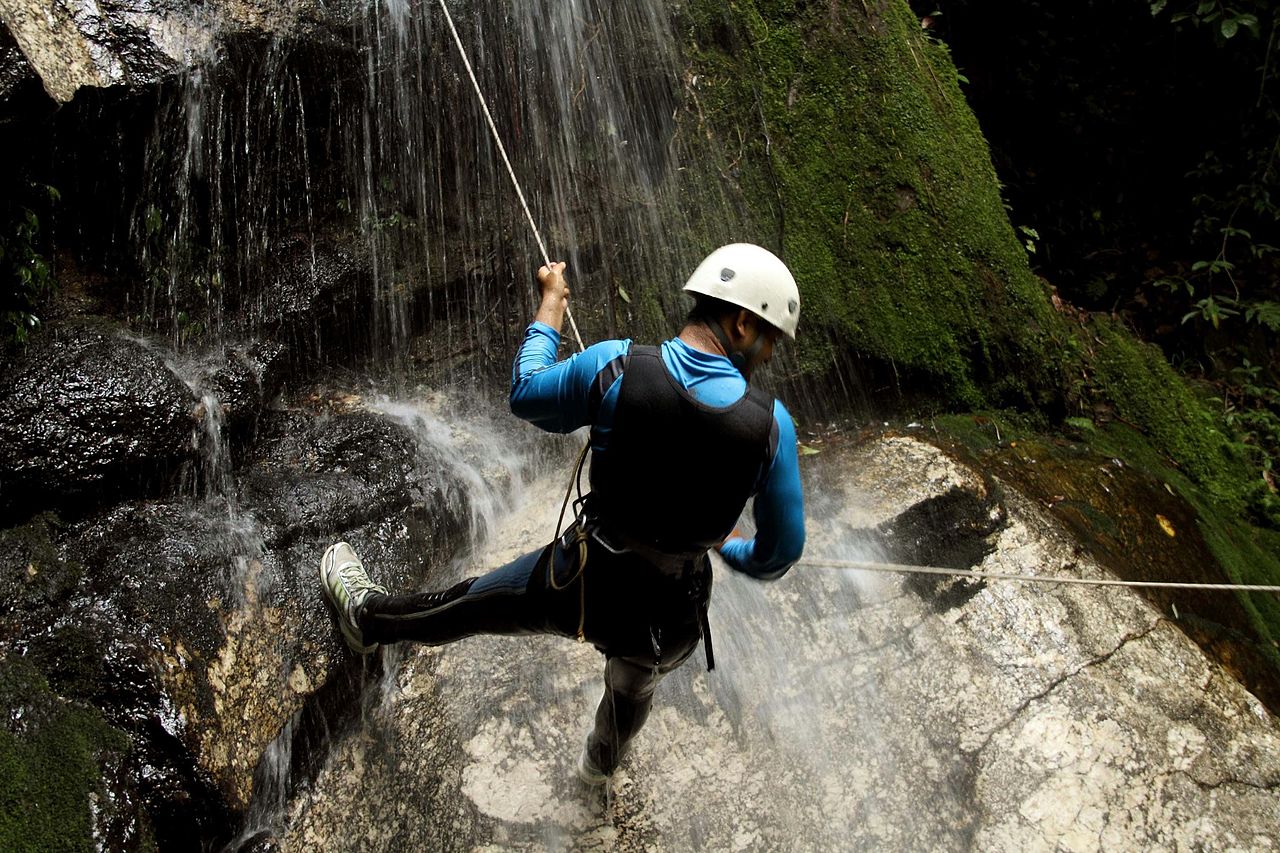
Canyoneering, often termed canyoning in parts of the world, is an outdoor discipline that combines hiking, scrambling, swimming and technical rope work to move through steep or narrow canyon terrain. Participants negotiate cliffs, waterfalls, pools and narrow passages using a mix of mountaineering, climbing and water-travel techniques. Practitioners are commonly called canyoneers.
Image gallery
7 Images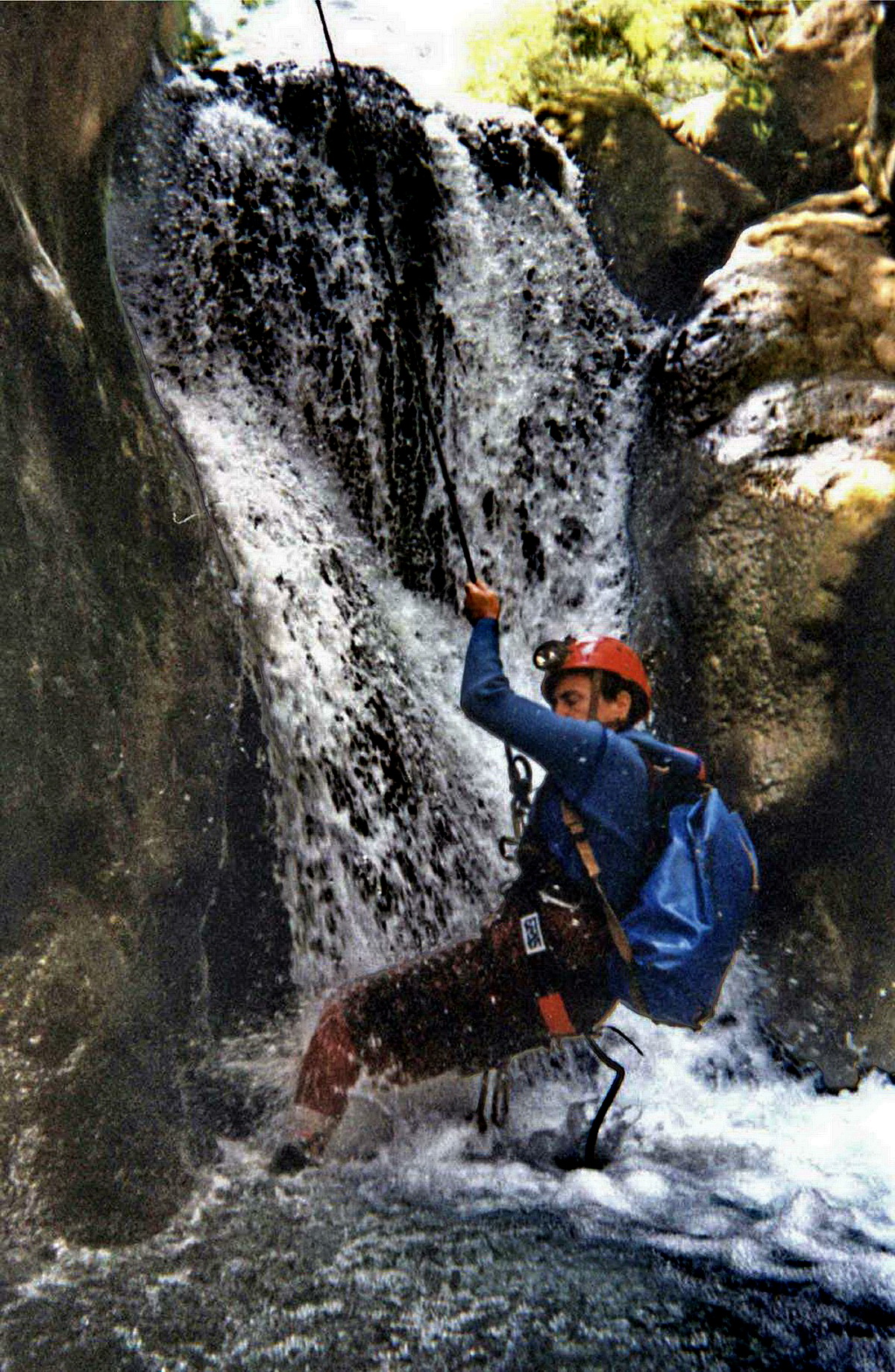




Typical activities and techniques
Routes vary widely: some descents are mostly walking with occasional short rappels, while others require long rappels, downclimbing, swimming across deep pools or swimming through flowing water. Rappelling and rope management are central skills; many trips use single- or double-rope systems and specific knots. For information on rope techniques see ropes and rappelling, and many route descriptions refer to the type and difficulty of the canyons involved.
Equipment and preparation
- Essential gear: helmet, harness, suitable rope, belay/rappel device, carabiners and webbing anchors.
- Water-related items: dry bags, neoprene or wetsuits, waterproof footwear and personal flotation devices where required.
- Navigation and safety: maps or route notes, communication devices, first-aid kit and knowledge of weather and flood risks.
Proper preparation includes route research, group skills in rope rigging and rescue, and awareness of seasonal hazards. In popular areas permits, guided trips or local regulations may apply to protect safety and sensitive environments.
History and development
Canyoneering grew from practical travel and exploration of rugged landscapes into a recreational and adventure-sport activity in the 20th century. It developed in regions with deep gorges and slot canyons where mountaineering, river-running and climbing techniques blended. Over time standardized safety practices, specialized gear and guide services emerged to support recreational participation.
Hazards, distinctions and importance
Major hazards include flash floods, cold immersion and falling. Slot canyons—very narrow, deep channels carved by water—can intensify flood risk because water can surge rapidly with little warning. Canyoneering differs from climbing or caving in that it usually follows an open, linear route through a canyon system and often includes substantial water travel.
Beyond recreation, canyoneering fosters physical fitness, technical skill development and appreciation of geological and hydrological processes. Responsible practice emphasizes training, conservative decision-making and minimizing impact on fragile canyon ecosystems.
Tags
Related articles
Author
AlegsaOnline.com Canyoneering (Canyoning): Exploring Canyons by Rappelling, Swimming, and Scrambling Leandro Alegsa
URL: https://en.alegsaonline.com/art/16681