
Cape Verde-type hurricane
A Cape Verde-type hurricane is an Atlantic tropical cyclone that forms near the Cape Verde islands and often becomes a long-lived, powerful storm after crossing warm open ocean.
Overview
A Cape Verde-type hurricane is an Atlantic tropical cyclone that develops from a tropical wave near the Cape Verde islands off the west coast of Africa. These systems typically form during the peak months of the Atlantic hurricane season and are notable for their long track over warm ocean water, which gives them time to intensify. See general information about Atlantic storms at Atlantic hurricane.
Image gallery
2 Images
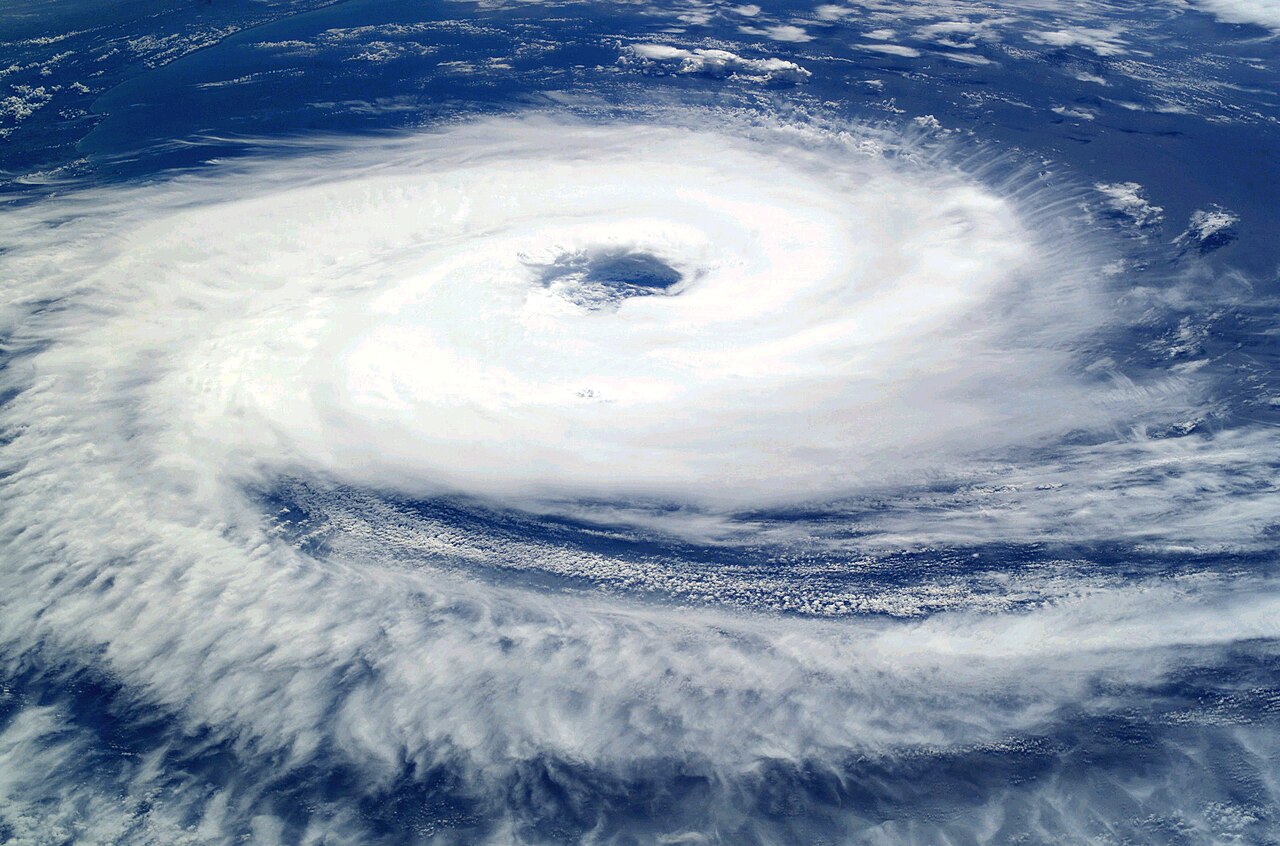
Formation and characteristics
Most Cape Verde-type hurricanes originate from easterly tropical waves that move westward from the African continent. If environmental conditions are favorable — low vertical wind shear, sufficiently warm sea surface temperatures, and adequate mid-level moisture — a wave can organize into a tropical depression and then a tropical storm or hurricane. Because they form so far east, these storms often spend many days over open water and can reach major hurricane strength.
Typical season and development
These storms are most common between July and September, the climatological peak of the Atlantic season. On average there are about two Cape Verde-type hurricanes each season, though the number varies widely from year to year. Their early location near the Cape Verde islands and proximity to the west coast of Africa are defining geographic features. Many long-lived tropical waves that become hurricanes begin near or east of these islands.
Impacts and notable examples
Because Cape Verde-type hurricanes have a long oceanic runway, some of the most intense and long-track Atlantic hurricanes have come from this class. When steering currents keep them on a westward track they can threaten island chains of the Atlantic, the Caribbean, and the continental United States; alternatively, some recurvate into the open Atlantic and spare land. Several historically significant storms began as Cape Verde-type systems and later produced major impacts.
Distinguishing features and related terms
- Origin: forms from African easterly waves near the Cape Verde area.
- Potential intensity: often capable of reaching major hurricane strength due to prolonged time over warm water.
- Seasonality: most frequent in the climatological peak months of the season.
Further reading and resources
For more on tropical waves and hurricane development consult introductory materials about tropical meteorology and official forecast centers. Background on the geography of the region is available via general references such as Cape Verde islands descriptions and broader Atlantic summaries at west coast of Africa regional pages.
Related articles
Author
AlegsaOnline.com Cape Verde-type hurricane Leandro Alegsa
URL: https://en.alegsaonline.com/art/16729