
Cenote
A cenote is a natural sinkhole where collapse of limestone exposes groundwater. Common on the Yucatán Peninsula and some nearby Caribbean islands, cenotes are hydrological, ecological, cultural and recreational sites.
Overview
A cenote is a natural pit or sinkhole that provides access to groundwater when porous limestone or other carbonate rock collapses or subsides. They range from shallow, open pools to deep, partially or fully flooded cave systems. Cenotes are especially common across the Yucatán Peninsula and occur on several nearby Caribbean islands, where they have long been important sources of fresh water and local use.
Image gallery
10 Images




Formation and geology
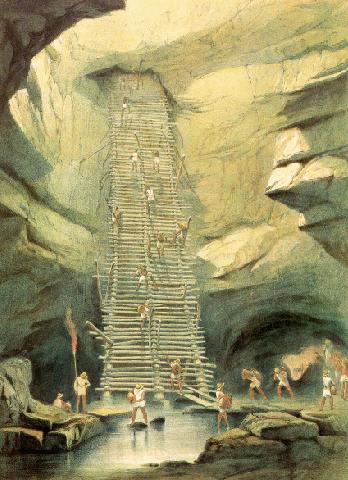
Cenotes develop in karst terrain, where slightly acidic rainwater dissolves carbonate bedrock and creates voids and caves. Over geological time the roofs of some caves collapse, exposing the water-filled chambers below. Many cenotes connect to larger underground aquifers and cave networks; in coastal areas a halocline can form where fresh groundwater overlies denser seawater.
Hydrology and water quality
Water in cenotes is often clear because it is filtered through limestone, but quality depends on surrounding land use and inputs. Because cenotes link directly to groundwater, they are sensitive to surface pollution, agricultural runoff and changes in recharge. In some systems water is stratified, and submerged passages can extend far from the surface opening.
Ecology and biodiversity
Cenotes support distinct aquatic and riparian communities. Fish, crustaceans, aquatic plants and microorganisms adapted to low-nutrient or low-light conditions are common. Some cenotes host endemic or cave-adapted species. Vegetation around open cenotes can form microhabitats that support birds and other wildlife.
Cultural and archaeological significance
For indigenous peoples of the region, notably the Maya, cenotes were vital freshwater sources and often had ritual importance. Archaeological investigations in some cenotes have recovered artifacts and human remains, indicating ceremonial use in the past. Archaeology and local tradition together contribute to the cultural value of many sites.
Uses, recreation and safety
Today cenotes are used for drinking water in some rural areas and are popular destinations for swimming, snorkeling and cave diving. Visitors should be aware that submerged cave systems are hazardous; diving in cenotes requires training and proper equipment. Managing visitor impact is important to preserve water quality and archaeological features.
Conservation and management
- Protecting the recharge area and limiting pollution runoff help maintain water quality.
- Regulating tourism, controlling access and providing education reduce physical and ecological damage.
- Scientific study, monitoring and cooperation with local communities are common approaches to conserve cenotes and their associated heritage.
Further reading
Cenotes illustrate the links between geology, hydrology, ecology and culture. Sites on the Yucatán Peninsula and nearby Caribbean islands continue to be the focus of research, conservation and cultural interest.
Questions and answers
Q: What is a cenote?
A: A cenote is a type of sinkhole that contains groundwater.
Q: Where are cenotes usually found?
A: Cenotes are typical in the Mexican Yucatán Peninsula and some nearby Caribbean islands.
Q: What is the origin of the term "cenote"?
A: The term "cenote" comes from a word used by the lowland Yucatec Maya to refer to any location where groundwater can be got at.
Q: Can cenotes be used as a source of water?
A: Yes, cenotes contain groundwater that can be used as a source of water.
Q: Do cenotes only exist in Mexico and some nearby Caribbean islands?
A: Yes, it is typical for cenotes to exist in the Mexican Yucatán Peninsula and some nearby Caribbean islands.
Q: What is the difference between a regular sinkhole and a cenote?
A: A cenote is a type of sinkhole that contains groundwater, which makes it distinct from regular sinkholes that do not contain water.
Q: How are cenotes important to the local communities in the Yucatán Peninsula?
A: Cenotes have cultural and ecological importance to the local communities in the Yucatán Peninsula, as they have been used for centuries for ceremonial and survival purposes, and they also provide habitats for a variety of flora and fauna.
Related articles
Author
AlegsaOnline.com Cenote Leandro Alegsa
URL: https://en.alegsaonline.com/art/17946