
Cairn Terrier: Origin, Characteristics, Care, and History
Compact, hardy Scottish terrier breed used for hunting among stone cairns. Overview of appearance, temperament, grooming (hand‑stripping), history, and common roles in modern life.
The Cairn Terrier is a small, sturdy working dog that developed in the Scottish Highlands to hunt vermin among piles of stones known as cairns. Bred for courage, agility and a weatherproof coat, the breed is widely recognized as one of the older terrier types. The name refers both to the landscape and the dog’s original task of working within stony shelters and rough ground. For a basic profile see breed overview.
Image gallery
5 Images



Physical characteristics
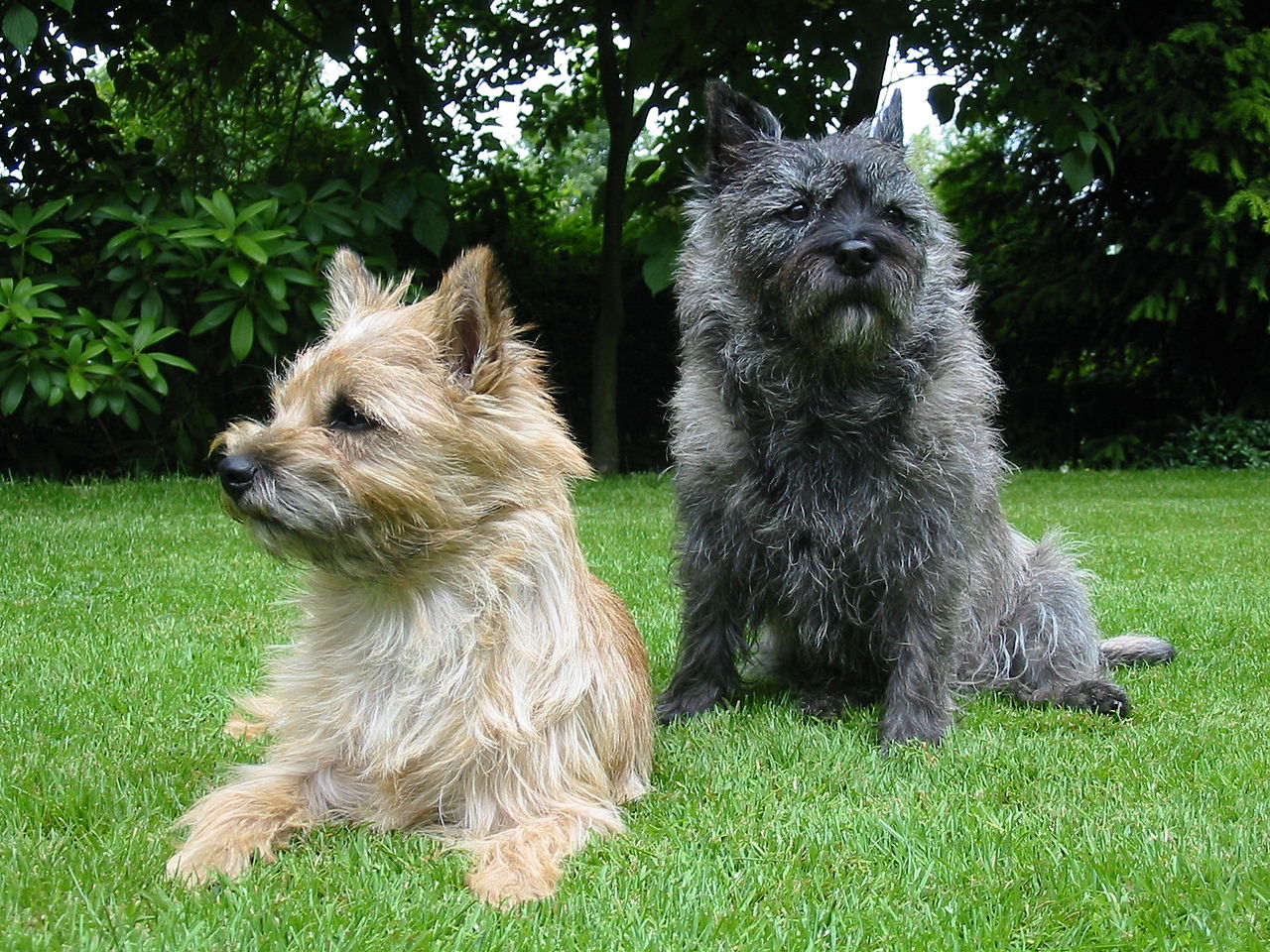
Cairn Terriers have a compact body, a keen expression, and a shaggy, double coat that shields them from rain, dirt and underbrush. Coat colors commonly include shades of sandy, gray, red, brindle and blue; pure black and pure white are usually not accepted by many breed organizations. The outer coat is harsh and weather-resistant while the undercoat provides insulation. More about accepted colors and standards can be found at official standards and club resources.
Temperament and behaviour
This terrier is typically alert, curious and active. Cairns were selected to show independence and tenacity when pursuing quarry at close quarters, traits that remain in the modern pet: a lively demeanor, considerable courage for their size, and a strong prey drive. They are often good family companions and do well with consistent training, socialization, and outlets for their energy. For training tips and behavior guidance see training guide and behaviour resources.
History and development
Originating in rural Scotland, Cairn Terriers were used to clear vermin from the same stone piles where shepherds and crofters lived. They were valued for being able to go to ground and flush or dispatch small animals. Over time the type was refined by local breeders into a recognizable terrier; records and registries describe the breed’s rise to wider popularity in Britain and beyond. For historical context and timeline materials consult historical notes and archive sources.
Care, grooming and health
Grooming a Cairn Terrier emphasizes coat maintenance rather than frequent clipping. Traditional hand‑stripping—removing dead outer hairs by hand or with a stripping tool—helps preserve the coat’s texture and function; regular brushing and occasional baths keep the dog comfortable. Clipping can soften the outer coat and alter its protective qualities. Regular veterinary checks can address common concerns and support long-term health; information on care is available at care guides, grooming tips, and health resources.
Uses, activities and notable facts
- Original role: vermin control and hunting in rocky terrain; more background at working origins.
- Modern roles: companion, show dog, and participant in canine sports such as earthdog trials and agility; see activity ideas.
- Distinctions: relatively long-lived for small breeds and adaptable to different living situations when exercised; further reading at breed facts, owner resources, and club information.
Cairn Terriers are valued for their combination of hardiness, character and manageable size. Prospective owners should research breed-specific needs and, when seeking a puppy, consult reputable breeders or rescue organizations to ensure health, temperament and proper early socialization.
Related articles
Author
AlegsaOnline.com Cairn Terrier: Origin, Characteristics, Care, and History Leandro Alegsa
URL: https://en.alegsaonline.com/art/15991