
Calcareous sponge (Class Calcarea)
Calcareous sponges are small marine sponges distinguished by calcium carbonate spicules. This article describes their structure, life cycle, ecology, classification, and how they differ from other sponge groups.
Overview
Calcareous sponges belong to the class Calcarea within the phylum Porifera. They are exclusively marine and generally small in size, often only a few centimetres tall. What sets them apart from most other sponges is a skeleton built from calcium carbonate spicules rather than silica or spongin. About a few hundred species have been described, representing only a small portion of sponge diversity, but they display a variety of forms from simple tubes to irregular crusts.
Image gallery
10 Images

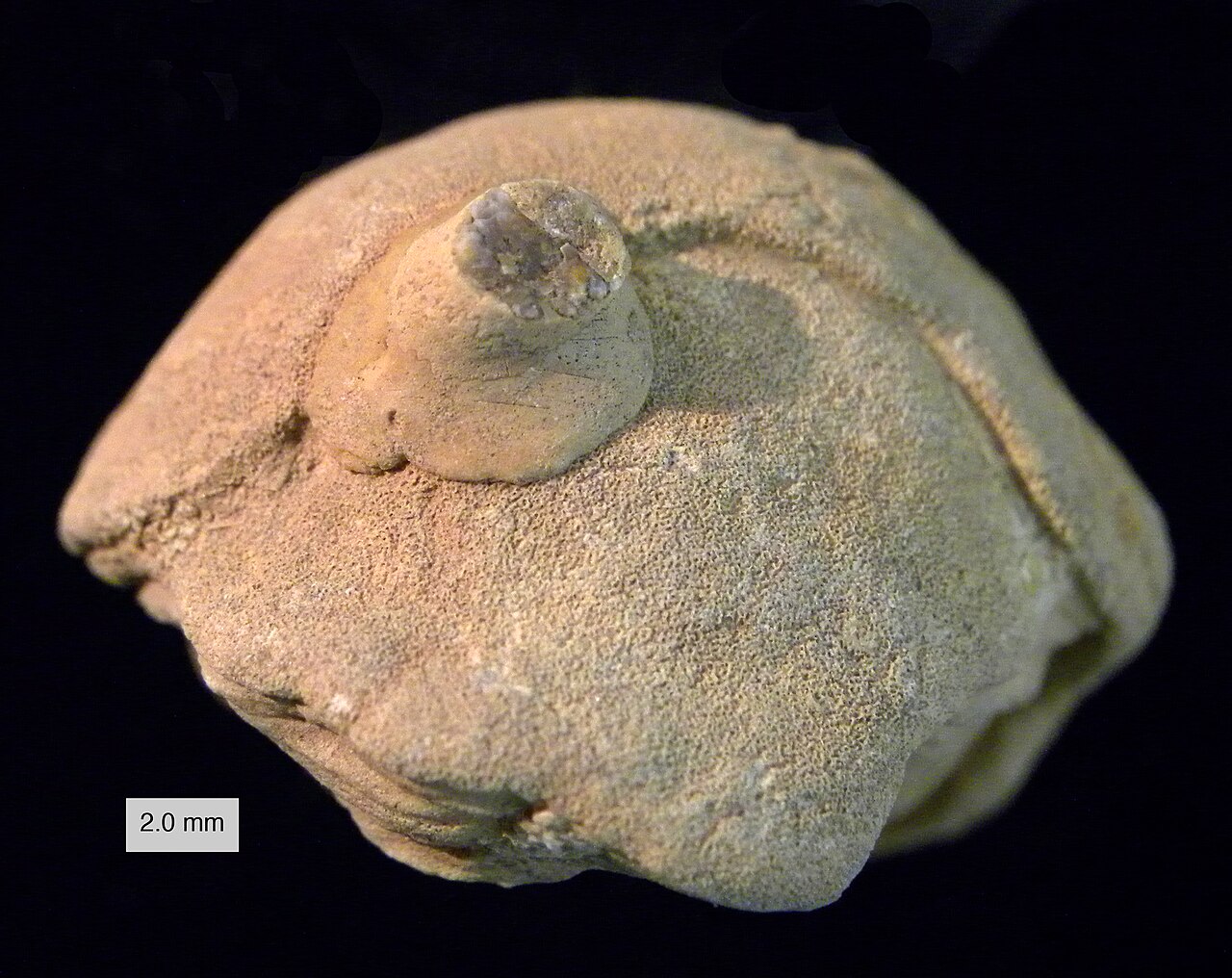


Anatomy and skeleton
The body of a calcareous sponge is made up of loosely organized cell layers rather than true tissues. Key cell types include choanocytes (flagellated collar cells that drive water flow and capture food), pinacocytes (surface cells) and archaeocytes (amoeboid cells involved in digestion and regeneration). The skeletal elements are microscopic spicules of calcium carbonate, which occur in characteristic shapes such as monoactines, triactines and tetractines. Arrangement and shape of these spicules are important for identifying species.
Body plans and life cycle
Calcarea exhibit the canonical three sponge body plans: asconoid (simple tubular), syconoid (folded canals) and leuconoid (complex chambered). Many calcareous species remain relatively simple in organization compared with larger sponges. Reproduction can be sexual or asexual: many species are hermaphroditic and release gametes into the water, producing free-swimming larvae (commonly an amphiblastula) that settle and metamorphose into sessile juveniles. Asexual reproduction by budding or fragmentation also occurs.
Distribution, habitat and ecology
Calcareous sponges are typically found in shallow marine habitats, from intertidal zones to continental shelves, where they attach to hard substrates. They are active filter feeders, drawing water through internal canals to capture bacteria and planktonic particles. By filtering water they contribute to nutrient cycling and provide microhabitats for small invertebrates. Their tolerance for different conditions varies: many prefer clear, well-oxygenated waters.
Classification, diversity and fossil record
Calcarea is one of several classes of living sponges and includes genera such as Clathrina and Leucosolenia that are familiar in temperate seas. Taxonomists use spicule form, skeletal architecture and cellular details to classify species. The fossil record of calcareous sponges exists but is less extensive and more fragmentary than that of siliceous sponges because calcium carbonate spicules are more soluble and less likely to be preserved intact over long geological timescales.
Importance and distinguishing features
Calcareous sponges are valuable for studies of early animal evolution and development because of their simple organization. Key features that distinguish them from other sponge classes include:
- Calcium carbonate spicules rather than silica or spongin.
- Typically small size and a tendency to occupy shallow marine habitats.
- Presence of all three body plan types (asconoid, syconoid, leuconoid) within the group.
Although not as conspicuous as some larger sponges, calcareous sponges play a clear ecological role in benthic communities and remain of interest to biologists and paleontologists studying sponge diversity and the evolution of early multicellular animals.
Related articles
Author
AlegsaOnline.com Calcareous sponge (Class Calcarea) Leandro Alegsa
URL: https://en.alegsaonline.com/art/16030