
Working dog
A working dog is bred or trained to perform practical tasks that assist people — from herding and guarding to search and rescue, hunting, and other specialized roles.
Overview
A working dog is a canine bred, selected, or trained to carry out specific tasks that help people. Unlike dogs kept primarily as companions, working dogs perform practical roles such as managing livestock, protecting property, locating missing people, or assisting in hunting. The term can cover both traditional rural occupations and modern professional services.
Image gallery
8 Images


Characteristics and selection
Breeds commonly described as working dogs tend to share physical stamina, a strong drive to perform, and a temperament suited to focused tasks. Characteristics vary by role: herding breeds are often agile and responsive to human signals; guardian types may be confident, alert, and independent. Selection emphasizes trainability, endurance, sensory ability (scent or sight), and resilience under varied conditions.
History and development
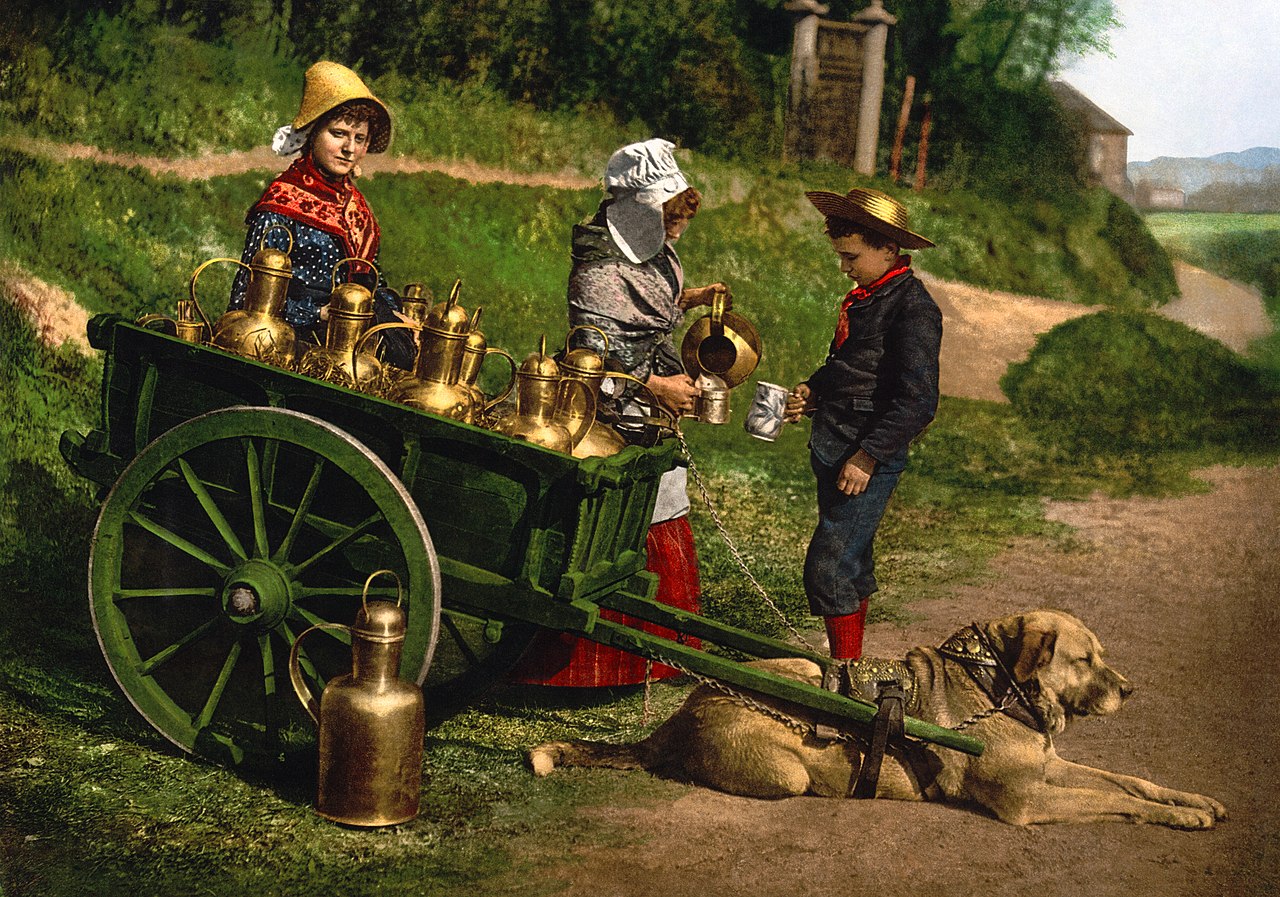
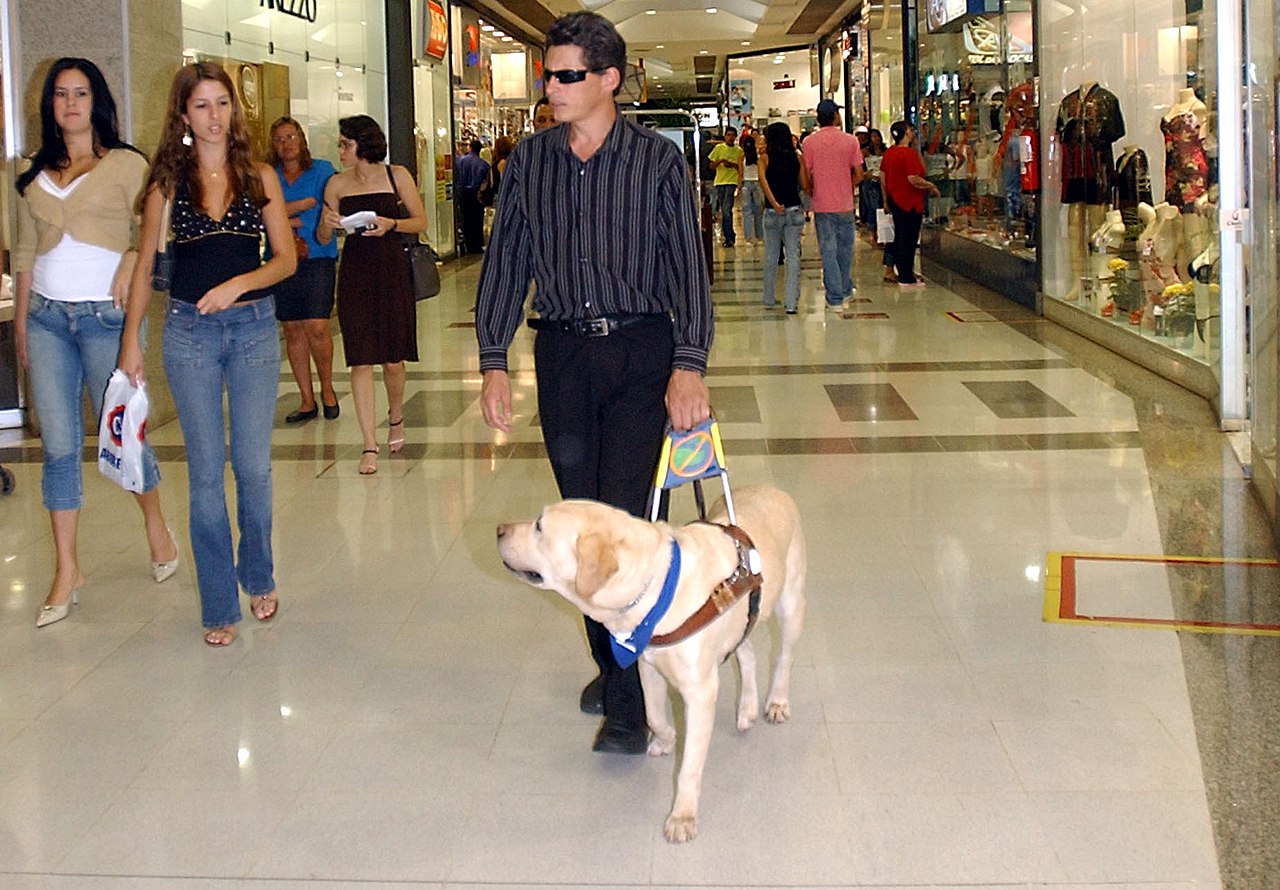
Humans have developed working dogs over centuries by pairing behavioral traits with physical aptitudes. Early roles included guarding camps and controlling livestock; as societies and technology evolved, dogs were trained for specialized work such as pulling loads, detecting contraband, and assisting emergency responders. Modern breeding and training programs continue to refine abilities while also addressing welfare and health concerns.
Common roles and examples
- Herding — directing livestock using movement and voice commands; common in sheep and cattle management.
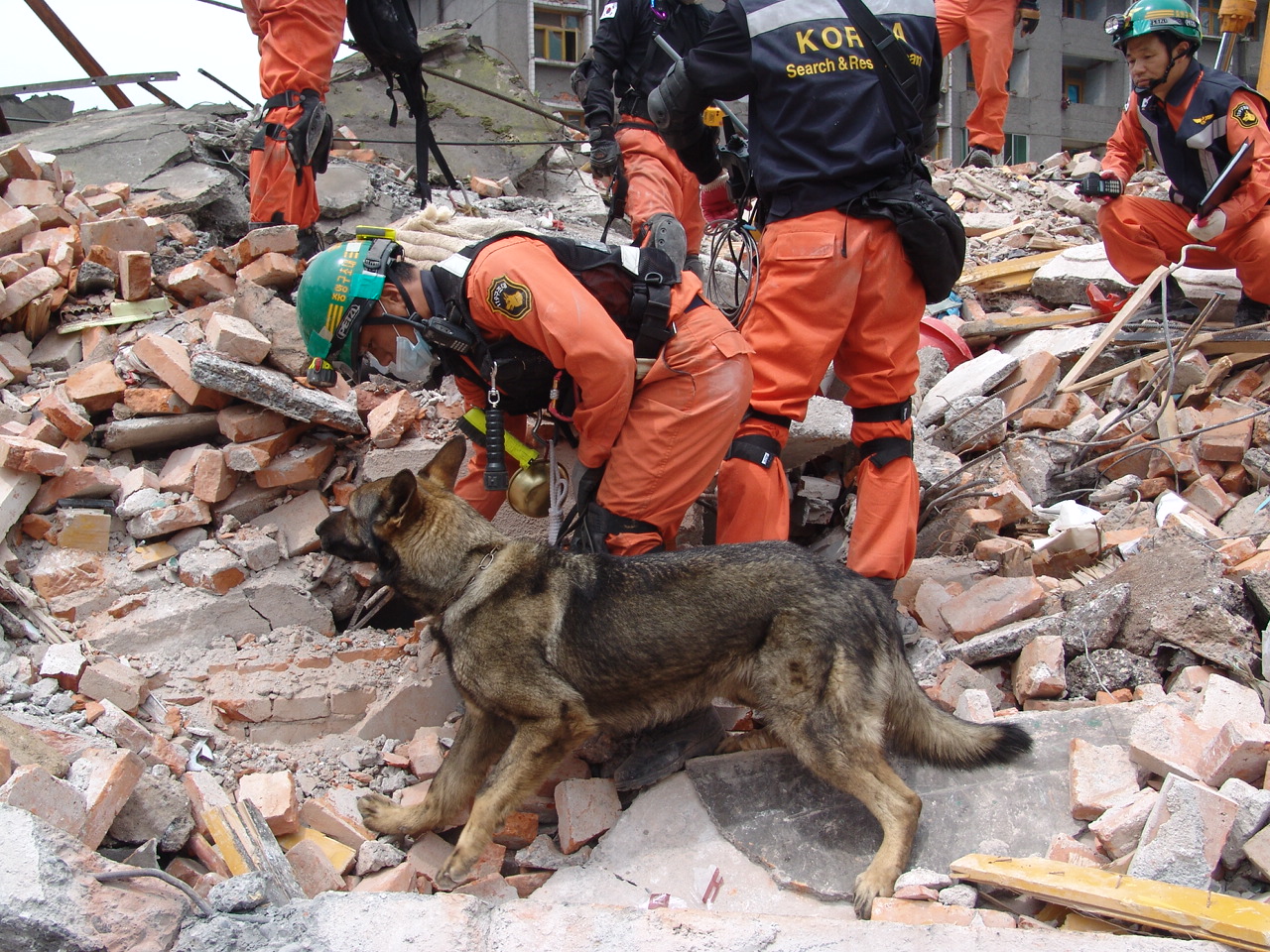
- Search and rescue — locating missing or trapped people after disasters or in wilderness settings.
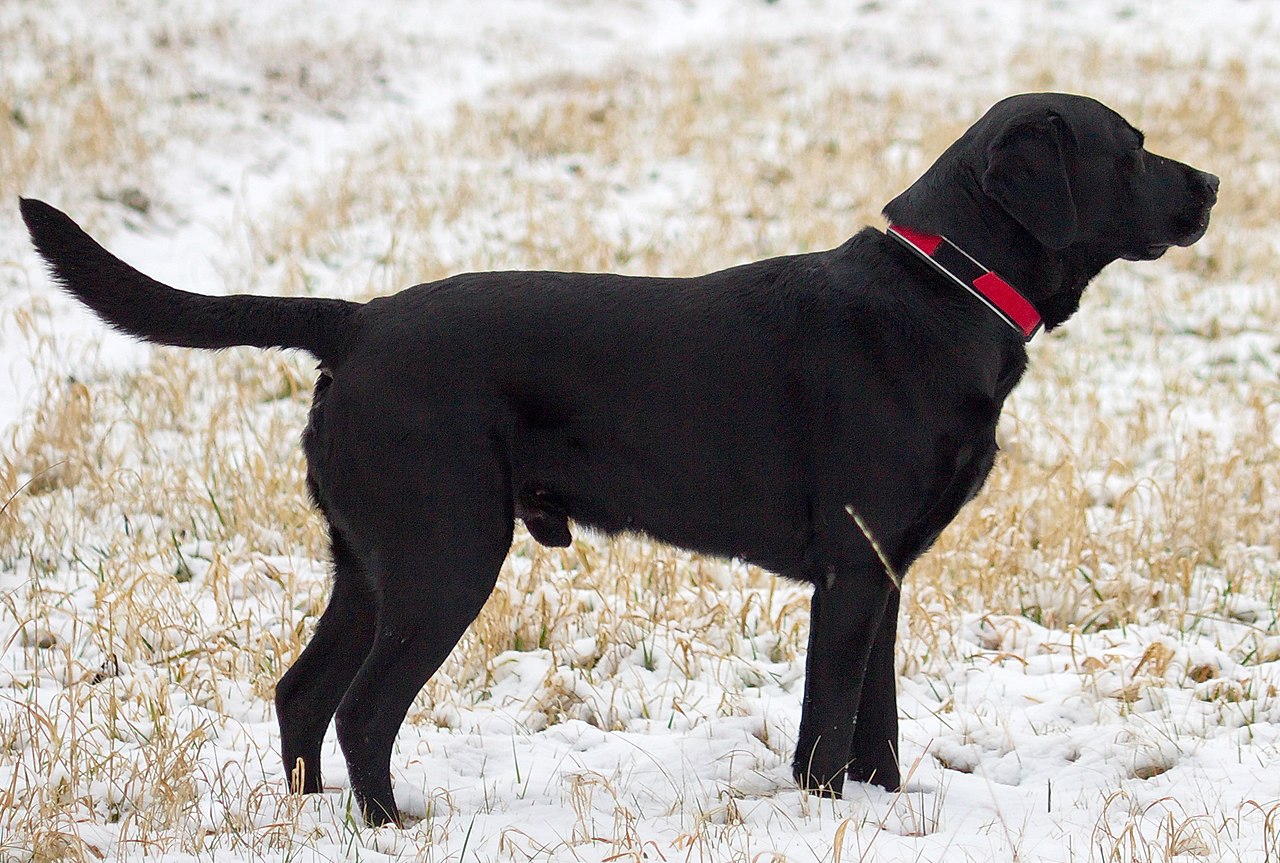
- Hunting — tracking, pointing, or retrieving game for hunters.
- Guarding and protection — deterring intruders, securing property, or serving in police and military roles.
Training, welfare, and modern considerations
Effective training combines early socialization, task-specific conditioning, and ongoing reinforcement. Working dogs require appropriate physical exercise, mental stimulation, and veterinary care proportional to their workload. Increasingly, handlers and organizations emphasize ethical training methods, rest cycles, and monitoring for stress or injury.
Distinctions and notable facts
"Working dog" is a functional label and overlaps with breed classifications; not all members of a working breed serve in professional roles, and some companion dogs take on light tasks. Working dogs contribute to agriculture, public safety, and recreation, and their contributions have shaped both human societies and selective breeding practices worldwide. For more detailed role descriptions, consult specialized resources or local organizations that train and certify working dogs.
Related articles
Author
AlegsaOnline.com Working dog Leandro Alegsa
URL: https://en.alegsaonline.com/art/109062