
Calico cat
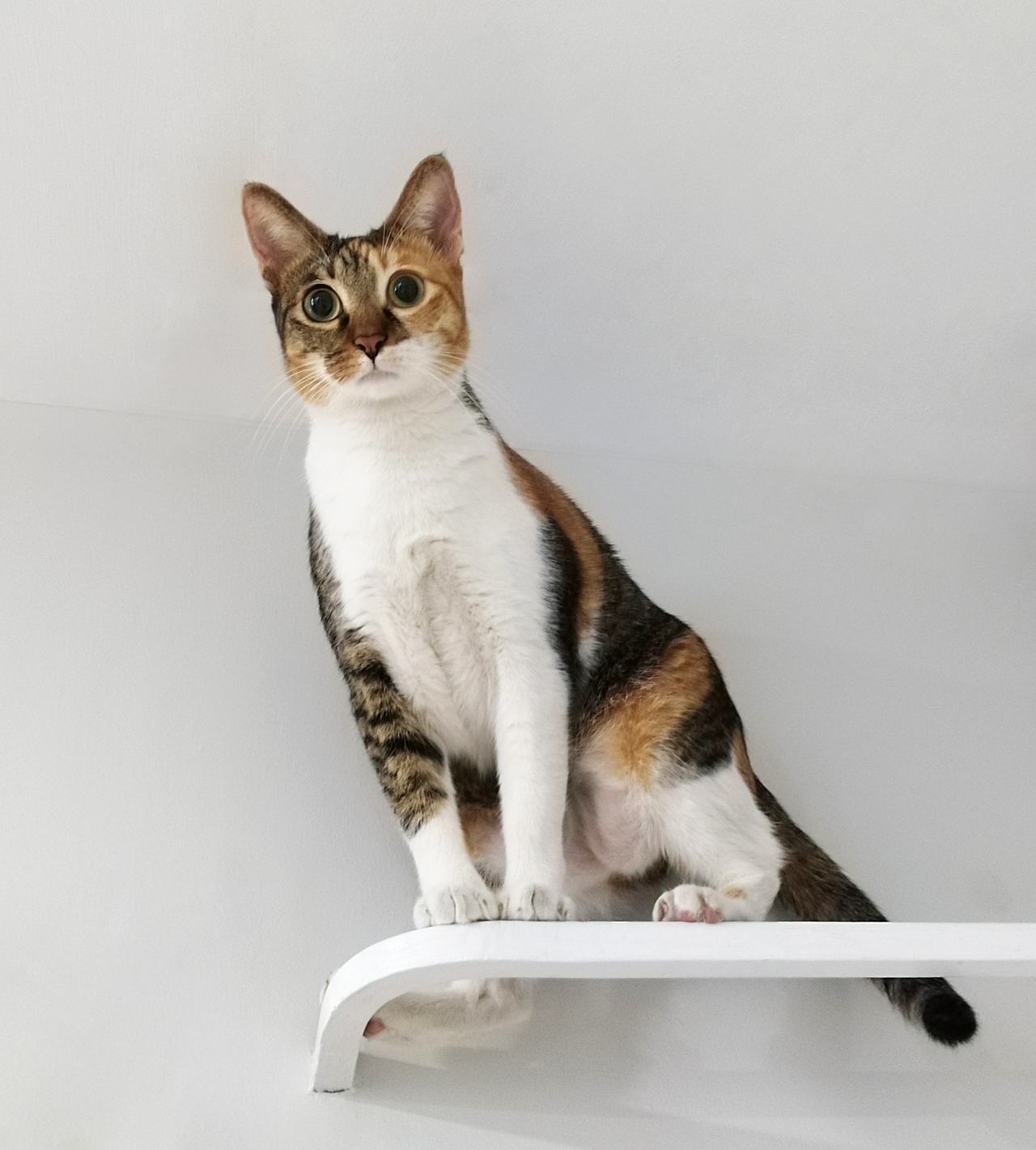
A calico cat has a distinctive tri-colour coat—white with orange and black patches. The pattern is independent of breed and arises from X-linked genetics and X-chromosome inactivation; nearly all calicos are female.
Overview
Calico describes a coat pattern in domestic cats featuring three colours: white with patches of orange (or cream) and black (or brown). The term is widely used in North America; elsewhere the pattern is often called tortoiseshell-and-white or tri-colour. Calico is a colour pattern, not a breed: many pedigreed and mixed-breed cats can display calico markings.
Image gallery
9 Images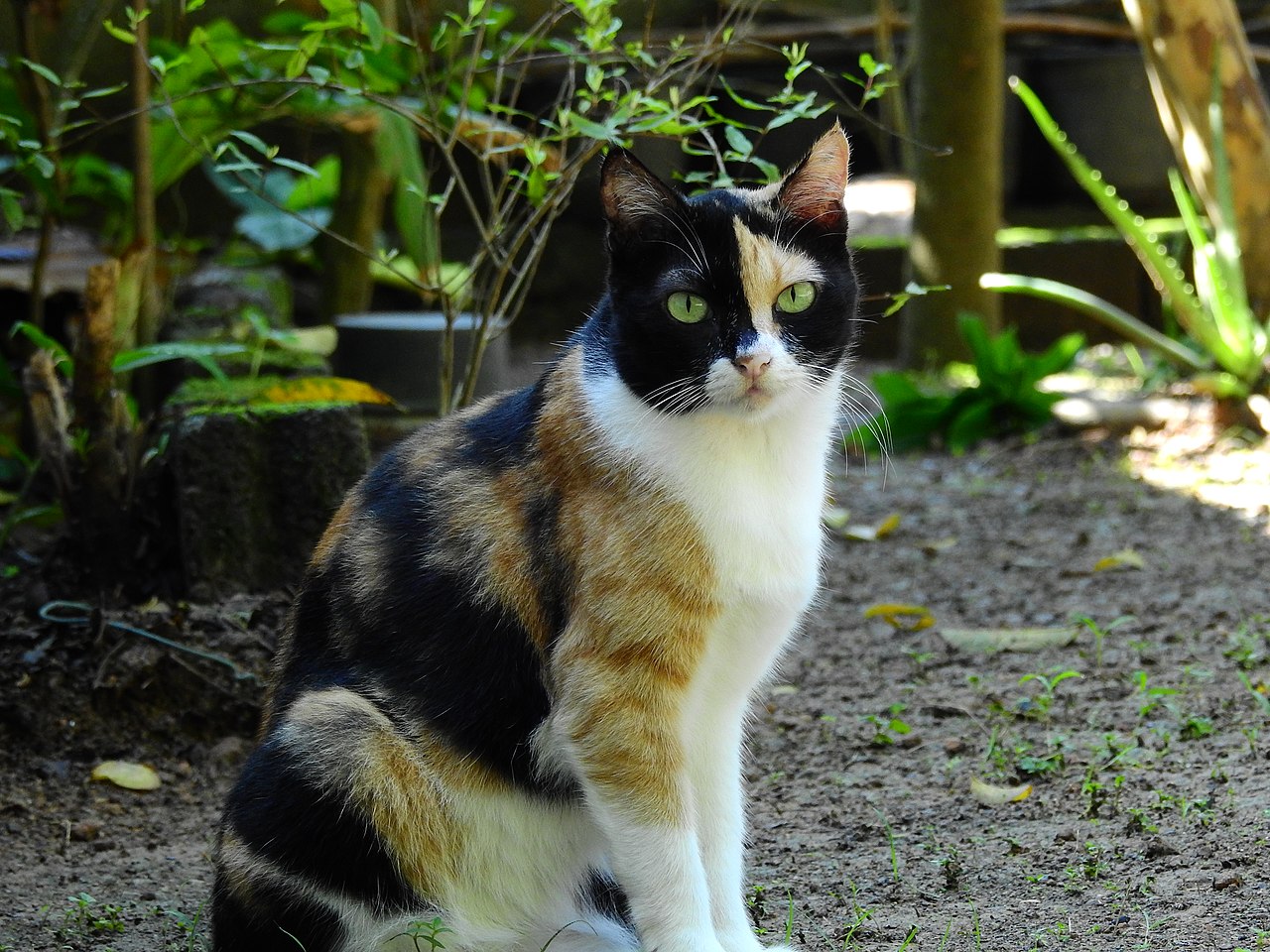





Genetics and sex linkage
The striking patchwork of orange and black in calico cats is linked to genes on the X chromosome and to X-chromosome inactivation (also called lyonization). Female mammals have two X chromosomes (XX) and can carry different colour alleles on each X. During early development one X chromosome is randomly inactivated in each cell lineage, producing mosaics of orange and non-orange fur. Male mammals usually have one X chromosome (XY) and therefore rarely display both colours.
Male calicos and chromosomal exceptions
Male calico cats are uncommon. When they do occur, they often have an atypical karyotype such as XXY (a form of Klinefelter syndrome in cats), which explains the presence of two X chromosomes. Such males may be sterile and sometimes have health considerations associated with chromosomal abnormalities. Confirming chromosomal status requires veterinary genetic testing.
Pattern types and terminology
White areas result from a separate gene that reduces or eliminates pigment (often called the piebald or white spotting gene). Calico patterns vary from large, well-defined patches to finely speckled or mixed patterns. Common descriptive terms include:
- Patchy calico — distinct blocks of colour.
- Van pattern — mostly white with color confined to head and tail.
- Caliby or torbie — calico coloring combined with tabby striping in the coloured patches.
Cultural notes and misconceptions
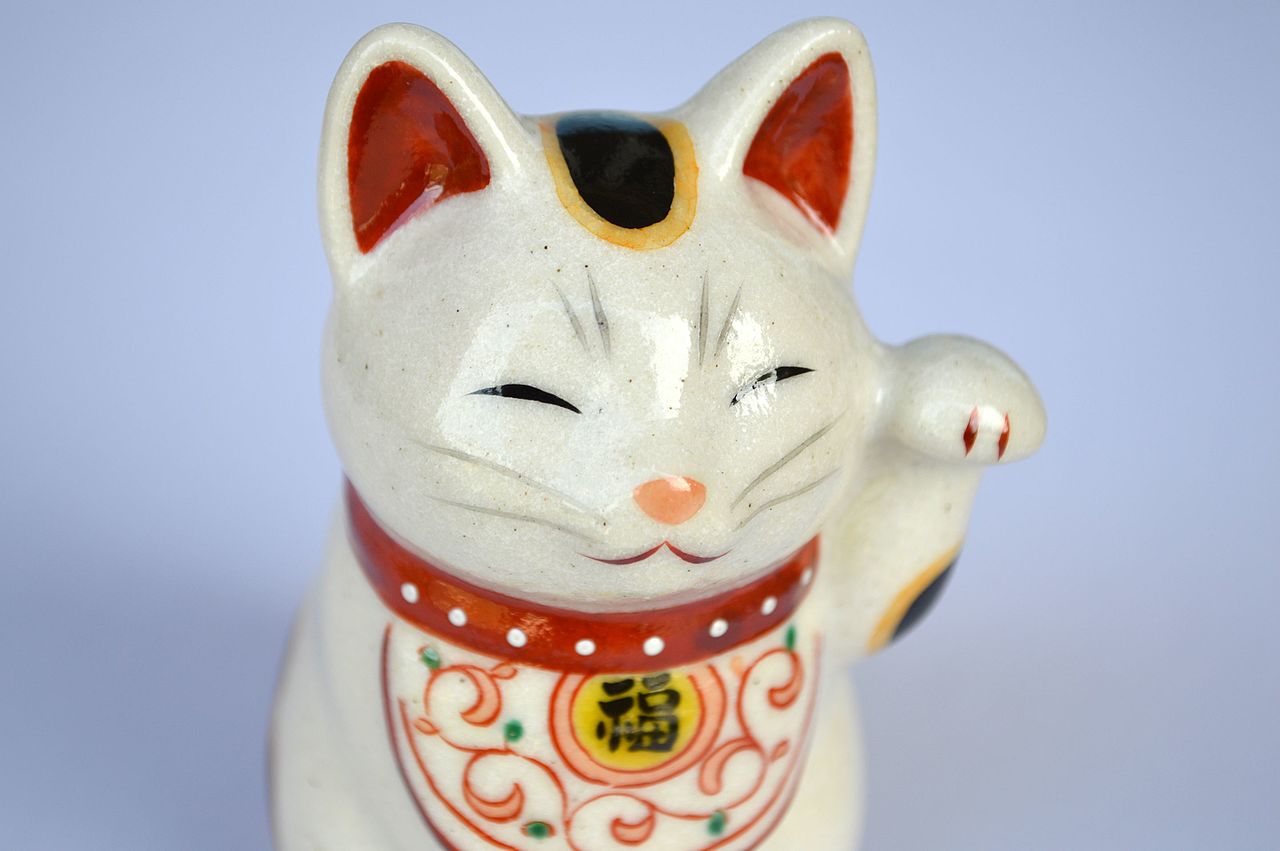
Calico cats appear in folklore and popular culture. In Japan, tricolour cats are sometimes associated with good luck and appear in the beckoning cat figurine tradition. A common misconception is that coat colour determines temperament—coat pattern alone does not determine personality; behaviour is influenced by genetics, early socialization and environment.
Practical points
Because calico denotes a colour pattern, it cannot be guaranteed through selective breeding in the same way a breed trait might be. People interested in calicos should adopt based on temperament and care suitability, not colour alone. If a male calico is suspected, consultation with a veterinarian or geneticist can clarify any medical implications and advise on health screening where appropriate.
Related articles
Author
AlegsaOnline.com Calico cat Leandro Alegsa
URL: https://en.alegsaonline.com/art/16111
Sources
- books.google.com : Calico Cats, p. 6
- books.google.com : p. 7
- books.google.com : Complete book of cat breeding, p. 17
- krem.com : "Verify: Are calico cats always female? Are orange cats always male?"
- cbsnews.com : "Cloned Cat Isn't A Carbon Copy"
- southdakotapolitics.blogs.com : "Sociogenomics 2: Why You Can't Clone a Calico Cat"
- books.google.com : "Maneki Neko"
- huffingtonpost.com : "Venus The Chimera Cat Attains Viral Fame (VIDEO)"
- nydailynews.com : "Scarlett, the cat that saved kittens from 1996 Brooklyn fire, dies - NY Daily News"