
Calamosaurus (Early Cretaceous theropod)
Calamosaurus is a small, fragmentary theropod known from Lower Cretaceous deposits on the Isle of Wight. Its remains are limited and its precise classification remains uncertain among researchers.
Overview
Calamosaurus is the name given to a small theropod dinosaur known from fragmentary remains recovered from Lower Cretaceous deposits on the Isle of Wight. First recognized in the late 19th century, the genus is represented by limited bones and has been the subject of ongoing taxonomic debate. Because the material is scarce, many details of its anatomy, ecology, and relationships remain tentative.
Image gallery
10 Images




Characteristics
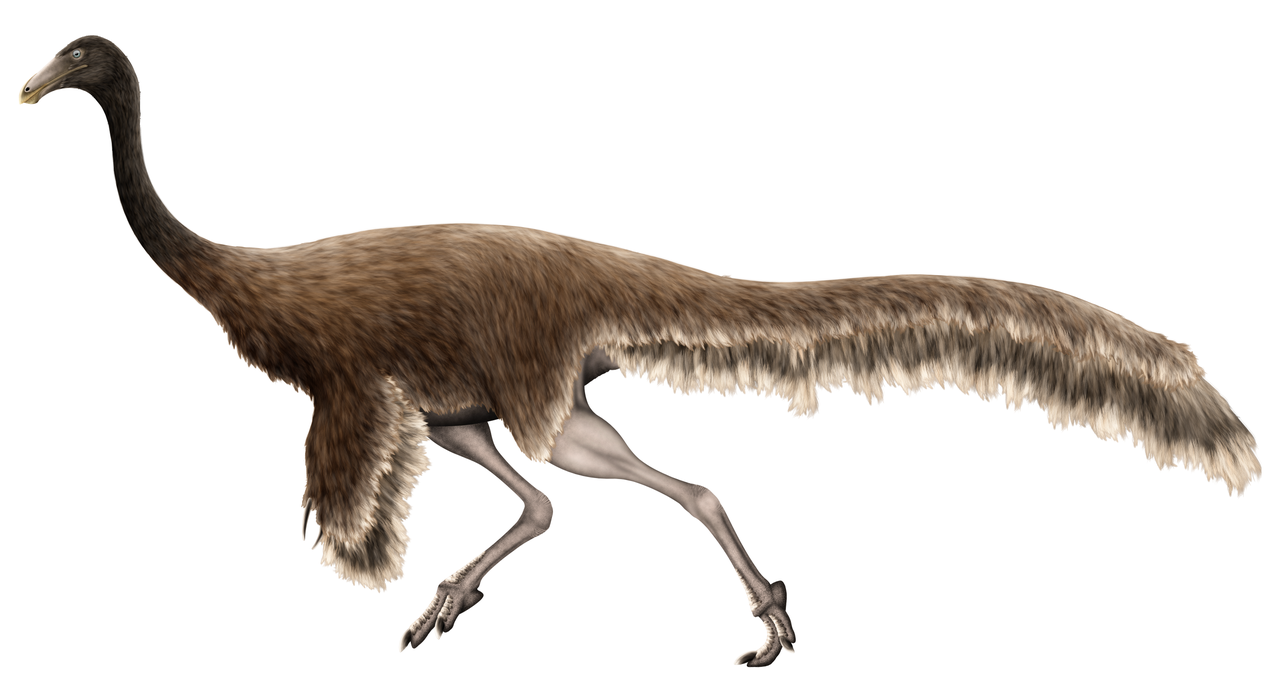
What can be inferred from the preserved fragments indicates a lightly built, bipedal predator typical of small theropods. It was likely agile and carnivorous, hunting small vertebrates or scavenging. Size estimates are imprecise; based on comparisons with better-known small theropods, individuals were probably under three metres in length. Known elements are few and do not preserve a complete skull or full skeleton.
History and classification
The original material was described in the late 1800s and has since been revisited by several workers. The fragmentary nature of the fossils has led to differing opinions: some researchers treat Calamosaurus as a probable coelurosaur or as related to small, basal coelurosaurian theropods, while others consider the genus dubious due to insufficient diagnostic features. It has also been compared and sometimes confused with other contemporary small theropod names from the same region, prompting careful review in catalogues and revisions. For discussions of its original description see historical account and for later taxonomic reviews see modern assessments.
Paleoecology and significance
Calamosaurus lived in a diverse Early Cretaceous ecosystem on the isle now called the Isle of Wight, alongside larger theropods, ornithopods, and armoured dinosaurs. As a small predator, it would have filled a different ecological niche from larger carnivores, contributing to local food webs. Although the genus itself is not well known, its discovery highlights the fragmentary and patchwork nature of the fossil record in that region and period. For broader context on the Isle of Wight fauna consult regional summaries.
Notable facts and distinctions
- Calamosaurus is based on fragmentary remains, making confident identification difficult.
- Its precise family-level placement remains unresolved; suggestions include early coelurosaur affinities or placement near small-bodied theropod groups.
- The genus illustrates common problems in paleontology: incomplete fossils, historical naming, and later re-evaluation; see further reading at review sources and databases at compilations.
Because new discoveries or re-examinations can change interpretations, Calamosaurus remains a subject where future finds could substantially improve understanding of its anatomy and relationships.
Related articles
Author
AlegsaOnline.com Calamosaurus (Early Cretaceous theropod) Leandro Alegsa
URL: https://en.alegsaonline.com/art/16018