
Brindle (coat pattern)
Brindle is a mammalian coat pattern of narrow, often irregular dark stripes or streaks on a lighter background found in dogs, cats, cattle, horses and other animals.
Brindle is a coat pattern in mammals characterized by narrow, subtle streaks or stripes of darker pigment over a lighter ground. The overall effect is sometimes described as tiger-like but much less distinct; the pattern can range from faint shading to high-contrast striping. Animals exhibiting this pattern are commonly called brindled.
Image gallery
9 Images


Appearance and characteristics
Brindle appears in the animal's fur as alternating bands or patches of eumelanin (dark pigment) and the surrounding base color. The stripes are usually vertical or slightly diagonal and vary in width and regularity. In some individuals the pattern covers most of the body; in others it is limited to legs, face or flanks, producing a marbled or brindled look rather than clear stripes.
Where it occurs
- Dogs: Brindling is common in many breeds and varieties; breeders and owners often recognize distinct brindle coats in dogs.
- Cats: A brindled appearance can occur in tabby patterns and in female color mosaics; such patterns are observed in cats.
- Cattle: Some breeds show brindle markings on hides, which can affect hide value and identification in cattle.
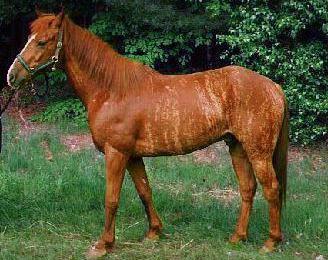
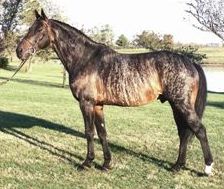
- Horses: Brindle is rare in equines and when present it is notable and unusual in horses.
Genetics and causes
The biological basis of brindle varies by species. In dogs the pattern is often tied to variants at the K locus interacting with other color genes; in cats a brindled or tortoiseshell-like effect may result from X-chromosome inactivation producing mosaic patches of pigment. In other species the mechanism can involve local changes in pigment cell activity, genetic variants controlling pigment distribution, or developmental mosaicism. Regardless of mechanism, the result is juxtaposition of dark and lighter hair pigments rather than a single uniformly colored coat.
Brindle has practical implications for breeders, judges and owners. Breed standards may permit, describe, or prohibit brindle for show registration. The pattern can be useful for individual identification and sometimes provides camouflage. It should be distinguished from similar terms such as merle (a dilution or mottling effect) and classic tabby striping; brindle tends to be a hair-by-hair striping rather than large patches of diluted color.
Notable facts include a higher visible incidence of certain brindled patterns in female cats due to sex-linked pigment genes, and the occasional emergence of unusual or rare brindle forms that draw interest from breeders and geneticists. For further reading consult resources on mammal coat genetics and breed-specific standards: comparative pattern references.
Related articles
Author
AlegsaOnline.com Brindle (coat pattern) Leandro Alegsa
URL: https://en.alegsaonline.com/art/14164