
Hair: structure, types, functions, and cultural uses
Overview of hair in mammals: composition, types (fur, wool, vellus, terminal), growth cycle, functions, evolution, human cultural roles and common uses of hair and fibers.
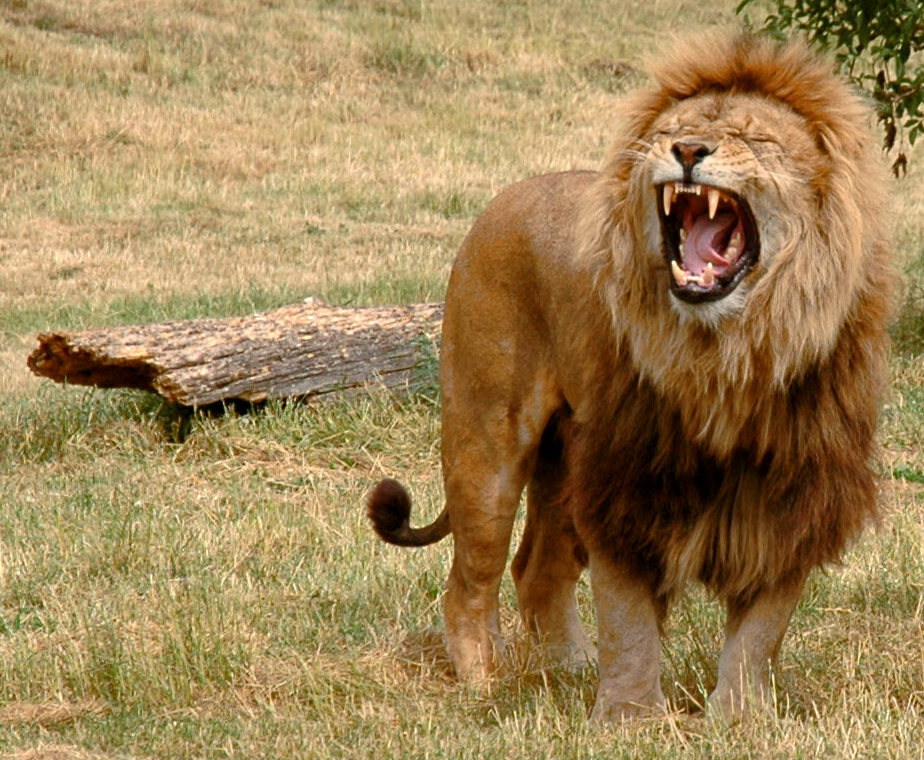
Hair is a filament that grows from the skin of most mammals. It varies widely in thickness, length, color and density and is often described in everyday language as fur when it forms a dense coat. In some species specialized fibers have distinct names: for example, the tightly curled fibers produced by sheep and goats are called wool and are widely used for textiles and insulation.
Image gallery
10 Images




Structure and composition
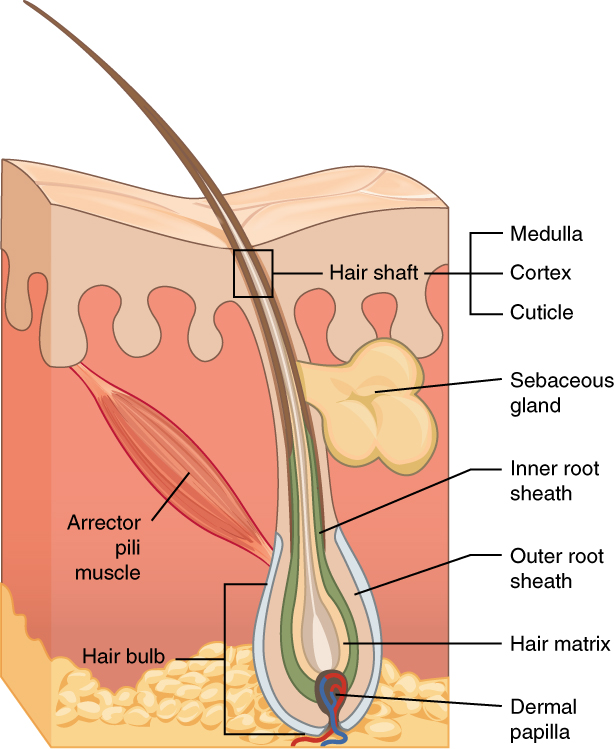
Each hair grows from a follicle embedded in the epidermis and dermis. A visible shaft rises above the skin while a root remains below. Hair is composed mainly of keratin, a family of sturdy fibrous keratins that are a class of proteins. Pigment-producing cells (melanocytes) give hair its natural color by depositing melanin into the growing shaft. The structure of the shaft—cuticle, cortex and sometimes a medulla—affects texture, strength and appearance.
Types and growth
Mammalian hair includes fine downy fibers, short vellus hairs and thicker terminal hairs. Many domesticated and wild animals have coats adapted to their environment: guard hairs repel water and protect the skin, underfur provides insulation, and specialized whiskers serve sensory roles. Hair growth follows cycles known as anagen (active growth), catagen (transition) and telogen (rest); the duration of these phases differs by species and body site.
Functions and variation
Hair serves several biological functions: thermal insulation, protection (for example eyelashes and eyebrow hairs protect the eyes), sensory input (vibrissae or whiskers detect motion), and visual signaling in social or sexual contexts. Some large mammals show extensive hair reduction: humans and certain other animals have relatively sparse pelage compared with fully furred species. Hair reduction and modification have occurred over long periods through evolution. A few animals, such as the elephant and many species of whale, appear nearly hairless as adults.
Beyond biology, hair and hair-like fibers have practical uses: natural fibers like wool are woven into garments and blankets, animal hairs are used in brushes and upholstery, and human hair has been used historically for cords, stuffing, and artistic purposes. Cultural meanings attached to hair are diverse; hairstyle, grooming and adornment can signal identity, status, religion, or fashion across societies.
- Biology: hair develops from follicles and is made of keratinous proteins with a cyclical growth pattern.
- Types: fur, wool, vellus and terminal hairs have distinct roles in protection, insulation and sensation.
- Functions: insulation, protection, sensory functions and visual signaling.
- Human context: cultural significance, cosmetic practice and material uses of hair and fiber.
Common topics related to hair include hair care and hygiene, hair loss conditions, the role of genetics and hormones in hair distribution, and the industrial processing of animal fibers. For readers seeking introductory summaries or further reading, follow relevant sections on skin and mammal anatomy, keratin biochemistry, textile uses of wool and cultural studies of grooming and identity.
Questions and answers
Q: What is hair?
A: Hair is something that grows from the skin of mammals.
Q: What is animal hair usually called?
A: Animal hair is usually called fur.
Q: What is curly hair called in sheep and goats?
A: Curly hair in sheep and goats is called wool.
Q: What is wool used for?
A: Wool is used to make many products, like clothing and blankets.
Q: What is hair made of?
A: Hair is made of keratins, which are proteins.
Q: Which animals have lost much of their hair through evolution?
A: Humans and some other animals have lost much of their hair through evolution.
Q: Which mammals have almost no hair at all?
A: Some other mammals, such as the elephant and the whale, have almost none at all.
Related articles
Author
AlegsaOnline.com Hair: structure, types, functions, and cultural uses Leandro Alegsa
URL: https://en.alegsaonline.com/art/41805
Sources
- commons.wikimedia.org : Hair
- keratin.com : "hair biology - functions of the hair fiber and hair follicle"
- scientificamerican.com : "Why do humans get "goosebumps" when they are cold, or under other circumstances?"
- goaskalice.columbia.edu : "What's the point of pubic hair? - Go Ask Alice!"
- belgraviacentre.com : "The Belgravia Centre"
- hisrad.org : "hisrad.org"
- islamic-laws.com : "BEARD - ISLAMIC - LAWS"