
Book of Jeremiah: Prophet, Text, and Historical Message
An overview of the Book of Jeremiah: its authorship, structure, historical setting, major themes, symbolic acts, textual traditions, and its role in Judaism and Christianity.
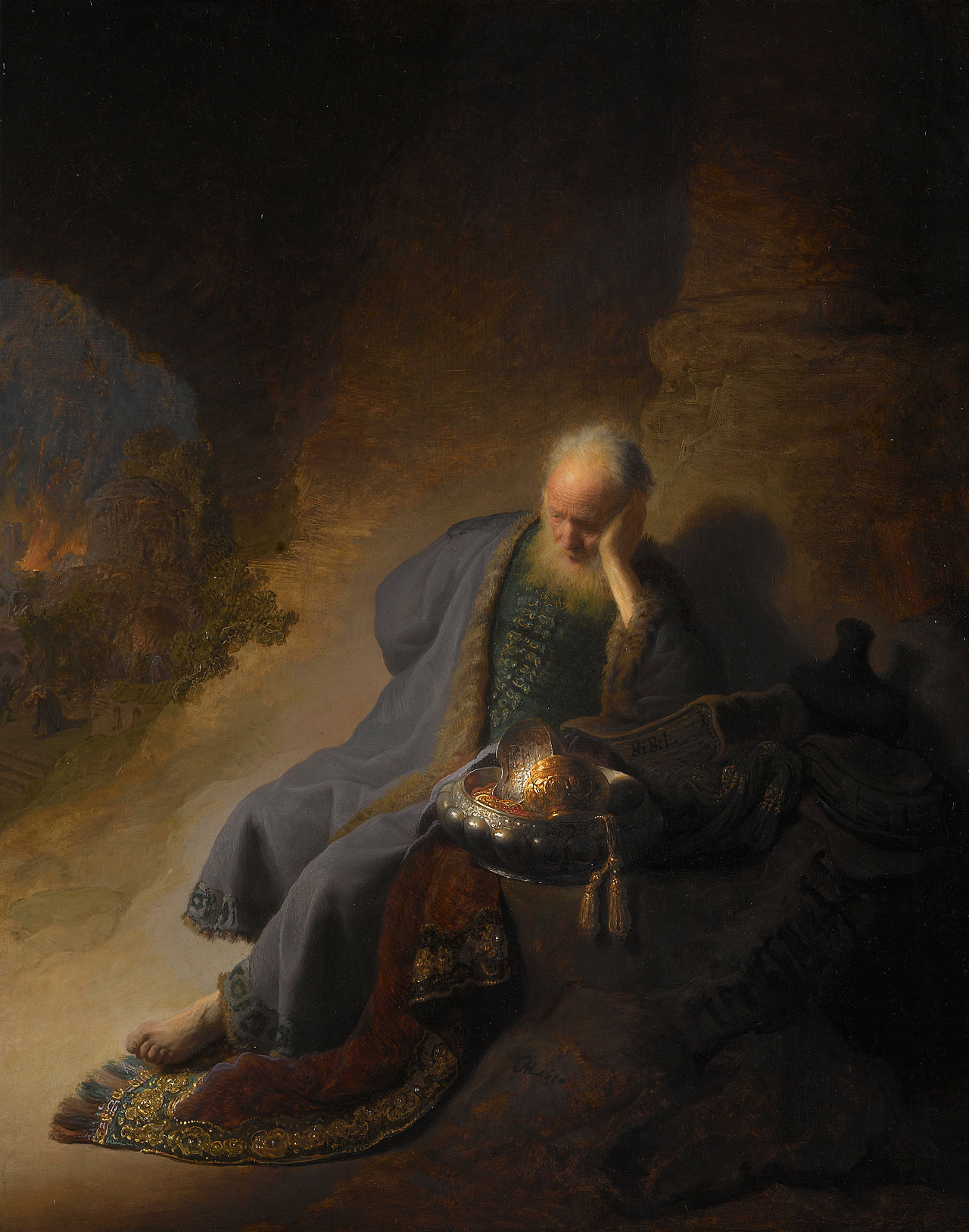
The Book of Jeremiah is a major prophetic work of the Hebrew scriptures traditionally attributed to the prophet Jeremiah (Hebrew name Yirməyāhū). It appears in the Hebrew Bible (Hebrew Bible) and is counted among the Major Prophets in Jewish (Tanakh) and Christian (Christianity) canons of the Old Testament (Old Testament). The book combines oracular poetry, prose narratives, biographical details, and powerful rhetorical speeches to convey warnings, judgments and promises addressed to Judah and the surrounding nations.
Image gallery
6 Images




Overview and central themes
Jeremiah presents a sustained response to a period of political turmoil and spiritual decline in Judah. The prophet proclaims that the calamities that befall the nation are divine judgment for persistent idolatry and social injustice, yet the same prophetic vision includes restoration promises and a future renewal of the covenant. Key theological themes include covenant violation and restoration, theodicy (why God permits suffering), individual conscience versus institutional religion, and the tension between imminent judgment and eventual hope. One of the book’s most cited passages announces a "new covenant" that will write divine law on the hearts of the people, an idea influential in later Jewish and Christian interpretation.
Structure and literary features
Literarily the book is mixed: it opens with a prophetic call narrative and proceeds through long oracle collections, laments, narrative episodes about Jeremiah’s career, and concluding historical material often called a "historical appendix." The text alternates between poetic denunciations and prose reportage, and includes the prophet’s personal reflections and confessions—intimate passages in which Jeremiah describes his struggle with rejection and persecution. The book also preserves dramatic symbolic acts enacted by the prophet to dramatize his message, giving the narrative a theatrical quality.
- Prophetic oracles: formal speeches that pronounce judgment or consolation.
- Laments and confessions: personal poems revealing the prophet’s inner life.
- Narrative episodes: accounts of confrontations with kings, priests and officials.
- Symbolic actions: enacted signs meant to embody prophetic warnings.
Symbolic acts and notable episodes
Jeremiah is famous for several symbolic performances intended to make abstract warnings concrete. Examples commonly noted in the tradition include wearing a wooden yoke to signify servitude to foreign powers, breaking a clay jar to symbolize the finality of impending destruction, refraining from marriage as a sign of coming hardship, and purchasing a field as a gesture of future hope and continuity despite imminent exile. These scenes underscore the immediacy of the prophet’s message and his role as an active witness to history.
Historical context and dating
The prophetic activity attributed to Jeremiah is placed in the late seventh and early sixth centuries BCE, a time when Assyria’s dominance declined, Egypt briefly intervened in the region, and Babylon emerged as the decisive power. Jeremiah’s ministry is often located within the reigns of late Judahite kings such as Josiah and Zedekiah; the period ends with the destruction of Jerusalem and the Temple and the deportations that followed. The book addresses the experience of the Judean community facing exile in Babylon (exile, Babylon) and reflects on regional geopolitics including the fall of Assyria (Assyria) and the military campaigns that led to Jerusalem’s destruction (destruction of Jerusalem) and the loss of the Temple (the Temple).
Transmission, textual traditions and related writings
The book circulated in various textual traditions. Ancient versions preserved in the Hebrew (Masoretic) text and in the Greek Septuagint differ in length and arrangement; the Septuagint tends to be shorter and orders some material differently, a fact important for translators and modern scholars. Jeremiah’s oracles are cited or alluded to in other biblical books and postexilic writings, including references found in Chronicles (Chronicles), Ezra (Ezra) and Daniel (Daniel). The book’s transmission also reflects the involvement of a prophetic scribe, the figure called Baruch (Baruch), who in tradition preserved and sometimes edited Jeremiah’s words.
Religious significance and later interpretations
In Jewish tradition Jeremiah is remembered as one of the great prophets whose words explain the causes and the meaning of exile and who offers consolation and a vision of eventual restoration. In Christian reading Jeremiah’s themes are often interpreted typologically: the suffering and vindication of God’s messenger and the promise of a new covenant have been read as foreshadowing aspects of the life and message of Jesus (Jesus) and echo themes elsewhere in prophetic literature such as Isaiah (Isaiah).
Importance and study
Modern scholarship treats the Book of Jeremiah both as a theological document and as a source for the history of late monarchic Judah. It is studied for its rich language, complex composition history, and insight into how religious communities respond to catastrophe. The book’s combination of urgent public proclamation, private lament, and imaginative symbolic action continues to make it central to discussions of prophecy, justice, and the resilience of religious faith.
For further reading on the book, its historical setting and its reception in later scriptural texts, see related entries and resources that collect textual, historical and theological analyses (Hebrew name, Hebrew Bible context, Jewish canon, Christian reception, Old Testament tradition, Baruch the scribe, exilic community, Babylon, idolatry and covenant breach, Assyrian decline, Jerusalem's fall, the Temple's role, Chronicles references, Ezra, Daniel, Christian typology, parallels with Isaiah).
Related articles
Author
AlegsaOnline.com Book of Jeremiah: Prophet, Text, and Historical Message Leandro Alegsa
URL: https://en.alegsaonline.com/art/12971