
Scribe: roles, history, and legacy of writing specialists
A scribe was a professional reader and writer who recorded transactions, letters and texts. This article explains their duties, historical development, materials, and how the role evolved into modern professions.
Overview
The term scribe refers to a professional who made a living by reading and recording information. In societies with limited literacy, scribes performed essential functions: they copied documents, drafted official letters, kept records, and produced texts for religious or administrative use. Their expertise in reading and interpreting texts and in producing legible writing on durable media set them apart from ordinary citizens.
Image gallery
10 Images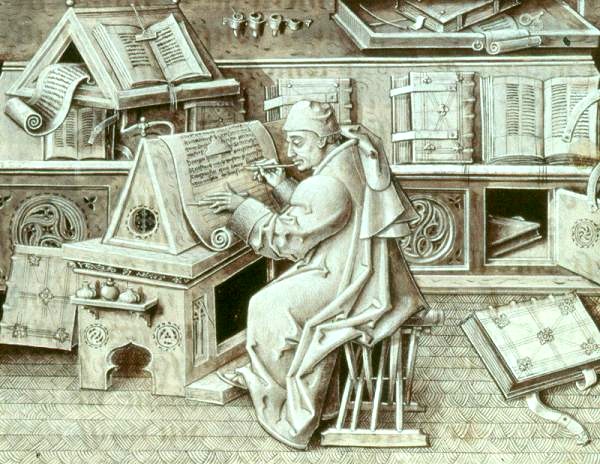


Typical duties and skills
Scribes combined manual skill with formal training. Common tasks included:
- Transcribing and copying manuscripts for legal, religious, or literary use.
- Drafting correspondence and official documents for rulers and institutions.
- Maintaining ledgers and public records for taxation or property.
- Preparing ceremonial and liturgical texts for temples and churches.
Successful scribes needed steady handwriting, knowledge of the relevant language and script, and familiarity with the conventions of record keeping and ceremony.
Historical development
Scribal work is ancient, with origins in early urban civilizations where complex administration required reliable record keeping. Over centuries the role adapted: in royal courts and religious centers scribes documented decrees for kings and rulers and composed correspondence for nobility and aristocrats. During the Renaissance period of renewed literary activity, the importance of accurate copying and careful script remained high as texts circulated more widely.
Materials and training
Training could be formal or apprenticeship-based. Trainees learned particular scripts, abbreviations and citation practices. Tools and materials varied by place and era: clay tablets and styluses in some regions, papyrus or parchment and reed pens in others, and ink formulas adapted to available resources. The physical craft of writing affected how documents were produced and preserved.
Evolution into modern roles
As literacy spread and printing technologies developed, many scribal responsibilities transformed into modern occupations. Functions once performed by scribes became those of secretaries and administrative assistants, clerks handling records, journalists reporting information, accountants keeping financial accounts, lawyers drafting legal texts, and various public servants. The craft also fed into literary careers: some scribes were authors who composed original works or became professional writers once printing spread.
Legacy and distinctions
Although the formal title "scribe" is rare today, the legacy of scribes endures in archives, paleography (the study of historic handwriting), and in institutional record-keeping practices. Their work preserved laws, literature and administrative memory across generations, making them key figures in the transmission of knowledge. Contemporary scholars rely on surviving scribal manuscripts to reconstruct languages, legal systems, and daily life in earlier societies.
Questions and answers
Q: What is a scribe?
A: A scribe is an ancient occupation that involved reading and writing, especially during the Renaissance.
Q: What was the job of a scribe?
A: The job of a scribe was to write letters and historical records for kings, nobility, and temples.
Q: Why was being a scribe an important job?
A: Being a scribe was an important job when few people could read and write.
Q: How did the job of a scribe change over time?
A: Over time, the job of a scribe changed into being secretaries, clerks, public servants, journalists, accountants, and lawyers.
Q: Are there any scribes today?
A: No, there are no scribes today, but there are still authors and writers.
Q: Who did scribes mainly work for?
A: Scribes mainly worked for kings, nobility, and temples.
Q: What did the job of a scribe involve?
A: The job of a scribe involved reading and writing letters and historical records.
Related articles
Author
AlegsaOnline.com Scribe: roles, history, and legacy of writing specialists Leandro Alegsa
URL: https://en.alegsaonline.com/art/88218