
Hebrew Bible (Tanakh): composition, history, and significance
The Hebrew Bible (Tanakh) is the canonical collection of Jewish scriptures—Torah, Prophets, and Writings—primarily in Hebrew. This article explains its structure, languages, textual history, and relation to Christian canons.
Overview
The term "Hebrew Bible" commonly designates the corpus of sacred Jewish writings that together form the foundation of Jewish religious life and much of Christian Scripture. In scholarly and interfaith contexts it is often used as a neutral label for the books that make up the Jewish canon or biblical canon. In Jewish usage the same collection is usually called the Tanakh, an acronym referring to its three major sections.
Image gallery
6 Images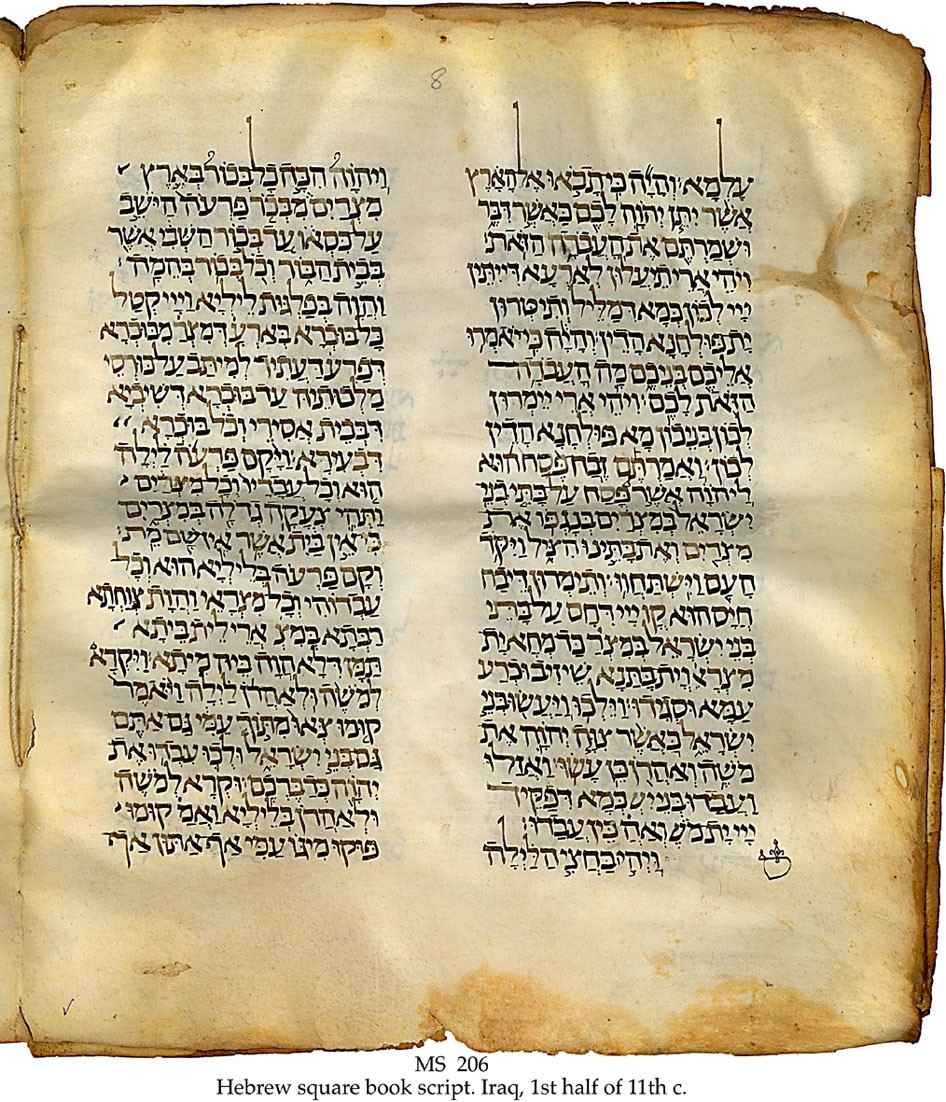



Composition and main parts
The Hebrew Bible is conventionally divided into three groups. These are:
- Torah (the Law or Teaching) — the five books attributed to Moses, which include narratives, legal material and foundational traditions.
- Nevi'im (the Prophets) — historical books and the messages of the prophetic figures.
- Ketuvim (the Writings) — a varied collection including poetry, wisdom literature, and other historical works.
Most of these texts are written in Hebrew, with brief sections in Aramaic. The order and grouping of books in the Hebrew Bible differ from those in many Christian editions, although the underlying texts overlap substantially.
History and textual transmission
The content of the Hebrew Bible developed over many centuries and was transmitted through handwritten manuscripts before the era of printing. Jewish communities preserved a standardized form of the text known as the Masoretic Text, which became the basis for most later editions in Hebrew. Ancient translations, such as the Greek Septuagint, and discoveries like the Dead Sea Scrolls have shown that multiple textual traditions coexisted in antiquity, contributing to modern scholarly study of variants and the history of the text.
Uses, editions, and influence
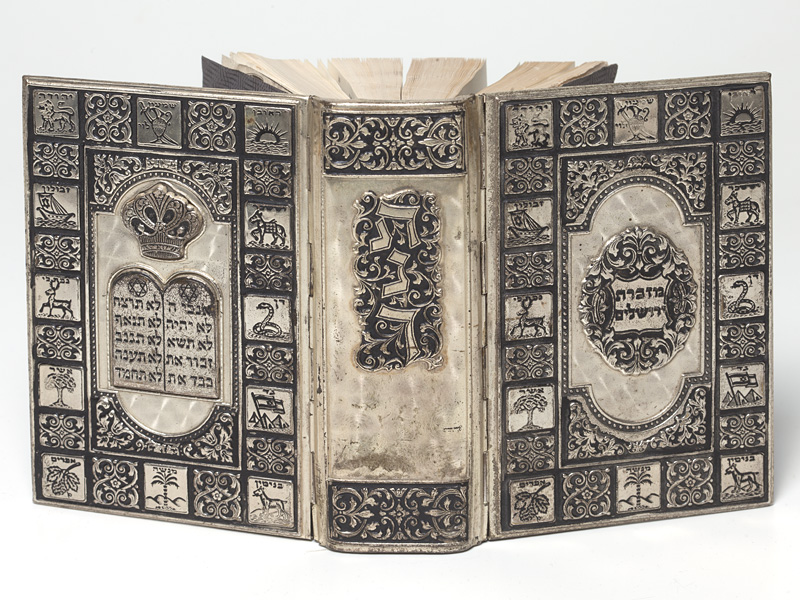
The Hebrew Bible serves as scripture for Judaism and as a central part of Christian Bibles. In academic settings the neutral phrase "Hebrew Bible" is often used to refer to the shared corpus without implying a particular religious ordering or canonical list. Printed scholarly editions of the Hebrew biblical text are sometimes titled Biblia Hebraica and typically present the Masoretic Text along with critical apparatus that records textual variants and notes for study.
Distinctions and common confusions
Although the Hebrew Bible and the Christian Old Testament contain largely the same material, there are important differences in book order, chapter and verse divisions, and in the inclusion of additional books. Roman Catholic and Eastern Orthodox Old Testaments include deuterocanonical books that are not part of the Hebrew canon; Protestant Old Testaments typically mirror the Hebrew Bible more closely in content even when they follow Christian ordering conventions—see Old Testament for further context. The label "Hebrew Bible" emphasizes the textual corpus rather than the theological ordering or liturgical use of the books.
Significance and study
The Hebrew Bible remains a subject of religious devotion, communal practice, and intensive academic research. Its languages, literary forms, legal materials, and religious ideas have shaped Western religious thought, law, and literature. Modern study combines linguistic analysis, archaeology, comparative religion, and manuscript research to understand how the texts were composed, transmitted, and received across different communities and eras.
For guided reading and reference, editions and resources intended for scholarly or liturgical use may be consulted under the historical and textual headings such as Biblia Hebraica. Comparative discussions that relate the Hebrew Bible to Christian canons or to translation traditions often appear under entries titled Old Testament or in studies of the Prophets and Writings. General introductions to the structure and history are sometimes listed with the phrase biblical canon or with subject headings for the Torah.
Because the original languages are central to interpretation, many readers consult editions and tools that present the Hebrew text alongside translations and critical notes; these resources often cite the Masoretic tradition and variant witnesses to illustrate the transmission history and to support careful study of the scriptures.
Related articles
Author
AlegsaOnline.com Hebrew Bible (Tanakh): composition, history, and significance Leandro Alegsa
URL: https://en.alegsaonline.com/art/96243