
Exile: definition, forms, history, and social effects
Exile is forced or voluntary removal from one’s home or country. This article explains types of exile, historical examples, legal context, personal and societal impacts, and distinctions from migration or asylum.
Overview
Exile is the condition of being compelled to live away from one's home, region, or country. It can be enforced by authorities as punishment or security policy, or it can be chosen by individuals who leave in protest or to escape danger. Exile differs from ordinary migration because it implies loss of residence against the person’s will or a deliberate renunciation tied to political or legal circumstances.
Image gallery
6 Images



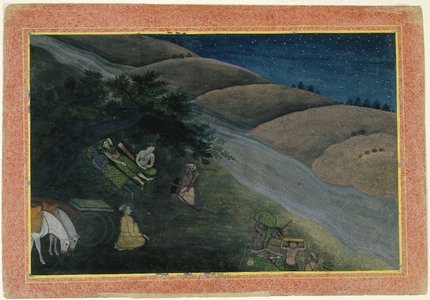
Forms and characteristics
Common categories include:
- External exile: permanent or temporary banishment to another country.
- Internal exile: forced relocation within the same state, often to remote regions.
- Self-imposed exile: voluntary departure for political protest, safety, or conscience.
- Deportation: state-ordered removal following criminal conviction or administrative action.
Exile can involve legal restrictions such as loss of citizenship or a ban on return, and it frequently severs normal social, professional, and family ties. Modern international norms treat arbitrary exile as a human-rights violation; documents such as the Universal Declaration of Human Rights address the right not to be arbitrarily deprived of nationality or expelled from one’s country.
Historical development and examples
Banishment and exile appear across many eras. In ancient and classical societies, exile was an alternative to execution or civil strife. The Hebrew Bible describes the Babylonian exile of the Jewish elite; classical Greece and Rome used exile as a civic sanction. In modern times, political exiles have arrived from revolutions, authoritarian purges, and wars. Examples include the short and later permanent exiles of Napoléon to Elba and Saint Helena, the internal deportations to Siberia under tsarist and Soviet systems, and the refugee flows from 1930s Europe when many fled Nazi persecution.
Legal and political context
Historically a tool of punishment or control, exile today is constrained by international law and human-rights standards. Arbitrary expulsion of nationals is widely prohibited, and the right to seek asylum is a recognized protection against political persecution. Nevertheless, states still use restrictions on movement, revocation of citizenship, or administrative removal in contested ways. Self-imposed exile remains an important form of protest: some public figures refuse to return while autocratic rule continues.
Social and cultural effects
Exile reshapes identities. Individuals in exile may maintain ties through letters, cultural production, or organizations, producing diasporas that influence both origin and host societies. Exiled writers, artists, and political leaders often turn displacement into a theme of creativity and advocacy. At the same time, exile can produce long-term trauma, economic hardship, and legal limbo for families and communities.
Distinctions and notable facts
Important distinctions to remember: exile is not the same as voluntary emigration; asylum is a form of protection rather than continued punishment; and internal exile differs legally and practically from cross-border banishment. Notable historical figures associated with exile include Napoléon and many 20th-century political dissidents, as well as individuals who chose self-imposed exile for moral reasons.
Further reading and references
The following placeholders represent external references and resources for deeper study:
- Reference 1
- Reference 2
- Reference 3
- Reference 4
- Reference 5
- Reference 6
- Reference 7
- Reference 8
- Reference 9
- Reference 10
- Reference 11
- Reference 12
- Reference 13
- Reference 14
- Reference 15
- Reference 16
- Reference 17
- Reference 18
- Reference 19
- Reference 20
- Reference 21
- Reference 22
- Reference 23
- Reference 24
- Reference 25
Questions and answers
Q: What is exile?
A: Exile is when someone is sent away from the country or area where they live, usually for political reasons or because they have committed a crime.
Q: Are people exiled in democratic countries?
A: No, people are not typically exiled in democratic countries.
Q: Who were the Jews exiled to Babylon?
A: The Jews were exiled to Babylon in the Old Testament.
Q: What happened in Ancient Greece and Rome?
A: In Ancient Greece and Rome, people were often sent into exile.
Q: How did Russia/the Soviet Union treat exiles?
A: For several centuries Russia (in the 20th century the Soviet Union) sent many people into exile, often to labour camps in Siberia.
Q: Who was Napoléon Bonaparte and why was he exiled?
A: Napoléon Bonaparte was a famous French leader who was defeated by allied forces and subsequently exiled from France first to Elba and then to Saint Helena.
Q:Who was Pablo Casals and why did he go into self-imposed exile?
A:Pablo Casals was a cellist who went into self-imposed exile as a protest against the government of Francisco Franco. He said he would not come back until Spain was a democracy but unfortunately died two years before Franco's death.
Related articles
Author
AlegsaOnline.com Exile: definition, forms, history, and social effects Leandro Alegsa
URL: https://en.alegsaonline.com/art/32930