
Book of Ezra
An overview of the Book of Ezra: contents, structure, historical context, themes, and its place in Jewish and Christian canons, with notes on authorship and relation to Nehemiah.
The Book of Ezra is a biblical work that recounts the return of many Jews from Babylonian exile and the reestablishment of worship in Jerusalem. It is part of the collections commonly called the Old Testament in Christian Bibles and the Hebrew Tanakh. Ezra focuses on two main periods of restoration: the rebuilding of the temple and the later religious reforms intended to restore covenantal practice.
Image gallery
4 Images


Contents and structure
Ezra is organized roughly into two narrative cycles. The first describes the return under leaders such as Zerubbabel, the rebuilding of the altar and the temple despite local opposition, and the resumption of sacrificial worship. The second centers on Ezra himself, a priest and scribe who arrives later with a mandate to teach and enforce the Torah, leading to reforms aimed at restoring legal observance and communal purity.
Notable textual features include brief Aramaic passages embedded in a largely Hebrew composition, and material that overlaps with the book of Nehemiah. In many Jewish and Christian traditions the two books are closely associated and have been transmitted together in various arrangements.
Historical background and authorship
The events described are set in the sixth and fifth centuries BCE during the Persian period after the fall of Babylon. The narrative refers to Persian royal decrees and named officials; modern scholars debate precise dating and the processes by which the book was compiled. Traditional attribution names Ezra the scribe as a principal figure, but contemporary studies often see the text as the product of later editors who shaped archival materials and community memories.
Themes, purpose and significance
- Restoration: rebuilding sacred space and reestablishing ritual life.
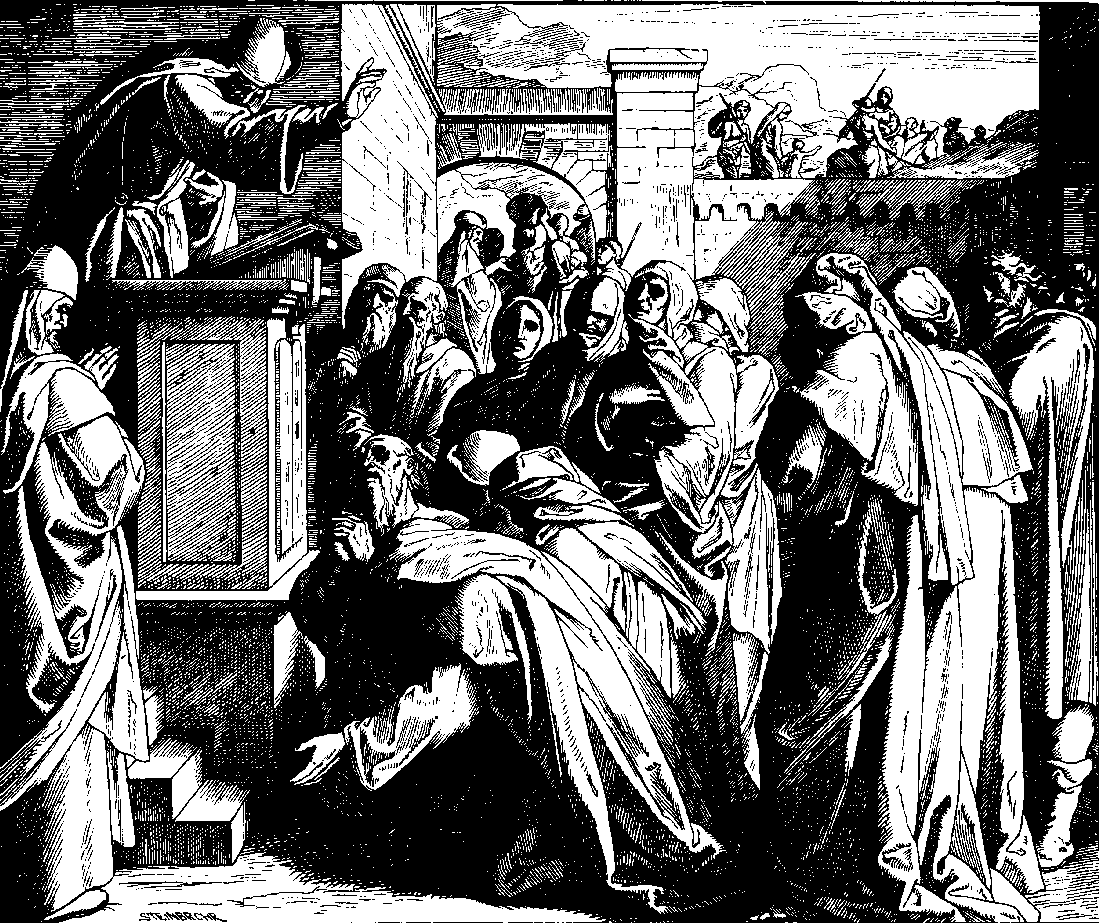
- Authority of the law: Ezra’s public reading of Torah symbolizes a renewed covenantal center.
- Community boundaries: controversies over mixed marriages and foreign influence illustrate concerns about identity.
- Leadership and opposition: narratives emphasize local resistance, political negotiation, and providential outcomes.
For Judaism and Christianity the book has been important in shaping ideas about community renewal, law, and religious leadership. Its combination of historical narrative and legal-religious instruction has made it a central text for understanding how post-exilic Jewish identity developed.
Scholars and readers continue to study Ezra for what it reveals about postexilic institutions, Persian imperial policy toward subject peoples, and the ways ancient communities used sacred texts to rebuild social and religious order. For comparative study, Ezra is often read together with Nehemiah or with parallel accounts in Greek collections.
Related articles
Author
AlegsaOnline.com Book of Ezra Leandro Alegsa
URL: https://en.alegsaonline.com/art/12964