
Old Testament (Hebrew Bible): Overview, Structure, History, and Canonical Differences
The Old Testament, also called the Hebrew Bible, is the collection of ancient Jewish scriptures forming the first part of the Christian Bible. This article explains its contents, history, and differing canons.
Overview
The term Old Testament commonly refers to the set of sacred writings that precede the life of Jesus in the Christian Bible. In academic and interfaith contexts these writings are often called the Hebrew Bible. Within Christianity the Old Testament forms the first major division of the Bible, while in Judaism the same texts are arranged and understood differently. Most members of these faith communities regard these books as authoritative or inspired by God, though interpretations and emphases vary widely.
Image gallery
3 Images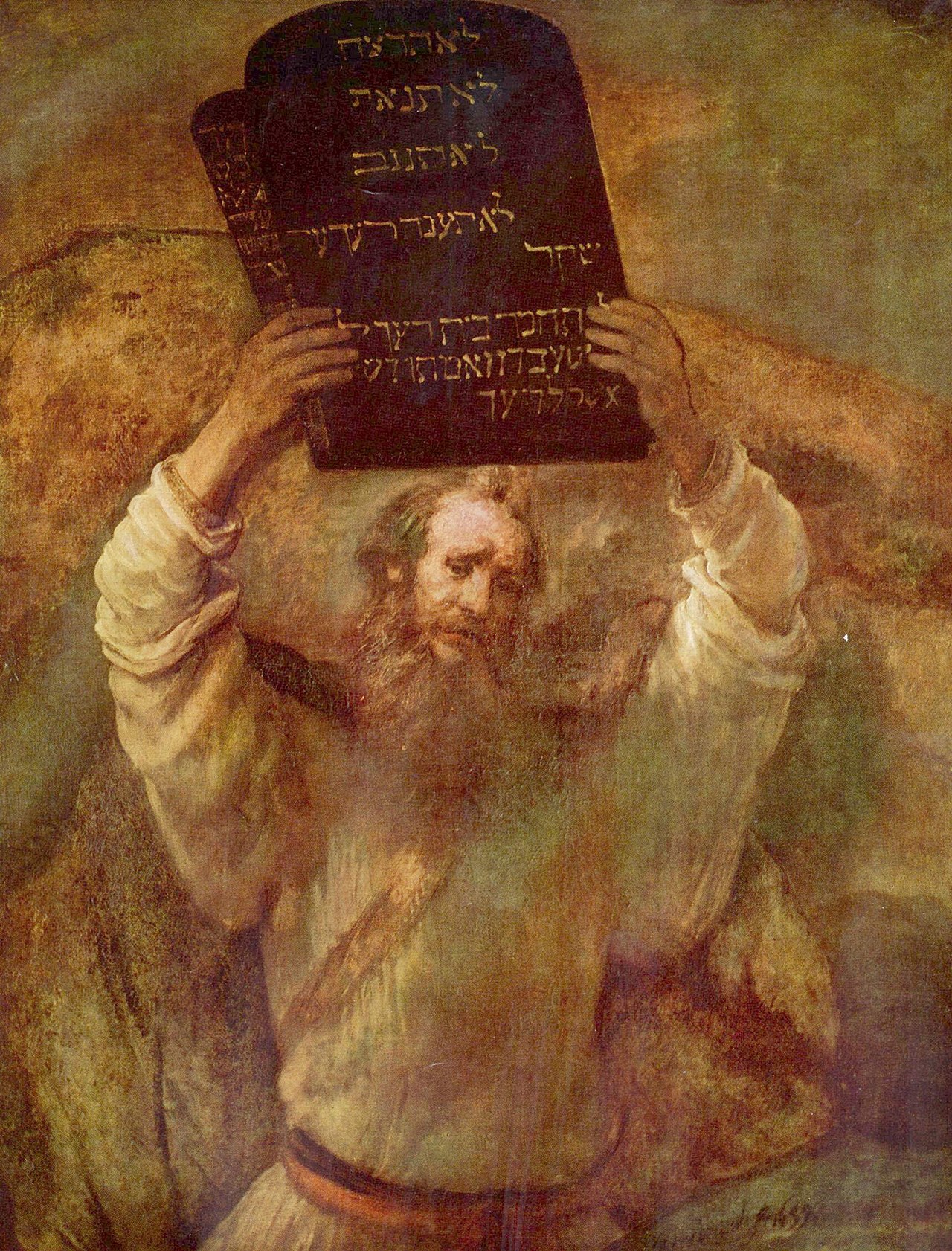


Contents and traditional divisions
The corpus comprises multiple books of various genres: law, narrative history, prophecy, poetry and wisdom literature. A traditional Jewish division groups them into three parts: Torah (the teaching or law), Nevi'im (the prophets) and Ketuvim (the writings). Christian arrangements commonly label broad sections as the Torah, the History of Israel, the Prophets and Wisdom books. These groupings help readers follow legal materials, historical narratives, prophetic messages and reflective literature.
Historical development and the name
The idea of a distinct collection of sacred Jewish texts developed over many centuries. Early Christian writers adopted an explicit contrast between an older covenant and a new covenant, which led to the label "Old Testament." The Latin phrase vetus testamentum appears in early Christian literature; the church father Tertullian is often cited as an early user of the term in the 2nd century. Over time translations and compilations—such as the ancient Greek translation known as the Septuagint and the later Latin Vulgate—shaped how different communities received and ordered these books.
Differences in canonical lists
Not all communities include exactly the same set of books. Three principal families of Old Testament canons are commonly recognized:
- Hebrew/Jewish canon: the books of the Tanakh arranged as Torah, Nevi'im and Ketuvim, used in Judaism and reflected in many modern scholarly editions.
- Protestant canon: generally follows the Hebrew list of books in content though presented in a different order; many Christians in Protestant traditions exclude certain texts treated as deuterocanonical or apocryphal.
- Catholic and Orthodox canons: the Catholic Church historically relies on the Latin Vulgate tradition which includes several deuterocanonical books; the Eastern Orthodox churches often use the Septuagint tradition and retain additional texts in their lists.
Uses, interpretation, and significance
The Old Testament plays multiple roles: it supplies religious law and ritual instruction, recounts communal history of Israel, records prophetic criticism and hope, and offers poetry and wisdom used in worship and personal reflection. For most Jews, these books form the foundation of religious life and law. For Christians they also provide context and theological background interpreted in the light of the New Testament; many Christians read Old Testament texts as part of a two-testament canon.
Notable facts and distinctions
Scholars distinguish textual, historical and theological questions: when individual books were composed, how they were compiled, and how communities decided which writings were authoritative. Translation history—from Hebrew and Aramaic originals into Greek and Latin—has influenced text order, vocabulary and theological emphasis. Readers should note that names, chapter divisions and book orders can differ among editions. For introductions to primary texts and scholarly overviews see general resources and translations provided by academic publishers and religious institutions (Christianity, Hebrew Bible, Bible).
For further reading on historical formation, canonical differences, and major translations consult specialized studies and modern commentaries that address the Torah, the Prophets and the Writings in greater detail; useful starting points include both religious traditions and academic summaries that compare the Torah, the History of Israel, and the Prophets.
Additional contextual resources: the history of the term (see Tertullian), translation traditions such as the Vulgate and the Septuagint, and the different canonical lists recognized by the Catholic Church, Protestant churches and Eastern Orthodox communions. Scholarly and religious introductions often clarify why some books are labeled "deuterocanonical" or "apocryphal" and how those labels developed over time.
Questions and answers
Q: What is the Old Testament?
A: The Old Testament is the first part of the Bible which was completed before Jesus Christ was born. It contains different texts, called "books", about God, and the people of Israel.
Q: Who coined the term "Old Testament"?
A: Tertullian was probably the first person to call these books the "Old Testament". He used the Latin name vetus testamentum in the 2nd century.
Q: How is it divided?
A: The Old Testament can be divided into several sections: Torah, History of Israel, Prophets and Wisdom books. In Judaism, this collection of books is known as Tanakh because it is divided into three parts (Torah, Nevi'im and Ketuvim).
Q: Is it considered holy by some religions?
A: Most Jews and many Christians believe these texts to be holy. According to them, God inspired people to write them.
Q: Are there differences between religious communities regarding what books are included in the Old Testament?
A: Different religious communities include (or exclude) certain books from the Old Testament. The Catholic Church uses Saint Jerome's Latin translation of the Old Testament called Vulgate while Eastern Orthodox church uses ancient Greek translation of Jewish sacred writings called Septuagint. Protestant Bibles stick more closely to books in Tanakh but list them in a different order.
Q: What language does Catholic Church use for its version of Old Testament?
A: The Catholic Church uses Saint Jerome's Latin translation of the Old Testament called Vulgate for its version of Old Testament.
Related articles
Author
AlegsaOnline.com Old Testament (Hebrew Bible): Overview, Structure, History, and Canonical Differences Leandro Alegsa
URL: https://en.alegsaonline.com/art/72304