
Book of Micah: overview, themes, structure, and historical context
Summary of the Book of Micah: authorship, historical setting, literary structure, major themes (judgment, restoration, social justice), and its place in Jewish and Christian canons.
The Book of Micah is a prophetic book found in both the Hebrew scriptures and the Christian Old Testament. It is attributed to the prophet Micah and is placed among the Twelve Minor Prophets. The work combines warnings of judgment with promises of eventual restoration, and it addresses the religious, moral and political life of Judah and Israel. Readers often encounter Micah in discussions of prophetic ethics and Messianic expectations.
Image gallery
6 Images



Authorship and dating
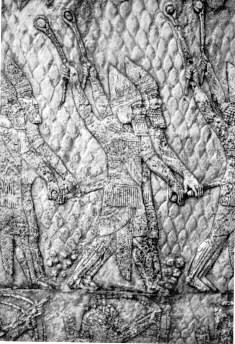
Tradition attributes the book to Micah of Moresheth, a small town in southern Judah. Modern scholarship generally dates the material to the late eighth century BCE, during a period of upheaval when the Neo-Assyrian Empire threatened the small kingdoms of the Levant. Micah is commonly regarded as a contemporary of Isaiah; his ministry is situated in the era of the Judean kings Jotham, Ahaz and Hezekiah. The book’s prophetic voice addresses both local corruption and broader geopolitical dangers.
Structure and literary character
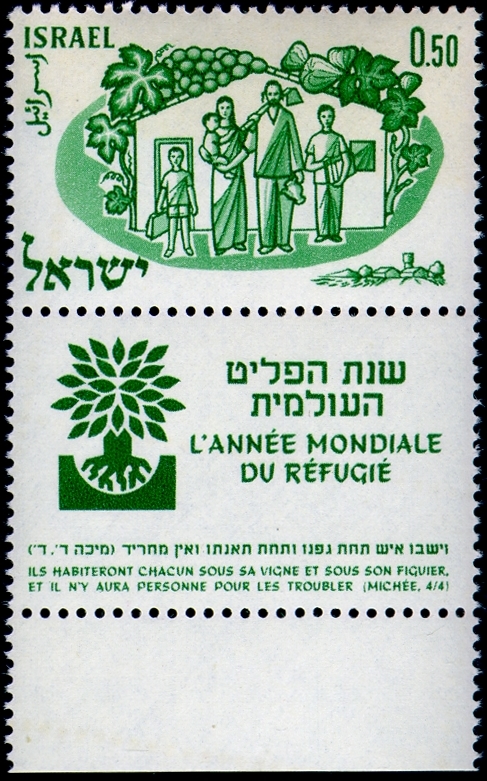
The book is short—seven chapters composed of poetic oracles, laments and courtroom-like speeches. Scholars often describe its composition in alternating sections of condemnation and consolation, arranged roughly in three cycles of judgment followed by restoration. Literary features include vivid imagery, rhetorical questions, legal metaphors (as in covenant lawsuits), and terse prophetic pronouncements. Micah contains memorable lines that summarize prophetic ethics, such as the call to act justly, love mercy, and walk humbly with God.
Major themes and distinctive teachings
- Judgment for social injustice: Micah strongly condemns leaders, prophets and wealthy elites who oppress the poor, exploit the vulnerable and pervert justice.
- Covenant faithfulness: The prophet frames national disaster as a consequence of breaking covenant obligations, especially idolatry and injustice.
- Hope and restoration: Despite stern warnings, Micah offers a vision of renewal in which a righteous remnant is preserved and the community is reconstituted under just leadership.
- Messianic and geographic note: One passage names Bethlehem as a place of future significance; this verse has been read in later Jewish and Christian traditions as linked to leadership arising from humble origins.
Historical context and impact
Micah’s oracles reflect the realities of the eighth century BCE: internal social strain, religious syncretism, and the growing pressure of imperial expansion from Assyria. The prophet interprets military and political crisis in theological terms, seeing foreign invasion as punishment for domestic corruption. Over centuries the book shaped Jewish prophetic thought and influenced Christian readings of prophetic expectation. Its ethical demands—about fair law courts, honest leadership, and care for the poor—have made Micah a frequent source for religious teaching and for social-ethical reflection.
Uses and reception
Within Jewish and Christian communities, Micah is read liturgically and studied for its theological and moral insights. It is cited in discussions of justice, prophetic ministry, and hope amid exile. Scholars and preachers often juxtapose Micah with Isaiah and Hosea to illuminate shared concerns among eighth-century prophets. For further canonical context see the Hebrew scriptures and Christian Old Testament: Hebrew Bible reference and Old Testament reference. For background on the prophet himself consult sources on Micah: Micah the prophet, and for the broader chronological frame relative to later traditions see a general timeline referencing the birth of Jesus: context to Jesus’ era.
Related articles
Author
AlegsaOnline.com Book of Micah: overview, themes, structure, and historical context Leandro Alegsa
URL: https://en.alegsaonline.com/art/12981