
Book of Malachi
A concise encyclopedia entry on the Book of Malachi: its structure, language, historical context, main themes (priests, sacrifices, tithes, the coming messenger), and its later influence.
The Book of Malachi is the final book of the Old Testament in many Christian arrangements and the last of the Twelve Minor Prophets in the Hebrew Bible. Composed in four short chapters (fifty‑five verses in most counts), it presents a series of sharp, prophetic exchanges between God and the people of Israel. The name Malachi derives from a Hebrew word meaning "my messenger," and scholars debate whether this is a proper name or a description of the speaker's role.
Image gallery
5 Images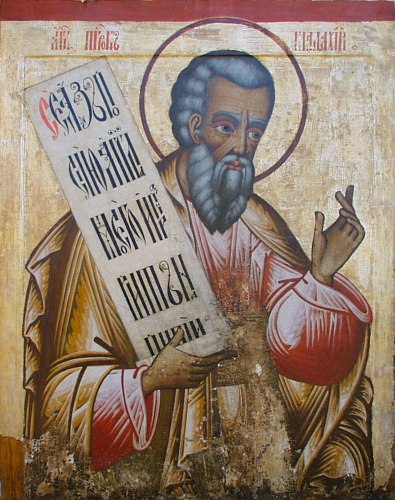


Structure and literary style
Malachi is notable for its disputational or dialogic form: a divine assertion is followed by an objection from the people and then by God’s response. This question‑and‑answer pattern recurs through the book and gives it a compact, forensic rhythm. The work addresses concrete social and religious problems—corrupt priests, inferior offerings, mixed marriages, faithlessness in marriage, and neglect of tithes—while also projecting eschatological hopes about a coming day of reckoning and restoration.
Historical context and dating
The text contains few explicit historical markers, which has produced varying scholarly estimates for its date. Linguistic features and references to a functioning temple point to a post‑exilic context, after the return from Babylon and the rebuilding of the Jerusalem temple. Many scholars situate Malachi in the Persian period, often in the 5th century BCE, close to reforms and concerns associated with figures such as Ezra and Nehemiah. Because of its terse allusions rather than detailed historical narrative, the book is best understood as addressing enduring religious and administrative issues in a community trying to reassert covenant practice.
Main themes and concerns
- Priestly integrity: The prophet criticizes priests who offer defective sacrifices and fail in their duties, arguing that ritual observance must be matched by moral conduct.
- Proper offerings and tithes: The people are rebuked for bringing blemished animals and withholding tithes, a charge tied to economic justice and support for the temple ministry.
- Covenant faithfulness: Issues of marriage, divorce, and intermarriage are discussed in relation to fidelity to the covenant community.
- Day of the Lord and the messenger: Malachi anticipates a purifying day when the proud are judged and a forerunner—identified as a messenger—will prepare the way. The prophet explicitly predicts the return of Elijah before that decisive day.
Key verses and later influence
Certain lines from Malachi have had wide influence. Verses that speak of a coming messenger and of purification are quoted in the New Testament and are central to Christian readings that identify John the Baptist as a prophetic forerunner. Other passages have been frequently cited in preaching about giving and social responsibility. Musical and liturgical traditions have also drawn on Malachi; for example, portions of chapter 3 are used in Handel’s Messiah. The book’s closing promise about Elijah’s return became an influential motif in both Jewish and Christian expectation.
Reception, interpretation, and distinctions
Interpreters have treated Malachi in varied ways: as a late prophetic exhortation to a struggling post‑exilic community, as a handbook for priestly reform, and as a source for eschatological hope. Its concise, sometimes confrontational style sets it apart from longer prophetic books; its persistent concern with ritual correctness connected to ethical behavior makes its message relevant for debates about religious integrity across traditions. For further reference in canonical and historical discussions see the Old Testament context and the practice of the tithe. Connections to the Mosaic law are noted where the prophet calls Israel back to the standards of Moses, and the promise about Elijah is echoed in New Testament passages about Jesus and the role of preparatory figures in the Gospel of Matthew. Early Christian and Gospel writers link Malachi’s "messenger" with John the Baptist, and the promise that a prophet will return before the decisive day is cited in the Gospel of Luke.
As a compact prophetic text, Malachi continues to be read for its ethical demands, its administration of cultic life, and its lasting contribution to messianic and eschatological imagination in later religious traditions.
Related articles
Author
AlegsaOnline.com Book of Malachi Leandro Alegsa
URL: https://en.alegsaonline.com/art/12980
Sources
- youtube.com : youtube.com/watch?v=lh4htls22Cg
- billygraham.org : billygraham.org/decision-magazine/november-2018/are-you-robbing-god/