
Book of Job
A concise encyclopedia entry on the Book of Job: its content, structure, major themes (suffering, justice, divine sovereignty), literary form, history and influence.
Overview
The Book of Job is a book in the canonical scriptures of Judaism and Christianity. Its protagonist is Job, a prosperous man who suffers severe loss and pain. The book explores why righteous people suffer and how to speak of God in the face of suffering. In Hebrew the work is known as איוב, and it appears in collections often identified with the Hebrew Bible or the Old Testament. It is typically classified among biblical works of wisdom and poetry.
Image gallery
10 Images

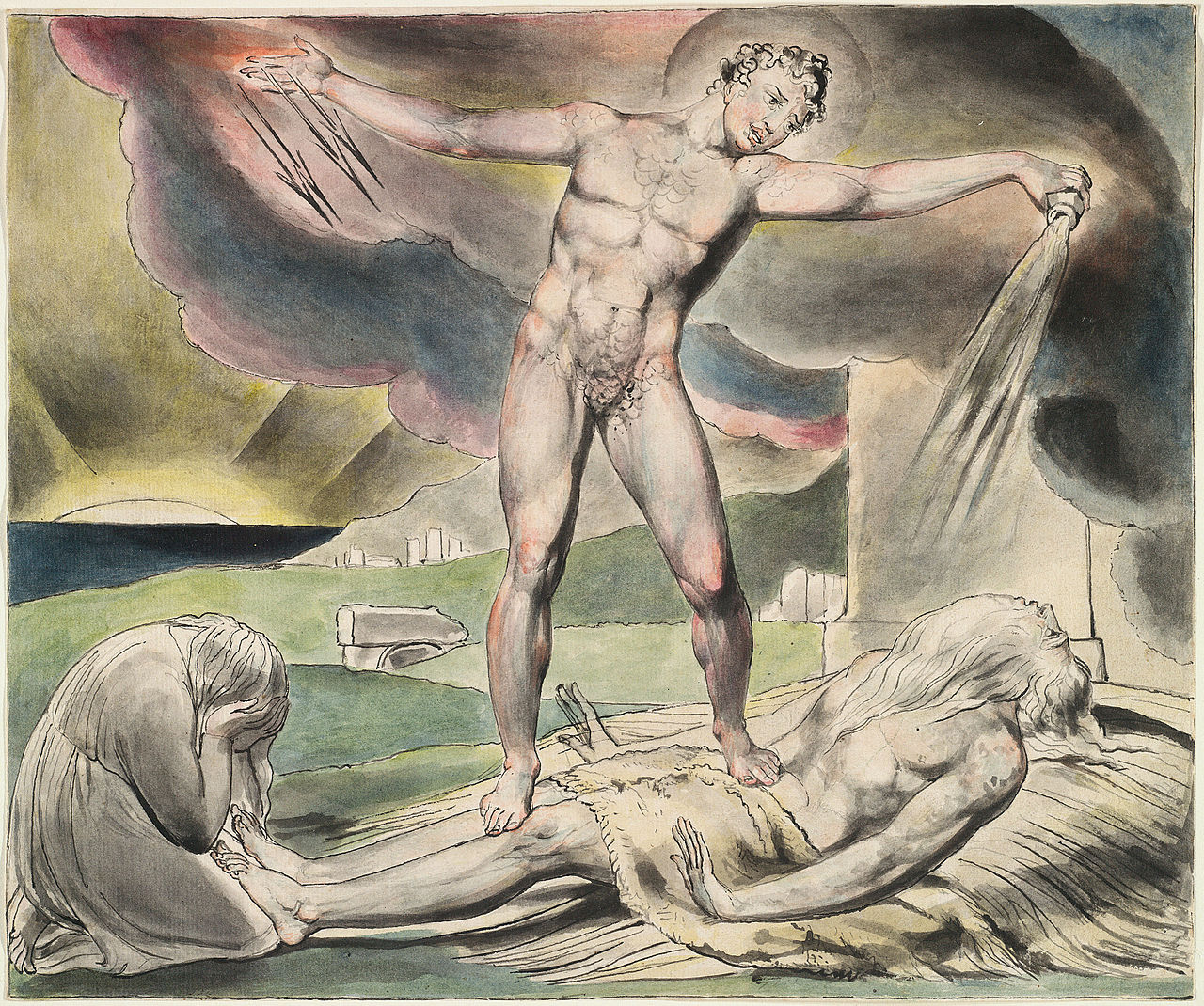


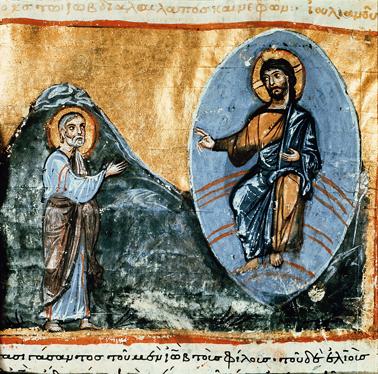
Composition and structure
The book has a distinctive shape: a brief prose prologue and epilogue frame a long central section composed largely in poetic dialogue. That central section contains debates between Job and three friends, an interlude by a younger speaker named Elihu, and two dramatic speeches by God that conclude the dialogue. Scholars regard the mixture of prose and poetry, and the shift in tone between narrative and lyric, as important formal features.
Main characters and contents
- Job — the afflicted central figure.
- Job’s friends (Eliphaz, Bildad, Zophar) — argue traditional views of retribution.
- Elihu — presents a different critique.
- God and the figure called Satan — who appears in the opening heavenly scene.
Themes and significance
Major themes include the problem of evil and suffering, divine justice versus human understanding, integrity and repentance, and the limits of wisdom. The book questions simplistic notions that suffering is always punitive, emphasizing mystery and the inadequacy of human answers when God’s ways are considered. Its speeches also stress divine sovereignty and the complexity of creation.
History, interpretation and influence
Dating and authorship are uncertain; many scholars place composition somewhere in the first millennium BCE. The work has been influential in theology, literature, philosophy and the arts, shaping discussions of theodicy and inspiring poets, painters and thinkers. It is read liturgically and studied for its literary artistry and ethical inquiry.
Distinctive features
- Blend of prose narrative and high poetic dialogue.
- Ambiguous voice — no single doctrine is imposed; readers engage with competing perspectives.
- Vivid cosmological speeches by God, delivered from a whirlwind.
The Book of Job remains central to debates about suffering and meaning, notable both for its dramatic portrayal of a human life under trial and for its enduring questions about justice and faith.
Related articles
Author
AlegsaOnline.com Book of Job Leandro Alegsa
URL: https://en.alegsaonline.com/art/12972