
Book of Lamentations
A concise overview of the biblical Book of Lamentations: its language and structure, themes of sorrow and hope, authorship debate, and its role in Jewish and Christian worship.
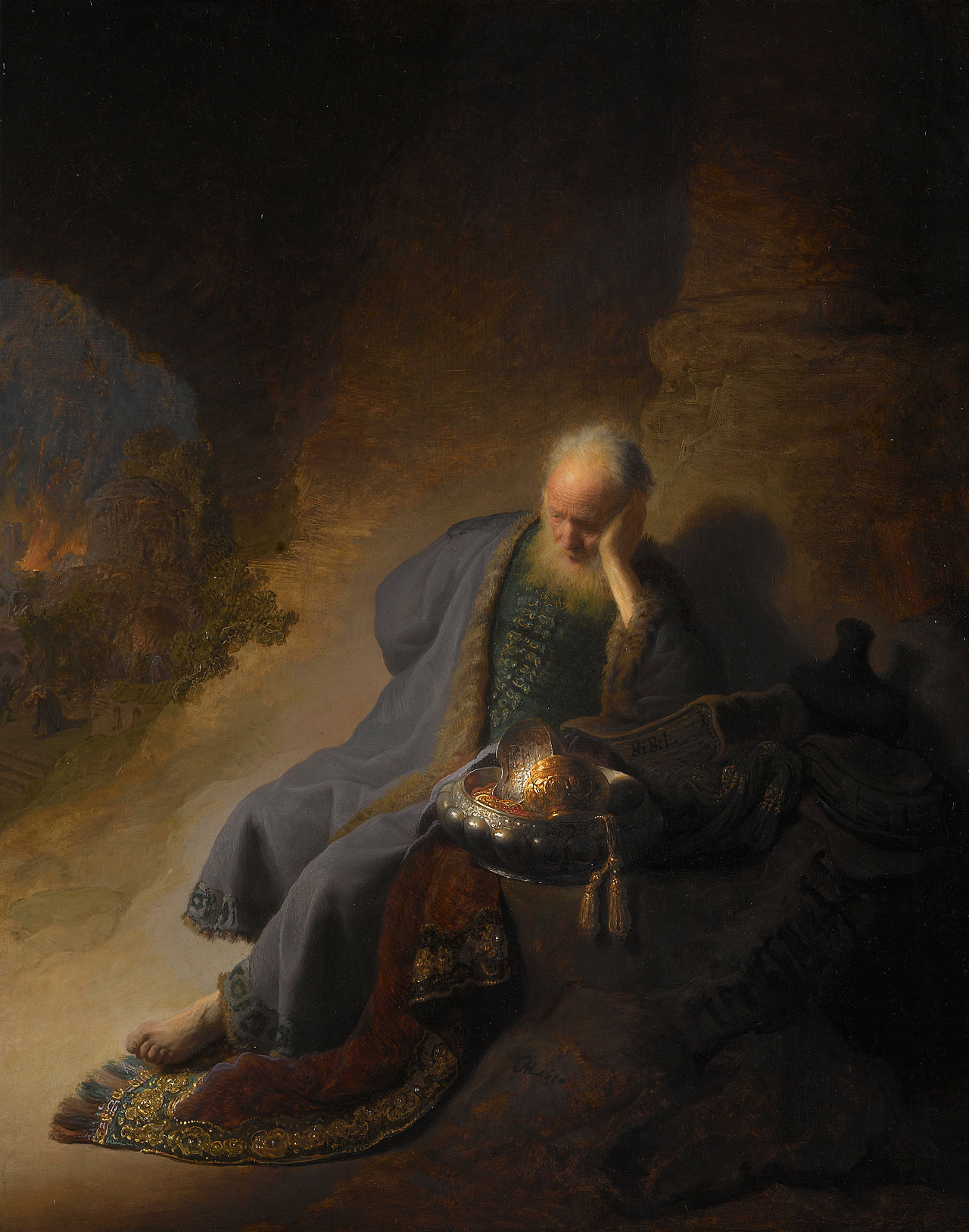
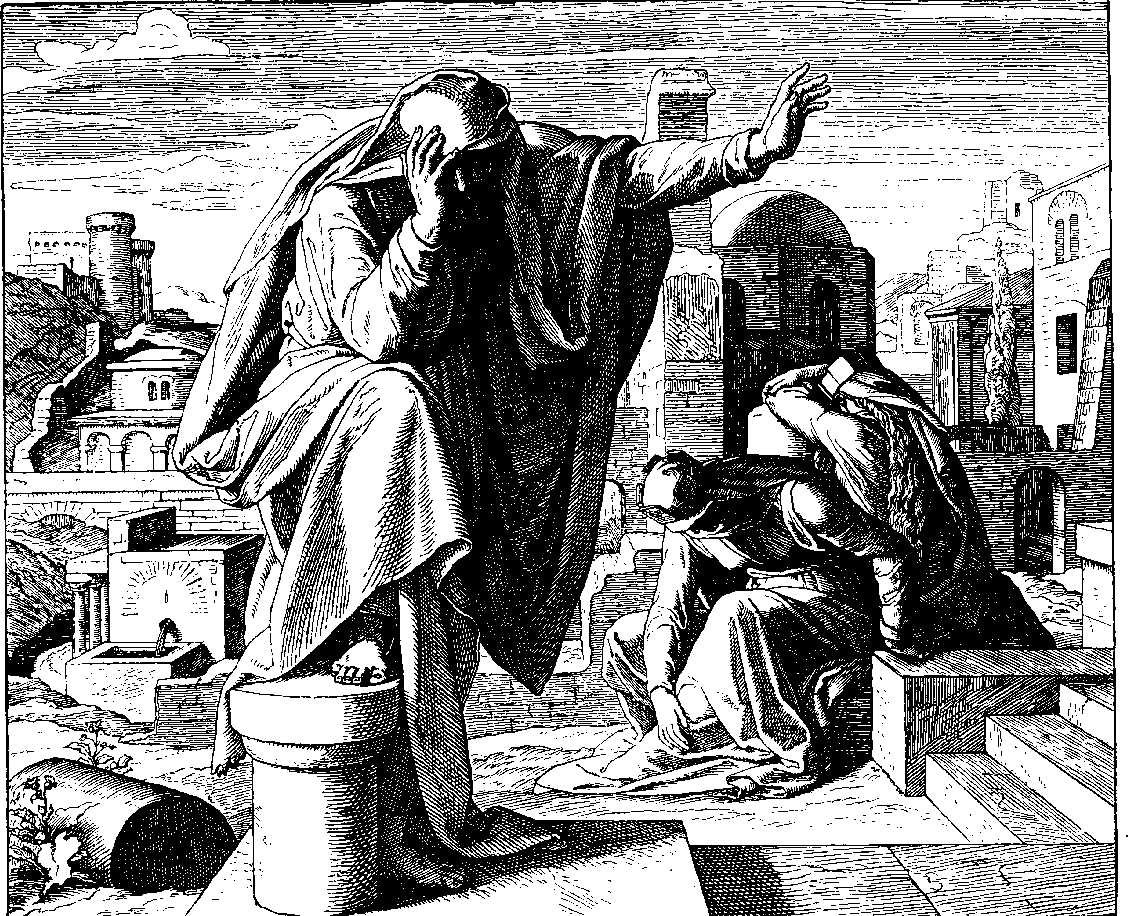
The Book of Lamentations is a short book in the Hebrew Bible that collects mournful poems about the destruction of Jerusalem and the suffering of its people. It appears in Christian Old Testament canons and in the Jewish Tanakh, and is commonly treated as a distinct work after the historical books that recount the fall of Judah. Scholars and religious communities approach it both as a literary composition and as a ritual text for public and private mourning.
Image gallery
7 Images



Language, form, and structure
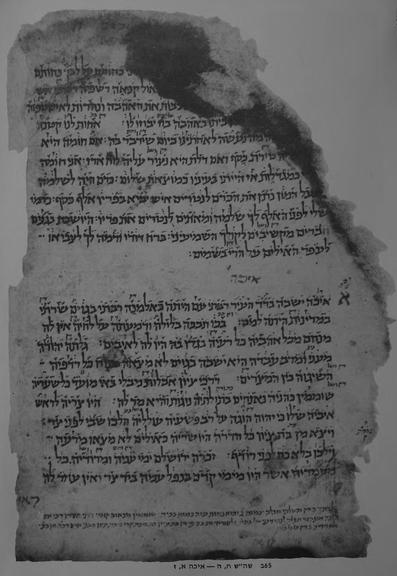
Written in Biblical Hebrew, the book is notable for its compact and deliberate artistry. Much of the material is arranged as an acrostic, a device that uses the letters of the alphabet as an organizing principle. In the original language the first four chapters employ the twenty-two letters of the Hebrew alphabet in sequence: chapters 1, 2 and 4 each consist of 22 verses corresponding to the alphabet, while chapter 3 is built from 66 verses grouped in triplets for each letter. Chapter 5 also has 22 verses but does not follow the strict alphabetic pattern. The alphabetical ordering likely aided memorization and intensified the sense of ordered lament; modern readers often study this feature as a key to the book's compositional technique. For background on the alphabet used here see the Hebrew alphabet overview, and for a discussion of alphabetic verse forms see acrostic poetry.
Themes and theological outlook
At its core, Lamentations expresses grief over catastrophic loss while wrestling with questions of divine justice and human responsibility. The poems convey vivid images of desolation, exile, hunger, and broken social bonds. Yet alongside vivid accusation and sorrow, the text contains appeals to memory and to God’s past deeds. One of the most-cited lines affirms that the mercies of the Lord are renewed daily, a theological counterpoint that tempers despair with a fragile hope; commentators often point readers to reflections on divine mercy and restoration found in the third chapter. The book as a whole does not provide a tidy resolution; it ends on an ambiguous note that has stimulated centuries of interpretation about punishment, repentance, and enduring faith.
Authorship, date, and historical setting
The text itself is anonymous. Jewish tradition long attributed the work to the prophet Jeremiah, and that view was also common in early Christian commentary, but modern scholarship treats the attribution as plausible but not certain. Most scholars situate the poems in the aftermath of the Babylonian conquest of Jerusalem in the early sixth century BCE, when the city and its Temple were destroyed and many inhabitants were exiled. Whether composed by a single voice or compiled from related laments, the collection reflects the experience and imagination of a community confronting catastrophic loss.
Liturgical use and reception
Lamentations has had an active life in worship. In Jewish practice the book is traditionally read on the fast day of Tisha B'Av, which commemorates the destruction of the First and Second Temples and other tragedies in Jewish history. In many Western Christian traditions passages from Lamentations are used in Lenten observances, especially the Tenebrae offices of Holy Week (Tenebrae), and certain readings are appointed in Anglican Holy Week services. In the Coptic tradition the third chapter is chanted during the twelfth hour of Good Friday liturgy, connecting the text to the commemoration of Christ’s burial and sorrowful passion (Coptic chant, Good Friday, burial).
Notable features and study
- Literary craft: the use of acrostic form and varied poetic meters makes the book a frequent subject of literary and philological study.
- Theological tension: the tension between divine judgment and enduring hope has generated extensive commentary from Jewish and Christian interpreters.
- Liturgical adaptability: its plaintive tone and vivid imagery have made it a lasting resource for communal mourning and reflection.
For readers approaching Lamentations today, the text remains a powerful witness to loss and to the human effort to find meaning amid suffering. Its compact chapters continue to be mined for devotional reading, poetic study, and historical reflection.
Further reading and introductions can be found in standard biblical commentaries and in resources that treat Hebrew poetry and ancient Near Eastern laments; see general discussions of the book in canonical contexts such as the Bible, the Old Testament, and the Jewish Tanakh.
Related articles
Author
AlegsaOnline.com Book of Lamentations Leandro Alegsa
URL: https://en.alegsaonline.com/art/12978