
Engelbert Dollfuss: Austrian Chancellor and Architect of the Ständestaat
Overview of Engelbert Dollfuss (1892–1934), Austria's chancellor who suspended parliament, built an authoritarian corporatist state (Ständestaat), banned competing parties, and was assassinated in a 1934 Nazi coup attempt.
Overview
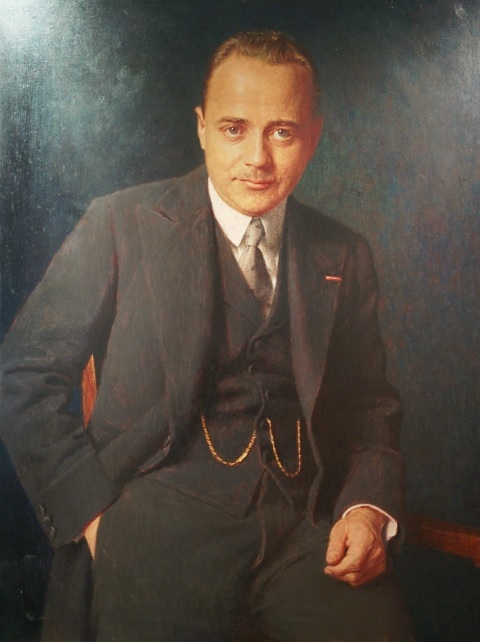
Engelbert Dollfuss (1892–1934) was an Austrian politician who served as Chancellor from 1932 and who, after suspending parliament in 1933, governed by decree and helped create the authoritarian system often called the Ständestaat. His short, contested rule sought to block both left-wing socialism and the rising influence of National Socialism in neighboring Germany. Dollfuss remains a controversial figure: praised by some for resisting Nazi annexation and criticized by others for dismantling democratic institutions and repressing opponents.
Image gallery
6 Images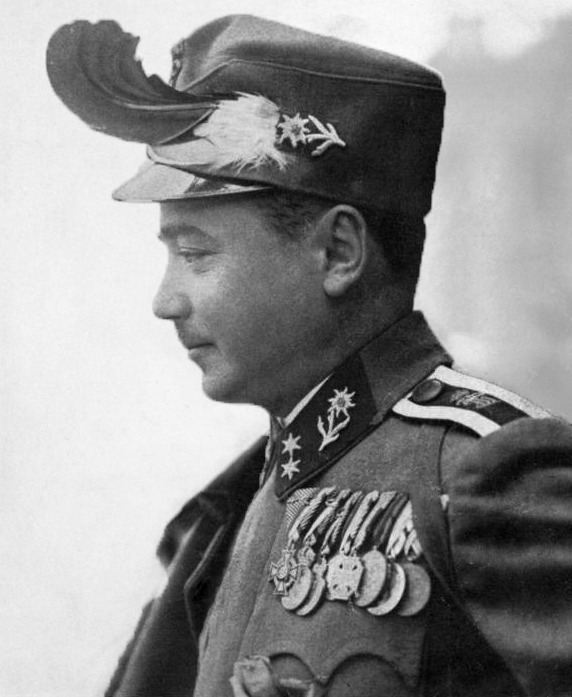



Early life and political rise
Dollfuss trained in law and economics, and his early career combined civil service and conservative Catholic politics. After World War I service in the Alpine front and a brief captivity in 1918, he entered public administration and later the Christian Social Party. He became Chancellor in May 1932 amid severe economic strain and political fragmentation. Faced with weak parliamentary majorities and mounting social conflict, he increasingly turned to emergency powers and executive rule.
Policies, institutions and ideology
From 1933 onward Dollfuss moved to reshape Austria’s political order. He sought a corporatist alternative to both parliamentary liberalism and Marxist socialism, styling the regime as a corporative "Ständestaat" in which occupational and civic groups were to mediate political representation. In practice this involved banning or suppressing major parties and restricting trade union activity. He outlawed the Austrian Nazi Party to blunt Hitler’s influence and later banned the Social Democrats after violent street confrontations.
Repression and organization
To consolidate power Dollfuss fused conservative parties and paramilitary forces into a single pro-regime formation and promoted the Vaterländische Front (Fatherland Front) as a national movement. The Heimwehr, a right-leaning militia, was integrated into the regime’s support structure. Political opponents were detained, press freedoms curtailed, and the legal framework adjusted so that government decrees replaced parliamentary law-making. Critics use the term Austrofascism to characterize the combination of authoritarian nationalism, clerical conservatism, and corporatist institutions.
Assassination and immediate aftermath
On 25 July 1934 Dollfuss was shot during an attempted coup by Austrian Nazis who sought to provoke Anschluss with Germany. The attack on the Chancellery failed to secure control; the conspirators were rapidly suppressed, and Kurt Schuschnigg succeeded Dollfuss as the head of the government. The assassination intensified fears in Vienna of German aggression but did not prevent continued pressure that culminated in annexation in 1938.
Legacy and historical assessment
Historians debate Dollfuss’s legacy. He is sometimes credited with delaying Nazi takeover and defending Austrian independence for a time, while others stress that his anti-democratic methods helped erode civic institutions and contributed to political violence. The period he shaped became a subject of study for scholars of interwar authoritarianism, corporatism, and the collapse of parliamentary democracy in Europe.
Further reading and related topics
- Chancellor (office)
- Austria (country)
- Austrian government, 1930s
- Dictatorship (general concept)
- Legal education and law studies
- Vienna (city)
- Economics studies
- Berlin (city)
- World War I (European conflict)
- Alpine front (military theatre)
- May 1932 (date)
- 1932 (year)
- Right‑wing coalitions
- The Great Depression (economic context)
- Parliamentary majorities (legislative politics)
- Inflation and economic stabilization
- Adolf Hitler (German leader)
- Germany (neighbouring state)
- Vaterländische Front (Fatherland Front)
- Heimwehr (Home Guard)
- Nationalist movements
- 1938 (Anschluss and later events)
- 25 July (date of assassination)
- 1934 (year)
- Austrian Nazi movement
- Chancellery (seat of government)
- Political assassination
- Anschluss (annexation)
- Judicial response to coup attempts
- Kurt Schuschnigg (successor)
Note: This article provides a concise, neutral summary of Engelbert Dollfuss’s life and rule. For archival documents, primary sources and detailed scholarly debates consult specialized works and academic collections.
Related articles
Author
AlegsaOnline.com Engelbert Dollfuss: Austrian Chancellor and Architect of the Ständestaat Leandro Alegsa
URL: https://en.alegsaonline.com/art/118546
Sources
- britannica.com : "Engelbert Dollfuss (chancellor of Austria)"