
Austria: Central European republic — geography, history, culture and government
Austria is a landlocked Central European republic centered on Vienna, known for the Alps, Habsburg history, classical music, and a modern, high‑income economy. Overview of geography, history, politics and culture.
Overview
Austria, officially the Republic of Austria, is a landlocked country in Central Europe. Its capital and largest city is Vienna, a long‑standing cultural and political centre. The modern German name is Österreich, a word descended from the medieval term recorded as Ostarrichi. Basic coordinates are sometimes given as 47°20′N 13°20′E. Austria's population is on the order of several million people and it is generally classed as a high‑income, highly developed country.

Image gallery
10 Images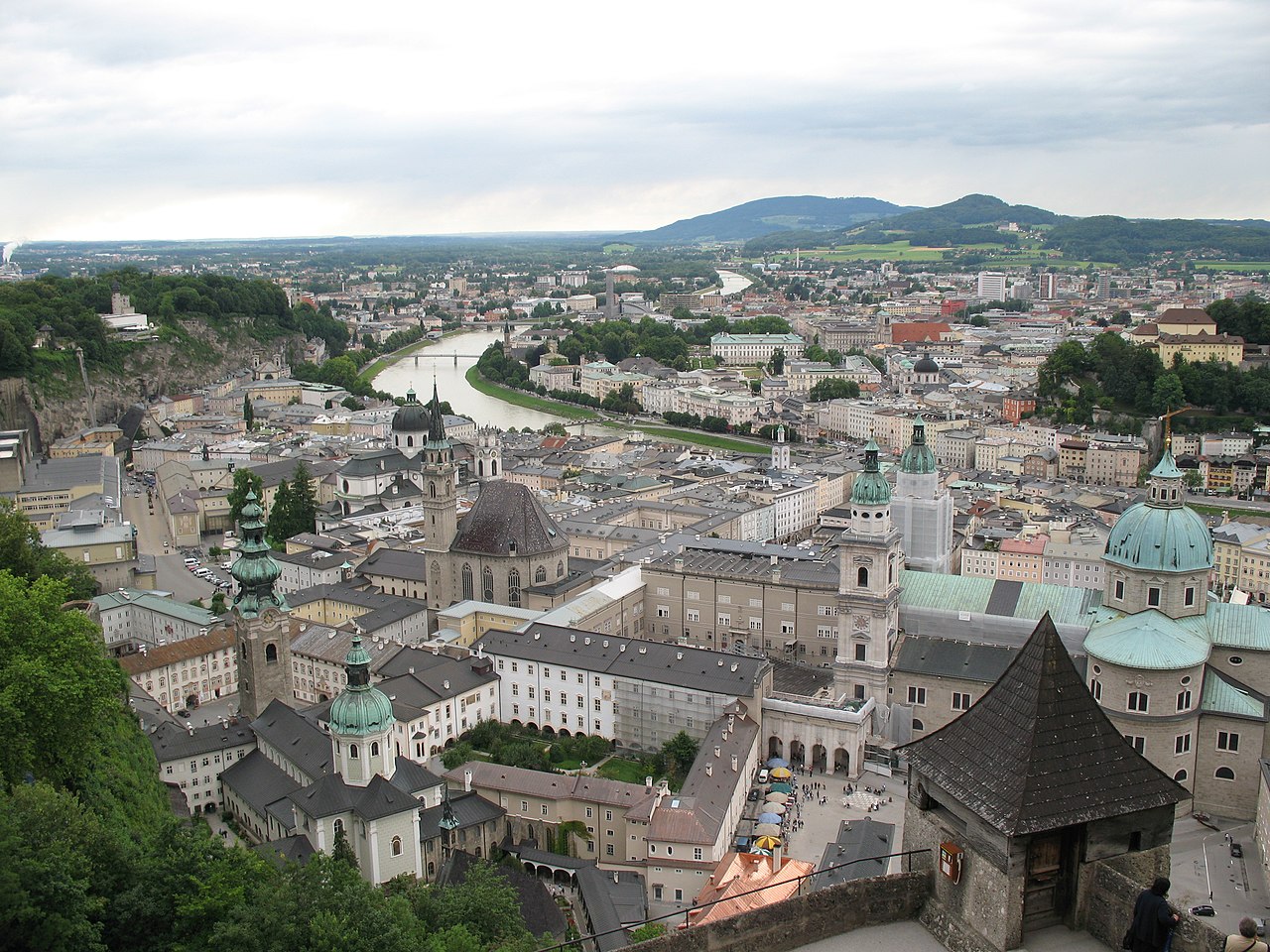


Geography and administrative divisions
Austrian terrain is dominated by the Alps in the west and south and gentler plains and basins in the east. It is bordered by several countries:
The country is divided into nine federal states (Bundesländer) including Vienna, Lower Austria, Upper Austria, Styria, Carinthia, Salzburg, Tyrol, Vorarlberg and Burgenland. The eastern lowlands are important for agriculture and transport, while alpine areas are central to tourism and hydroelectric power.
History — a brief outline
Austrian history stretches from early medieval settlements and the formation of a margraviate, through centuries of Habsburg rule when Vienna was the capital of a major European realm. In the 19th and early 20th centuries Austria was central to the Austro‑Hungarian Empire until its dissolution in 1918. The 20th century brought the First Austrian Republic, the 1938 annexation by Nazi Germany, and post‑war occupation. Austria regained full sovereignty with the 1955 State Treaty and declared permanent neutrality; it joined the United Nations in the 1950s and later became a member of the European Union. It also takes part in many other international organizations.
Language, society and culture
The official language is German; regional and minority languages also appear, notably Hungarian and other recognized minority tongues such as Slovenian and Croatian in border areas. Austria has an outsized cultural reputation due to its contributions to classical music and the arts: composers, architects and intellectuals associated with Vienna shaped European culture for centuries. Traditional cuisine, folk customs and alpine sports remain important to regional identities.
Government, economy and international relations
Austria is a federal parliamentary republic with a president as head of state and a chancellor as head of government. Its economy is diversified: advanced services, manufacturing, tourism, and energy are significant sectors. Austria joined the community of Member States that engage internationally after World War II and maintains close ties with its neighbours and with European institutions. Vienna is also a hub for international diplomacy and hosting international organizations.
Notable facts and distinctions
Austria is widely known for alpine recreation such as skiing and mountaineering, for historic architecture and museums in cities like Vienna and Salzburg, and for a tradition of music ranging from folk to classical. It balances preservation of regional cultures with participation in contemporary European economic and political life. For further reading on geography, history and culture, follow links and sources provided by national and international institutions linked above.
Questions and answers
Q: What are the coordinates of Austria?
A: The coordinates of Austria are 47°20′N 13°20′E / 47.333°N 13.333°E.
Q: What is the official name of Austria in German and English?
A: The official name of Austria in German is Republik Österreich, and in English, it is the Republic of Austria.
Q: Which countries are situated around Austria?
A: The countries surrounding Austria are Germany, Czech Republic, Slovakia, Hungary, Slovenia, Italy, Switzerland, and Liechtenstein.
Q: Who is the current chancellor of Austria?
A: The current chancellor of Austria is Karl Nehammer.
Q: How long has Austria been a member-state of the United Nations?
A: Austria has been a member-state of the United Nations since 1955.
Q: Which languages are spoken in Austria?
A: The people in Austria speak German, with some speaking Hungarian, Slovenian, and Croatian.
Q: How old is Austria?
A: Austria is more than a thousand years old, with its history traced back to the ninth century when the first people moved to the land now known as Austria.
Tags
Related articles
Author
AlegsaOnline.com Austria: Central European republic — geography, history, culture and government Leandro Alegsa
URL: https://en.alegsaonline.com/art/7535
Sources
- medienservicestelle.at : "Kommission für Migrations und Integrationsforschung der Österreichischen Akademie der Wissenschaften"
- statistik.at : "Population by Year-/Quarter-beginning"
- imf.org : "Austria"
- appsso.eurostat.ec.europa.eu : "Gini coefficient of equivalised disposable income (source: SILC)"
- hdr.undp.org : "Human Development Report 2015"
- ris.bka.gv.at : "Regional Languages of Austria"