
Enoch Powell: British politician, classical scholar, and controversial public figure
Overview of John Enoch Powell (1912–1998): his scholarly background, political career with the Conservative and later Ulster Unionist parties, the 1968 immigration speech and his contested legacy.
John Enoch Powell (16 June 1912 – 8 February 1998) was a British public figure known for his career as a scholar, soldier and politician. He combined classical learning and linguistic ability with a high-profile parliamentary career. Powell's name is widely associated with debates over immigration, national identity and free speech in postwar Britain.
Image gallery
7 Images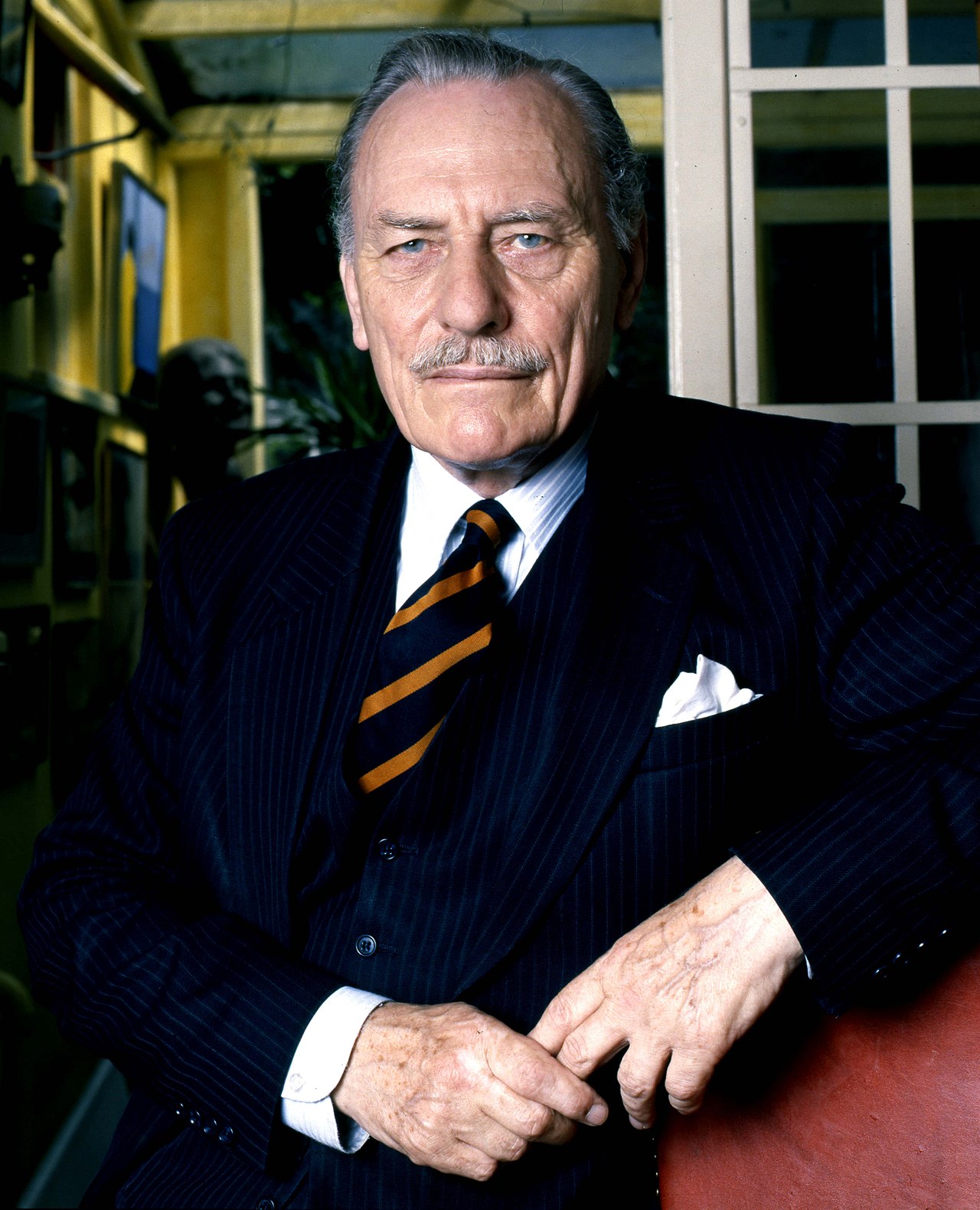


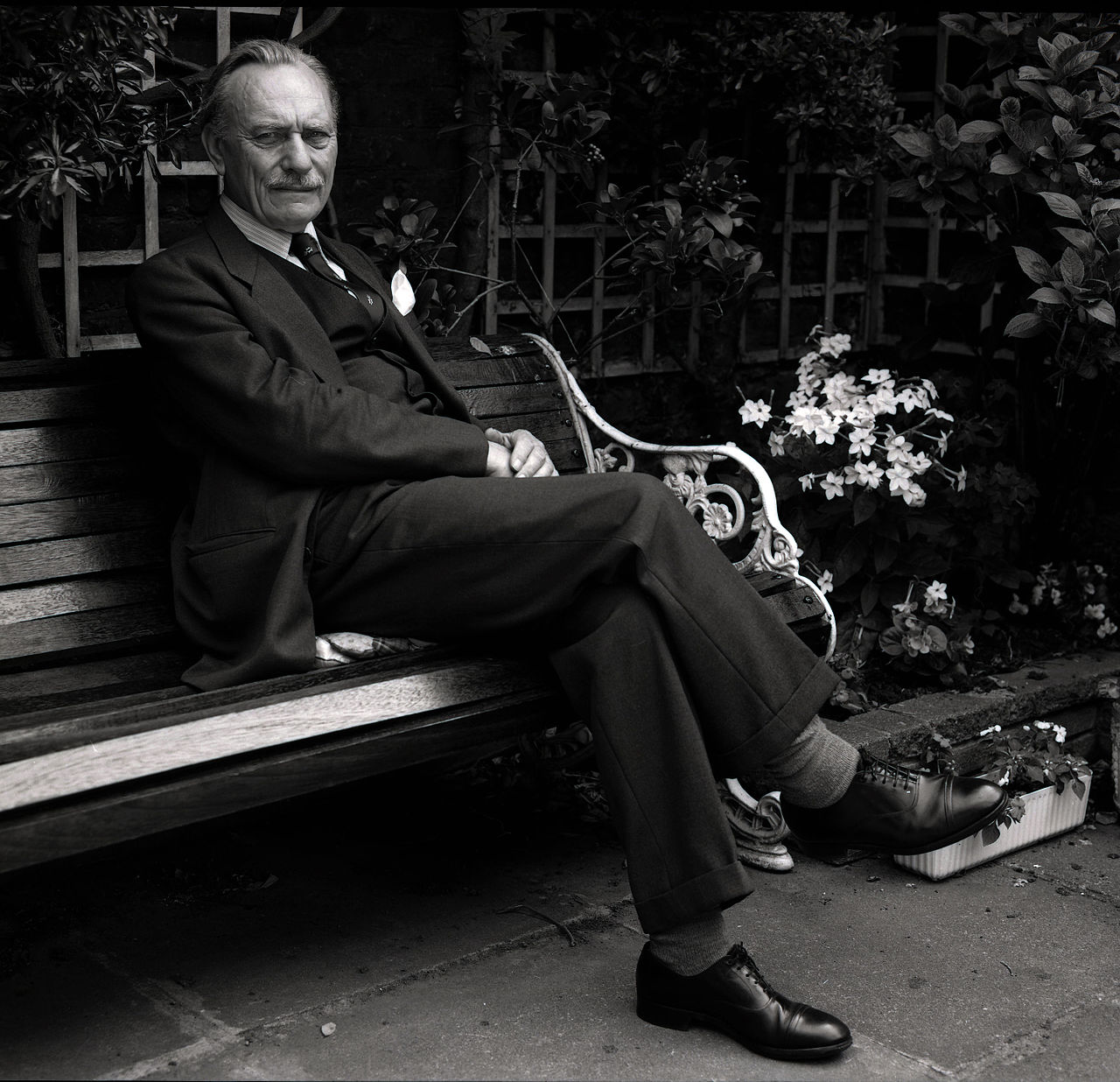


Background and early career
Powell trained as a classicist and gained recognition for his facility with languages and ancient literature. He worked in public service between academic posts and military service in the Second World War. These formative roles shaped his style: precise, erudite and often combative.
Political career and offices
Powell served as a Member of Parliament and held ministerial office during the 1950s and 1960s. He sat for the Conservative Party during much of his Westminster career and later represented the Ulster Unionist cause in Northern Ireland. His political thinking emphasized the sovereignty of the nation-state, economic liberalism in some areas, and a strict view of social order.
- Parliamentary roles: long-serving MP and occasional cabinet-level minister.
- Party affiliation: principally associated with the Conservative Party before moving to the Ulster Unionists.
- Scholarship: noted as a classical scholar and linguist.
Rivers of Blood speech and controversy
Powell became internationally known after a 1968 speech opposing large-scale immigration and government race-relations legislation; the address sparked intense public debate and led to his removal from the party's front bench. Supporters treated him as a principled dissenter, while critics condemned the speech as inflammatory and divisive. The episode remains central to assessments of his impact.
Later life, legacy and assessment
In later years Powell continued to speak and write on political and cultural matters and served as an MP for a constituency in Northern Ireland. He retired from Parliament in the 1980s and died in 1998. Historians and commentators view him as a gifted rhetorician whose contributions to policy discussion were overshadowed by controversy. His career is studied as a case of how eloquence, conviction and polarising views can shape public discourse.
For more on his parliamentary record and writings see resources linked by political historians and archives: biographical summaries, parliamentary records and collected essays offer further context.
Related articles
Author
AlegsaOnline.com Enoch Powell: British politician, classical scholar, and controversial public figure Leandro Alegsa
URL: https://en.alegsaonline.com/art/118554
Sources
- david-griffiths.co.uk : Enoch Powell
- findagrave.com : Powell's grave in Warwick Cemetery