
1938 — key events, context, and notable developments
A concise encyclopedia overview of 1938: its calendar placement, major political events, cultural and scientific moments, and notable births and deaths that shaped the late 1930s.
1938 was a year often remembered for accelerating tensions that led to World War II, as well as for cultural and scientific developments in the late 1930s. In calendar terms it is written in Roman numerals as MCMXXXVIII and is identified within several chronological systems and groupings used by historians and reference works.
Image gallery
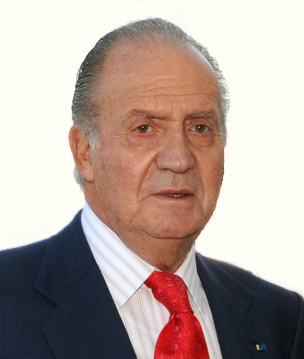
10 Images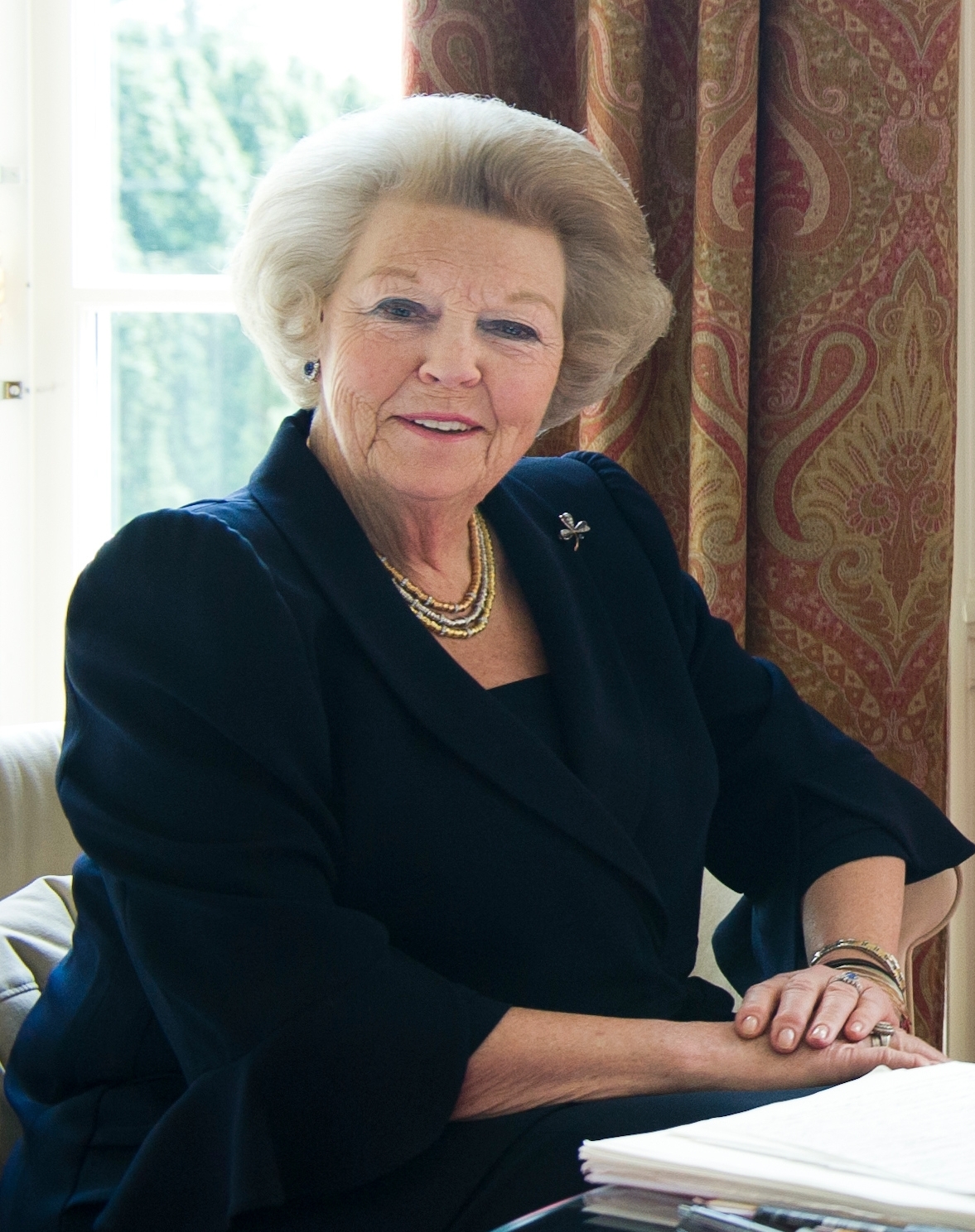





Calendar and numbering
As a civil year it is commonly described with several conventional labels. It appears as MCMXXXVIII in Roman numerals, was a common year beginning on Saturday of the Gregorian calendar, and is part of the Common Era / Anno Domini chronological frameworks. It lies in the second millennium, the 20th century, and the 1930s decade.
Major political and international events
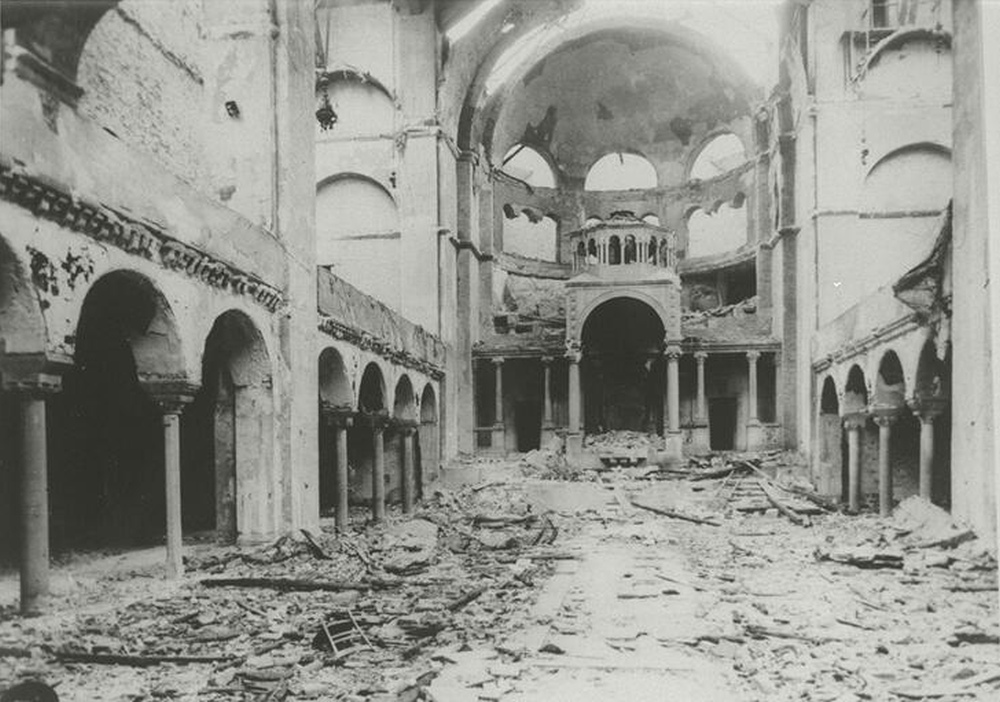
The year saw important geopolitical shifts and crises that reshaped Europe and other regions. Several states pursued aggressive territorial or diplomatic policies that heightened international tension. Responses from other governments, including negotiations and concessions, were widely reported and later analyzed as part of the period's appeasement debates. Significant episodes of repression and discrimination also occurred during the year and prompted both domestic and international reaction.
Culture, science, and society
Alongside political turmoil, 1938 produced notable cultural output in literature, film, music and the visual arts, reflecting both modernist experimentation and popular tastes of the era. Scientific work continued despite political strains: research in physics, medicine and technology progressed and some developments laid groundwork for wartime and postwar advances. Everyday life showed a mix of economic recovery in some regions and ongoing hardship in others.
Notable examples and legacy
- Diplomatic agreements and conferences from the year have been the subject of extensive historical study and are often cited in discussions of international relations and the limits of negotiation.
- Instances of political persecution and civil-rights abuses attracted attention at the time and have influenced later human-rights scholarship and commemoration.
- Works of art, films and books created or first published in 1938 continued to be read and screened in subsequent decades, shaping cultural memory.
Reference points
The year is commonly used as a chronological marker in biographies, diplomatic histories and cultural studies. For a concise set of identifiers and technical labels related to the year see the links above: roman notation, calendar type, weekday start, calendar system, era label, AD label, millennium, century and decade.
This overview provides a starting point for exploring the year's complex political events, its contributions to culture and science, and its continuing significance in historical study.
Questions and answers
Q: What year is being described in the text?
A: The year being described in the text is 1938.
Q: What calendar system is this year from?
A: This year is from the Gregorian calendar.
Q: How many years have passed since the beginning of the Common Era (CE)?
A: 1938 years have passed since the beginning of the Common Era (CE).
Q: How many years have passed since the start of the 2nd millennium?
A: 938 years have passed since the start of the 2nd millennium.
Q: What decade does this year fall into?
A: This year falls into 1930s decade.
Q: How many years are there in a decade?
A: There are 10 years in a decade.
Q: What century does this year belong to?
A: This year belongs to 20th century.
Related articles
Author
AlegsaOnline.com 1938 — key events, context, and notable developments Leandro Alegsa
URL: https://en.alegsaonline.com/art/111977