
Dictator: definition, characteristics, history and distinctions
An overview of the term dictator, its modern and historical meanings, typical features, routes to power, and how it differs from monarchs and other rulers.
A dictator is a political leader who holds concentrated authority over a state and exercises power with few effective legal or institutional limits. In modern usage the term commonly describes a person who governs a country without meaningful checks, often relying on force and fear to deter rivals and maintain authority. A dictator typically controls or overrides ordinary laws, institutions and channels of representation; a polity so ruled is frequently called a dictatorship.
Image gallery
5 Images


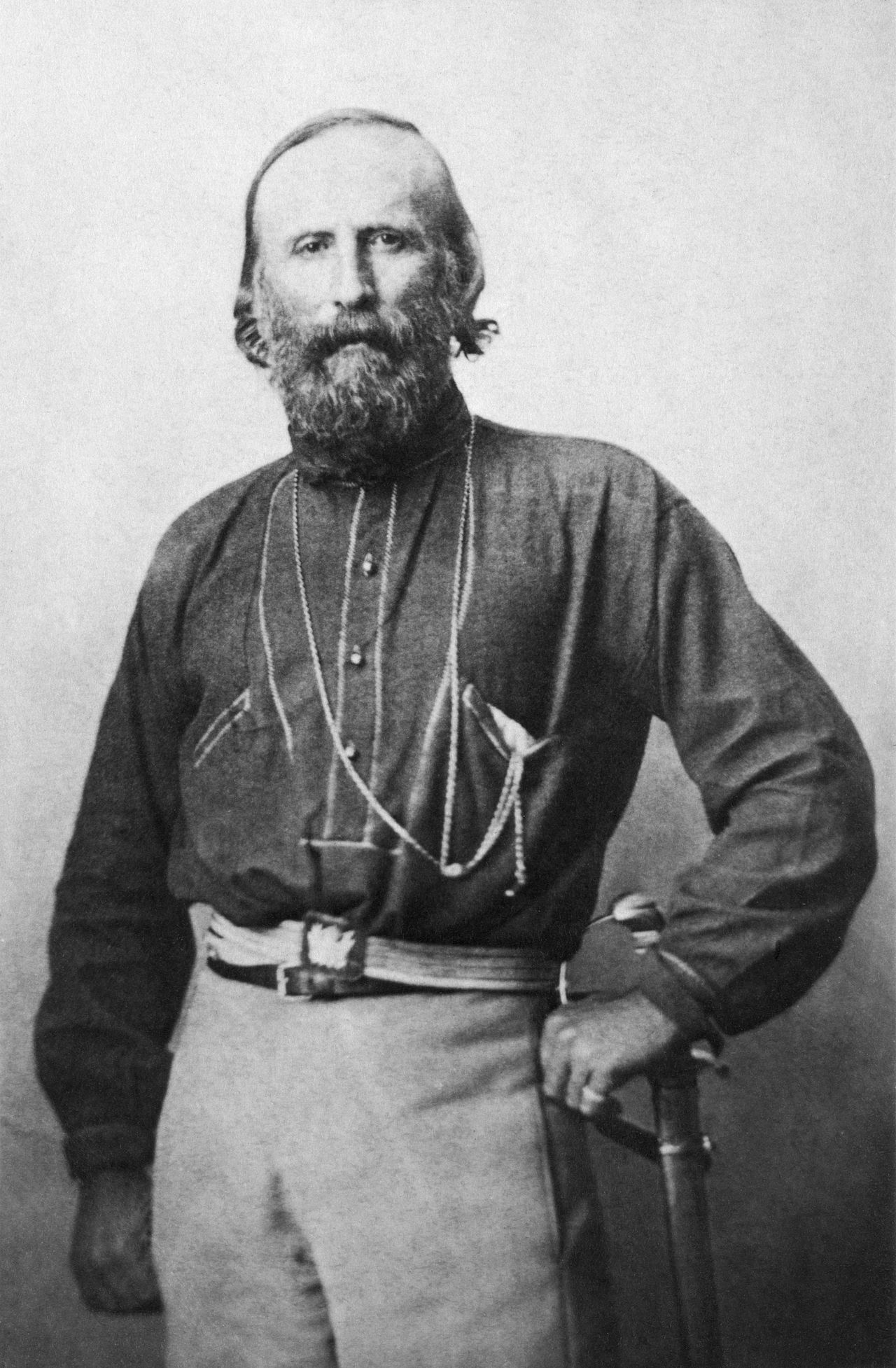

Typical characteristics
- Centralized executive power concentrated in a single person or a small clique rather than plural institutions.
- Control of security forces (police, military, intelligence) that can be used to suppress opposition.
- Weak or subordinated judicial and legislative branches, and limited independent media or civil society.
- Use of emergency measures, legal changes, or propaganda to justify extended rule.
- Patronage networks and economic privileges that secure elite support and deter defections.
Not every leader who exercises strong control is labeled a dictator in all contexts; scholarly and popular usage depends on the degree of institutional constraint, the presence of elections or parties, and the leader's methods of maintaining power.
Origins and historical development
The word itself has a distinct origin in the ancient Roman Republic, where a magistrate called a dictator could be appointed temporarily to handle a grave emergency. That office was constrained by time and purpose: it was meant to be short-lived and accountable. Over centuries the term shifted in meaning, and the modern sense — an autocratic ruler who governs without effective constraints — became dominant. A famous historical figure associated with the title in Rome is Julius Caesar, whose assumption of extraordinary power helped change the Roman state and influenced later perceptions of personal rule.
Routes to power
- Violent seizure such as a coup d'état, often led by military officers.
- Revolutionary takeover in which a movement overthrows an existing regime and concentrates authority (revolution).
- Electoral victories followed by weakening or elimination of competitive processes, manipulating elections or legal frameworks (election).
- Gradual erosion of checks and balances by an incumbent who accumulates powers over time.
Different paths produce different forms of dictatorship: military regimes, single-party states, and personalist autocracies each have distinctive structures and vulnerabilities.
Distinctions from monarchs and other rulers
Although monarchs such as a king or an emperor may exercise broad authority, rulers who inherit their position are often categorized differently from dictators because hereditary succession and dynastic continuity supply an alternative source of legitimacy. Monarchs and monarchs historically belonged to established institutions; dictators commonly create or transform offices to justify their rule.
Scholars distinguish dictators from authoritarian leaders who face institutional constraints or elections that are at least somewhat competitive. In practice the labels overlap: some leaders begin as elected officials and then close off competition, while others claim emergency powers or argue that centralized control is needed for stability or reform.
Consequences of dictatorship vary. Some autocratic regimes deliver short-term stability, rapid policy implementation, or economic modernization; many, however, are associated with human-rights violations, repression of dissent, weakened rule of law, and long-term political instability when succession is contested. Understanding dictatorships requires attention to how power is obtained, exercised and institutionalized, and to the social and international contexts that sustain or challenge concentrated rule.
For concise introductions and historical examples, see further general resources and surveys that discuss the Roman precedent, modern coups, and comparative studies of dictatorship and authoritarian government (king, emperor, revolution, election).
Related articles
Author
AlegsaOnline.com Dictator: definition, characteristics, history and distinctions Leandro Alegsa
URL: https://en.alegsaonline.com/art/27229