
Execution (capital punishment)
State‑authorized killing as punishment for certain crimes; covers legal procedures, methods, historical development, international trends, and principal ethical and legal debates.
Overview
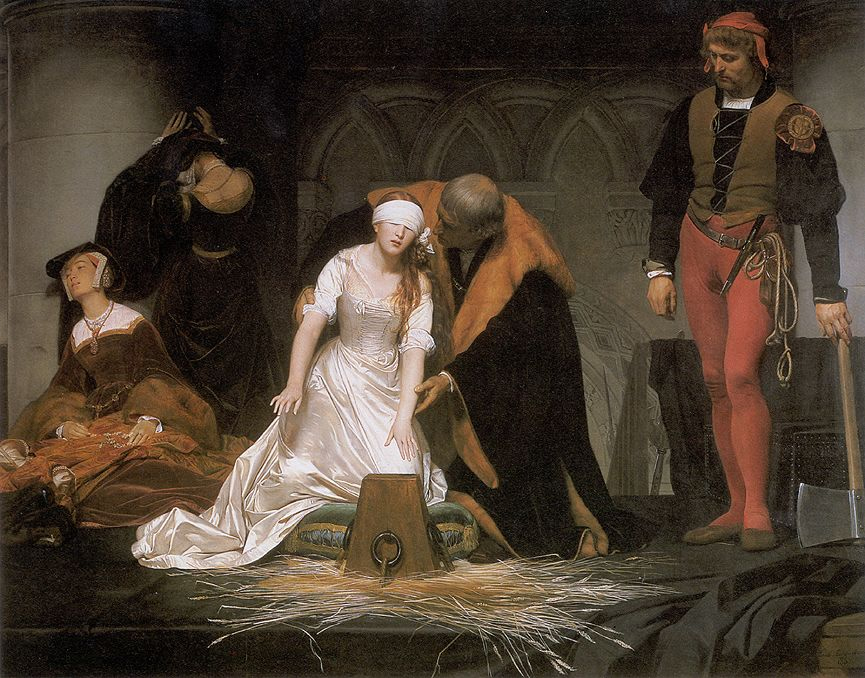
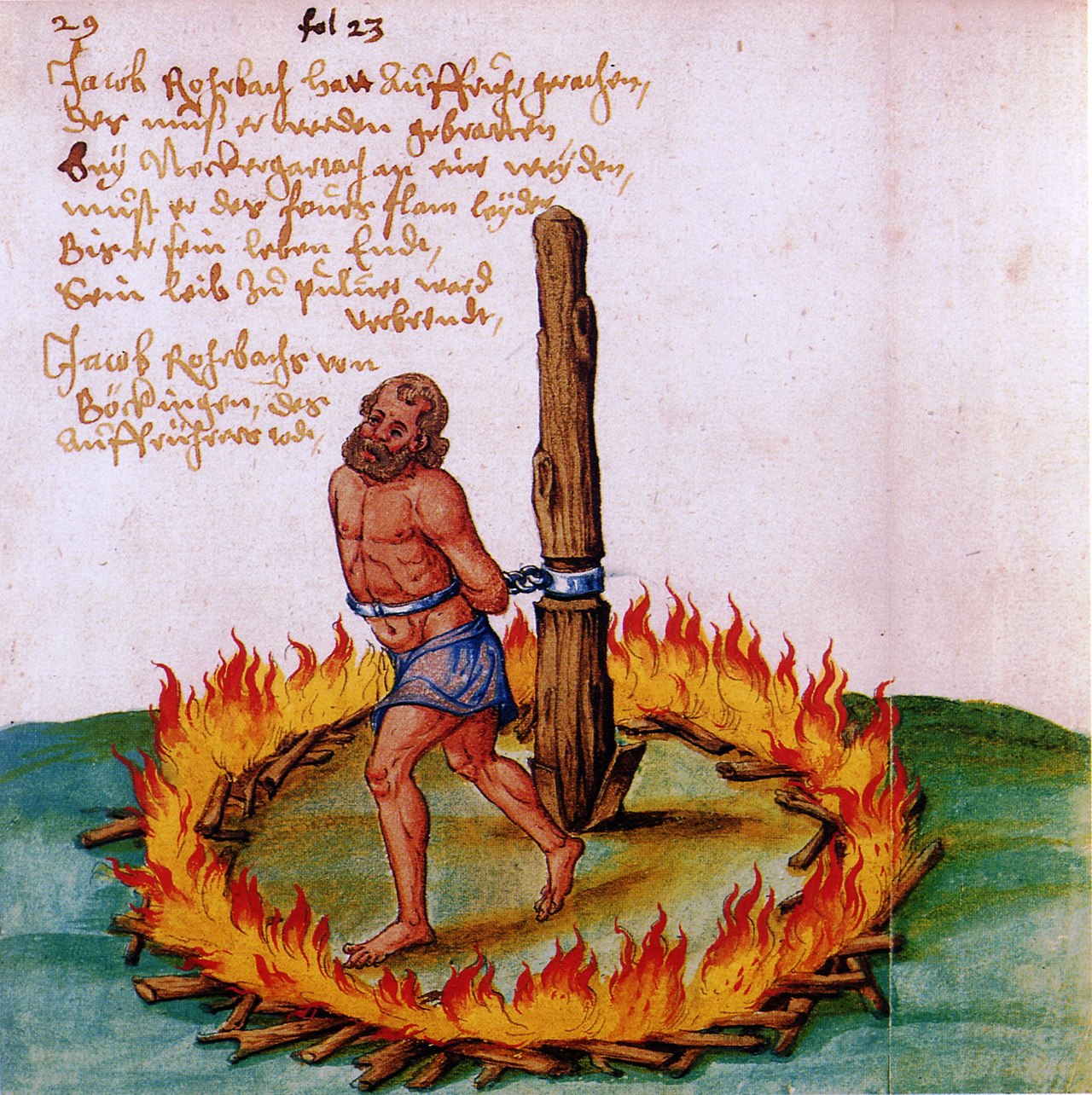
Execution, also called capital punishment or the death penalty, is the deliberate, state-authorized taking of a convicted person's life following conviction for an offense classified by law as punishable by death. It is imposed by state authorities after a judicial process that finds a defendant guilty of a qualifying crime, such as treason or exceptionally serious murder. Historically the term has also referred to the individual who carries out the sentence (the executioner).
Image gallery
10 Images






Legal framework and procedure
Jurisdictions that retain capital punishment define eligibility, trial procedure, and post-conviction remedies in written law and practice. Typical safeguards include trial by jury or judge, guided sentencing rules, appellate review, and avenues for clemency. In some legal systems the presiding judge retains discretion at sentencing; in others the sentence follows a statutory or jury-determined outcome. When the death sentence is not imposed or is commuted, the alternative is often long-term imprisonment, including life without parole.
Methods and administration
Methods of execution have varied across time and place. Modern methods have included lethal injection, electrocution, hanging, and firing squad. States establish procedural rules to govern who administers the sentence, how it is documented, and how witnesses and officials are assigned. Discussions about humaneness, reliability of protocols, and the risk of botched procedures persist in legal and medical debate.
- Common methods in the modern era: lethal injection, electrocution, firing squad, hanging.
- Administrative roles: courts, prison authorities, medical technicians, and oversight officials.
History and international development
Execution is an ancient legal practice found in many historical systems. During the 19th and 20th centuries many countries moved to restrict or abolish capital punishment, influenced by evolving legal standards, moral arguments, and international human rights norms. Today, some nations retain the death penalty in statute but observe de facto moratoria; others have removed it from their penal codes entirely. Comparative information about particular countries shows wide variation in eligibility and application.
Contemporary debates
Arguments for capital punishment emphasize retribution, incapacitation of dangerous offenders, and moral accountability. Opponents cite the risk of wrongful conviction, discriminatory application, lack of clear deterrent effect, and the ethical problem of state-sanctioned killing. International bodies and many legal scholars call attention to procedural fairness, the treatment of vulnerable defendants, and the need for transparent review mechanisms.
Alternatives and reform
Reform efforts focus on narrowing eligibility, improving legal safeguards, creating review processes, or abolishing the practice in favor of long-term imprisonment. Clemency and commutation remain tools through which executive authorities can prevent executions. The issue continues to engage lawmakers, courts, victims' families, and civil society in debate over law, ethics, and public policy.
Because execution touches criminal law, human rights, and social values, it remains a significant and contested element of modern legal systems. For jurisdiction-specific rules and case law, consult primary legal sources and comparative studies via authoritative databases (state resources, legal repositories and international reports).
Questions and answers
Q: What is execution?
A: Execution is the act of the state authorities killing someone who has committed an extremely serious crime, typically treason or particularly heinous murders.
Q: Where is the death penalty still provided for by law?
A: The death penalty is still provided for by law in many countries.
Q: Is using the death penalty mandatory if recommended by a jury or judicial panel?
A: No, even if a jury or judicial panel recommends the death penalty, the sentencing judge still has the option to sentence the convicted person to life in prison.
Q: What is the role of an executioner?
A: An executioner is a person whose job is to carry out executions.
Q: What types of crimes are typically punished with execution?
A: Crimes such as treason or particularly heinous murders are the types of crimes that are typically punished with execution.
Q: Can someone be sentenced to life in prison instead of being executed?
A: Yes, even if a jury or judicial panel recommends the death penalty, the sentencing judge still has the option to lock the convicted person in a prison for the rest of his or her life.
Q: Is execution an option in every country?
A: No, the death penalty is not used in every country. It is still used in many countries around the world, but some countries have abolished the death penalty entirely.
Related articles
Author
AlegsaOnline.com Execution (capital punishment) Leandro Alegsa
URL: https://en.alegsaonline.com/art/32902