
Diana Krall: Canadian Jazz Singer, Pianist, and Interpreter of Standards
Overview of Diana Krall — her life, musical style, major recordings and awards, and influence as a leading contemporary jazz vocalist and pianist.
Diana Krall (born November 16, 1964, in Nanaimo, British Columbia) is a Canadian jazz pianist and singer known for her warm contralto, tasteful piano comping and interpretations of classic popular songs. Over several decades she has combined a trio-based jazz approach with occasional orchestral arrangements, recording a string of commercially successful albums that brought jazz standards to a broad international audience. Her work has earned multiple awards and widespread recognition, while she has remained closely associated with the Great American Songbook and the small-group jazz tradition.
Image gallery
5 Images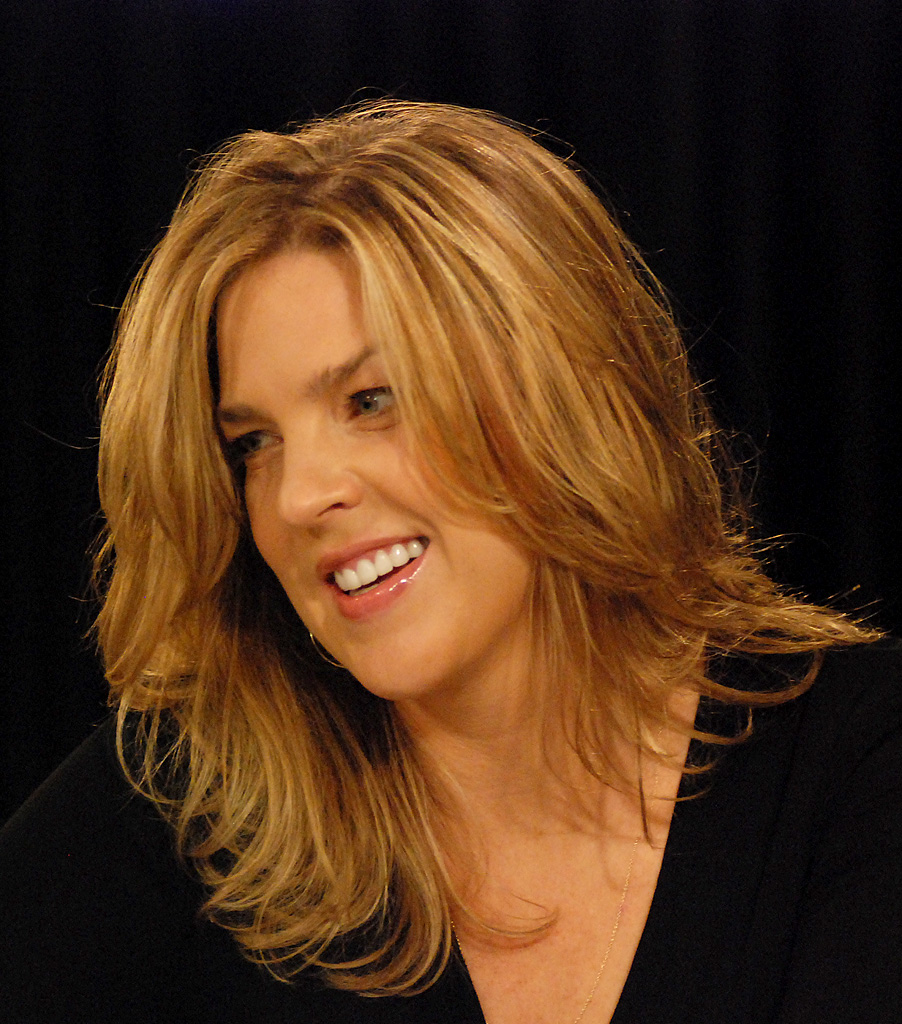


Early life and musical formation
Krall began piano lessons as a child and was performing publicly by her mid-teens, playing in restaurants and local venues. At 17 she won a scholarship associated with the Vancouver jazz scene that enabled her to study at the Berklee College of Music in Boston. She later studied with established jazz pianists and moved to Los Angeles for further training, then to New York City in 1990 to immerse herself in the city’s jazz community. These formative years shaped her rhythmic feel, harmonic sensibilities and approach to song interpretation.
Artistic style and ensemble work
Krall’s style blends a laid-back vocal delivery with sensitive, often understated piano accompaniment. She frequently performs in a piano-bass-drums trio format, a lineage that traces back to small jazz groups of the mid-20th century. Her arrangements emphasize melody and swing, often featuring intimate tempos, subtle reharmonizations and close attention to lyric phrasing. While rooted in jazz standards, her repertoire also includes contemporary songs reworked for jazz settings and occasional original compositions.
Key recordings and recognition
Recordings from the 1990s onward established Krall as a major figure in contemporary jazz. A mid-1990s tribute to the Nat King Cole trio helped draw attention to her combination of vocal and piano skills; later albums mixed trio performances with lush orchestral arrangements and reached wide audiences. She has received multiple industry awards and nominations, including Juno Awards in Canada and Grammy recognition internationally. Notable albums have topped Canadian charts, won critical praise and helped introduce jazz standards to listeners who might not otherwise encounter the genre.
Personal life and influence
Krall has collaborated with many leading players and producers, and her recordings have often featured veteran jazz sidemen and arrangers. In 2003 she married musician and songwriter Elvis Costello; the couple have collaborated artistically at times. Beyond awards and sales, Krall’s influence lies in bringing classic jazz material to a wider pop and adult-contemporary audience, helping sustain interest in small-group jazz and the standard repertoire for new generations of listeners.
Further reading and resources
- Biography and early life
- Musical style and influences
- Discography overview
- Piano technique and approach
- Nanaimo and local background
- British Columbia music scene
- Early piano study
- Performances in restaurants and early gigs
- Vancouver jazz connections
- Vancouver Jazz Festival
- Scholarship details
- Student awards
- Financial support for young musicians
- Early recognition and prizes
- Study at Berklee College of Music
- Boston jazz education
- Los Angeles studies
- Move to New York and career development
- All for You (1996) and tribute work
- Tributes to earlier jazz artists
- Nat King Cole trio connections
- Chart performance and popular reception
- Awards and Grammy recognition
- Juno Awards and Canadian honors
- Notable cover versions
- Marriage and partnerships
- Connections with British musicians
- Elvis Costello and family life
For listeners new to Diana Krall, recommended entry points include a mix of trio recordings and her more orchestrated albums to appreciate both her small-group swing and her work with larger arrangements. Her recordings serve as a modern example of how jazz standards can be kept alive through careful interpretation and accessible, sympathetic production.
Related articles
Author
AlegsaOnline.com Diana Krall: Canadian Jazz Singer, Pianist, and Interpreter of Standards Leandro Alegsa
URL: https://en.alegsaonline.com/art/117607