
Grammy Award
The Grammy Award is an annual U.S. honor presented by the Recording Academy for excellence in recorded music and spoken word, covering many genres and dozens of categories.
Overview
The Grammy Award, commonly called the Grammy or Gramophone Award, is an annual prize administered by the Recording Academy to recognize outstanding achievement in recorded music and related spoken recordings. The ceremony is a high‑profile televised event that honors artists, producers, engineers and songwriters across a wide variety of styles. The name refers to the gramophone, an early playback device, and the statuette itself depicts a small gilded gramophone.
Image gallery
7 Images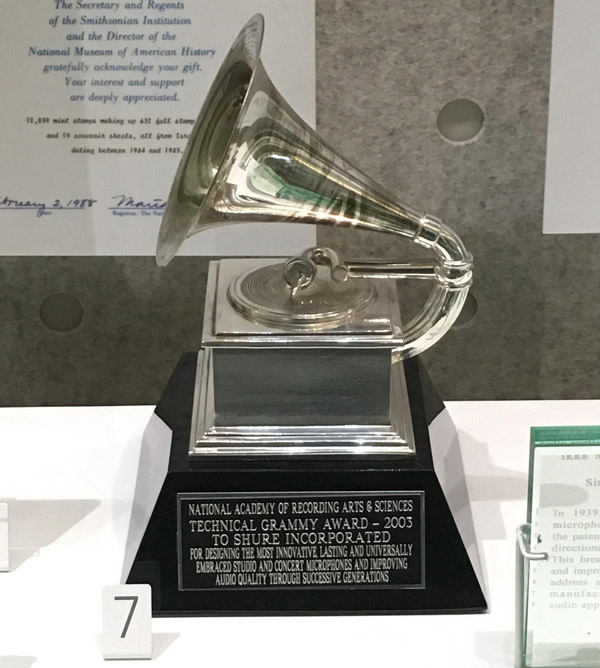


Structure and voting
Grammys are organized into many categories that span multiple genres; the awards program has been expanded and restructured repeatedly to reflect changes in the music industry. Eligible recordings are submitted for consideration, screened for category placement, and then voted on by members of the Recording Academy—professionals with credits in recording. Nominees and winners are determined through rounds of voting, and several categories are considered the most prestigious: Record of the Year, Album of the Year, Song of the Year and Best New Artist.
History and equivalents
Initially billed as the Gramophone Awards, the event grew from a relatively modest industry honor into a global media spectacle. Over time, separate ceremonies and related programs have emerged—such as the Latin Grammys for Ibero‑American music—and many countries operate their own national awards. For example, the British equivalent is the Brit Awards, while Canada recognizes its music through the Juno Awards. The Grammys reflect both changes in technology and shifts in popular taste, periodically adding or consolidating categories to accommodate new styles and formats.
Major categories and impact
Key categories commonly noted by the public and press include:
- Record of the Year (awarded to performers and production team)
- Album of the Year (award for an entire album project)
- Song of the Year (honors songwriters)
- Best New Artist (spotlights emerging talent)
Winning or even being nominated for a Grammy can boost an artist's visibility and sales, and many performers cite Grammys as career milestones. The event also serves as a barometer for industry trends because it publicly highlights certain genres and works each year.
Criticism and notable facts
The Grammys have faced criticism about bias, lack of representation, and perceived favoritism toward commercially successful acts or mainstream styles. Observers and industry members debate voting transparency, category definitions and how well the awards represent diverse musical communities. The ceremony remains influential despite these critiques, and its evolution continues as the music landscape shifts in the streaming era.
Records and examples
Some individual achievements stand out in the awards' history. Conductor Georg Solti is often cited for holding the record for the most Grammy wins by a single individual. Beyond individual records, the program's many categories—covering classical, pop, rock, R&B, country, jazz, and more—highlight the breadth of recorded music recognized each year.
For further background on submission and voting rules, category definitions, and recent winners, consult official Recording Academy resources or trusted industry coverage linking the Grammys to developments in the broader music industry.
Related articles
Author
AlegsaOnline.com Grammy Award Leandro Alegsa
URL: https://en.alegsaonline.com/art/40134
Sources
- rs6.loc.gov : rs6.loc.gov
- nytimes.com : "MUSIC: THE GRAMMYS/CLASSICAL; Fewer Records, More Attention"