
Diana Serra Cary (Baby Peggy) — Silent Film Child Star, Author, and Historian
Diana Serra Cary (1918–2020), known as Baby Peggy, was a prominent American child star of the silent film era who later became an author, film historian, and advocate for preserving early cinema.
Overview
Diana Serra Cary, who performed as Baby Peggy, was one of the most recognizable child performers of American silent cinema. Born in 1918 in California, she became a major box-office draw in the 1920s and remains notable as one of the last surviving actors from the silent era. After leaving the screen she rebuilt her life as a writer, historian and speaker, documenting the experiences of early Hollywood and advocating for film preservation.
Image gallery
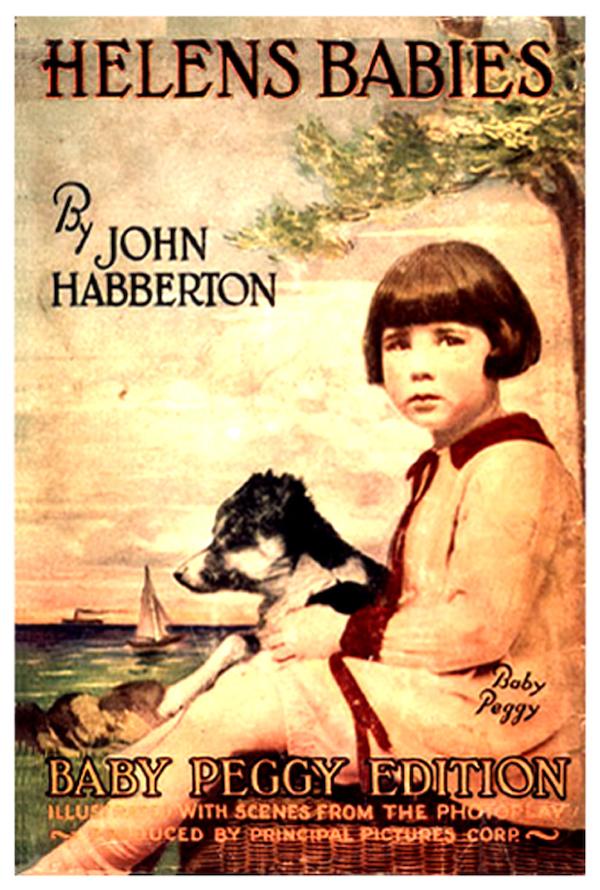
8 Images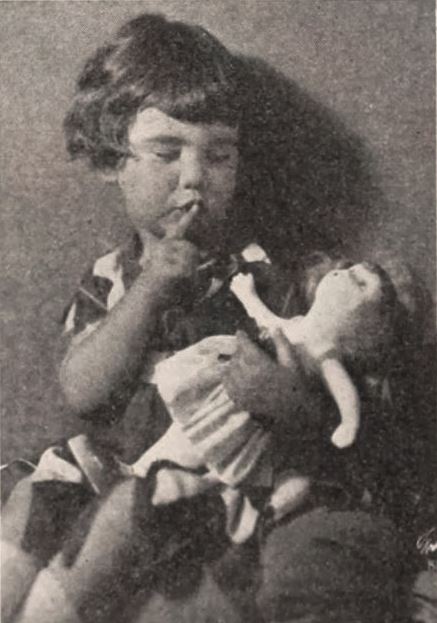


Early life and rise to fame
Cary began appearing in motion pictures as an infant and by the early 1920s was billed nationally under her stage name. As a child performer she made dozens of short films and features, often portraying charming, precocious characters that showcased the sentimental and slapstick styles popular in the period. Her popularity reflected the public appetite for family-oriented melodrama and comedy during the silent era, when young performers could be marketed as national sensations.
Career characteristics and notable work
Films featuring Cary typically emphasized visual comedy, expressive close-ups, and carefully staged physical gags that translated without sound. While specific titles and studio details are part of film history, her work exemplified how silent-picture production relied on expressive acting, pantomime, and intertitles to tell stories. Many of her films were produced in California by independent producers and studios that catered to audiences for short comedies and family features.
Later life, writing, and historical work
After retiring from acting in the 1930s, Cary lived a life largely out of the public eye before returning as an author and commentator. She wrote memoirs and articles about her childhood in Hollywood and the broader silent-film industry, offering a rare first-person perspective on the business practices and social conditions faced by early movie children. Her later work included public talks, interviews, and efforts to preserve and interpret silent films for modern audiences.
Legacy and significance
Cary's life illustrates several larger themes in film history: the rise and influence of child stars in popular culture, the transition from silent film to sound, and the challenges of preserving fragile nitrate films and the stories surrounding them. Because she lived well into the 21st century she served as a living connection to the cinematic past and helped scholars and fans better understand the realities of early Hollywood.
Personal details and notable facts
- She was born in Merced, California; her early years and career were rooted in California film communities such as Merced and later life in towns connected to her family.
- As a child star she is associated with the broader silent era of American filmmaking, a period that shaped Hollywood's early development.
- Cary was raised in part in the San Diego area; her life spanned roles in film, writing and historical advocacy in places such as San Diego.
- She died in Gustine, California, and her passing was noted as the loss of a direct witness to early cinema history; she died in 2020 in Gustine.
Although individual film titles and contract details are best explored through archival sources and specialist studies, Cary's published memoirs and interviews remain useful primary resources for researchers. Her efforts to recount and interpret her experiences helped preserve anecdotal and contextual information that would otherwise have been lost with the passing of that generation of performers.
For readers interested in early Hollywood, Baby Peggy's story is a window into how stardom, studio systems, and public tastes shaped the lives of performers and the development of cinema as a cultural industry. Her dual role as a former star and later a historian made her an important voice in the movement to recognize and preserve the silent-film legacy.
Further reading and resources: Contemporary biographies, film-archival collections and retrospectives on silent cinema provide extended discussion of Cary's filmography and influence. For general context about the period and surviving film materials, consult specialized film history collections and archives.
silent era | Merced | San Diego | Gustine
Related articles
Author
AlegsaOnline.com Diana Serra Cary (Baby Peggy) — Silent Film Child Star, Author, and Historian Leandro Alegsa
URL: https://en.alegsaonline.com/art/117612
Sources
- ucmerced.edu : "Hollywood History: Child Star Baby Peggy at UC Merced Jan. 24"
- hollywoodreporter.com : Baby Peggy, Child Star of Silent Films, Dies at 101