
Restaurant — types, service, history, and cultural importance
Overview of restaurants: definition, common formats (fast food, fast casual, fine dining), service styles, regulation, economic and cultural roles, and contemporary trends in hospitality.
A restaurant is an establishment that prepares and sells ready-to-eat meals to the public and provides a place for customers to eat and socialize. It can range from a simple street stall to an elaborate tasting venue. Beyond providing nourishment, restaurants function as social, cultural and economic nodes where people meet, celebrate, work and relax. Information and services about the sector are often available from public and industry sources.
Image gallery
10 Images







Common types and formats
- Fast food: Standardized menus, rapid preparation and low prices characterize this format; global examples include McDonald's, Burger King and Pizza Hut. Fast food often emphasizes convenience and employs franchising as a growth model.
- Casual and fast-casual: A middle ground that offers higher-quality ingredients and sometimes limited table service. Chains often associated with this category include Applebee's and Perkins, while the term fast casual describes the general format.
- Quick-service variants: Drive-throughs and takeout-first outlets shorten wait times and increase convenience; some customers use a drive-through or collection window.
- Cafés, bistros and diners: Small, informal places serving coffee, light meals and daylong menus.
- Specialty and mobile: Food trucks, pop-up kitchens and market stalls focus on a single cuisine or concept.
- Fine dining and haute cuisine: Venues that emphasize technique, service and atmosphere are often recognized by critics and guides, and can command higher prices and formal reservations.
Recognition and fine-dining traditions
High-end restaurants are often evaluated by guides and critics; the Michelin Guide is one of the best-known systems. Some urban areas have particularly dense culinary scenes, and comparisons are often drawn between cities such as Tokyo, Kyoto, Paris, London and New York. Historically, prestigious hotel restaurants such as the Hotel de Paris in Monte Carlo or the Hôtel Ritz Paris played central roles in shaping elite dining culture.
Service styles and customer experience
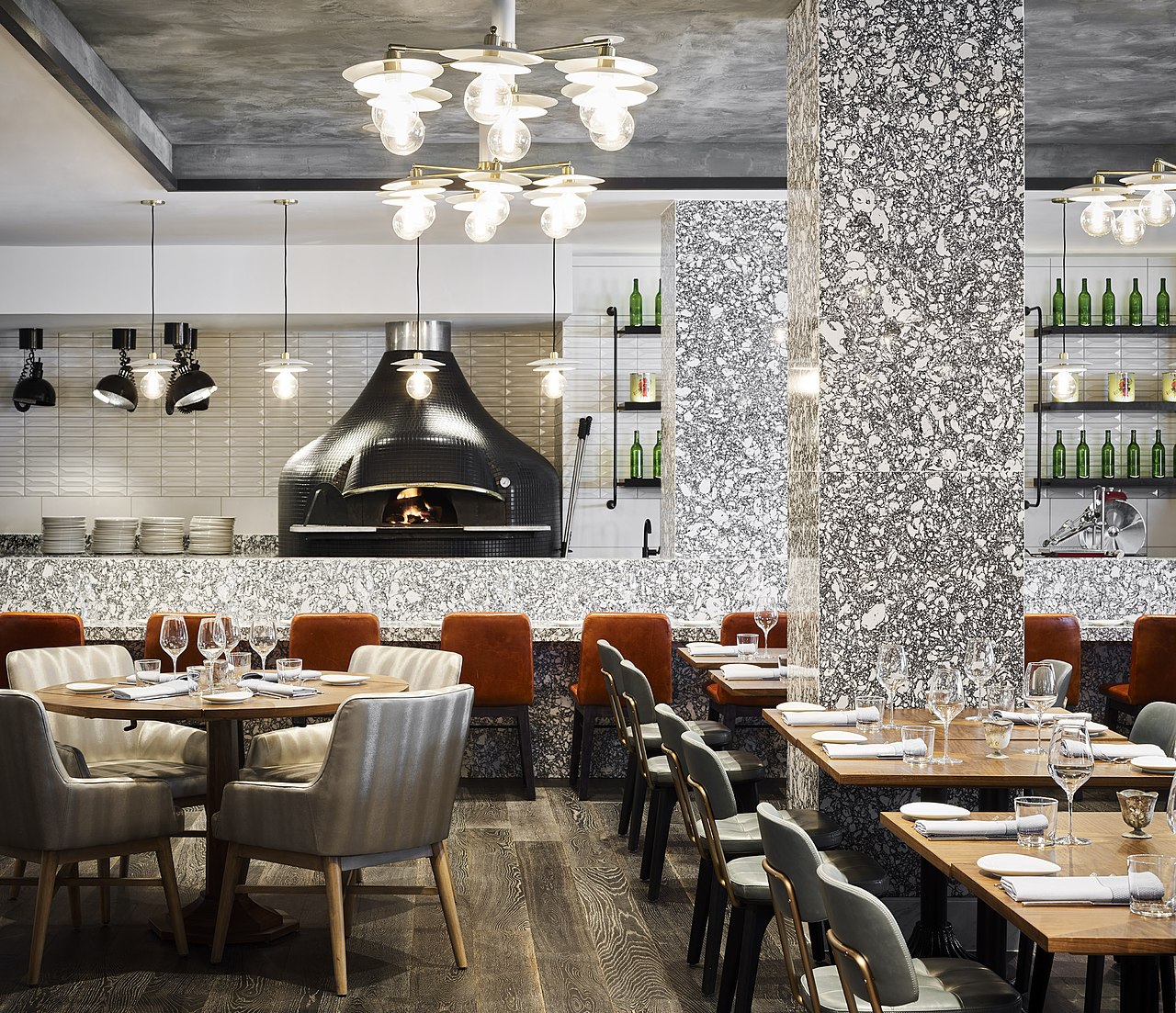
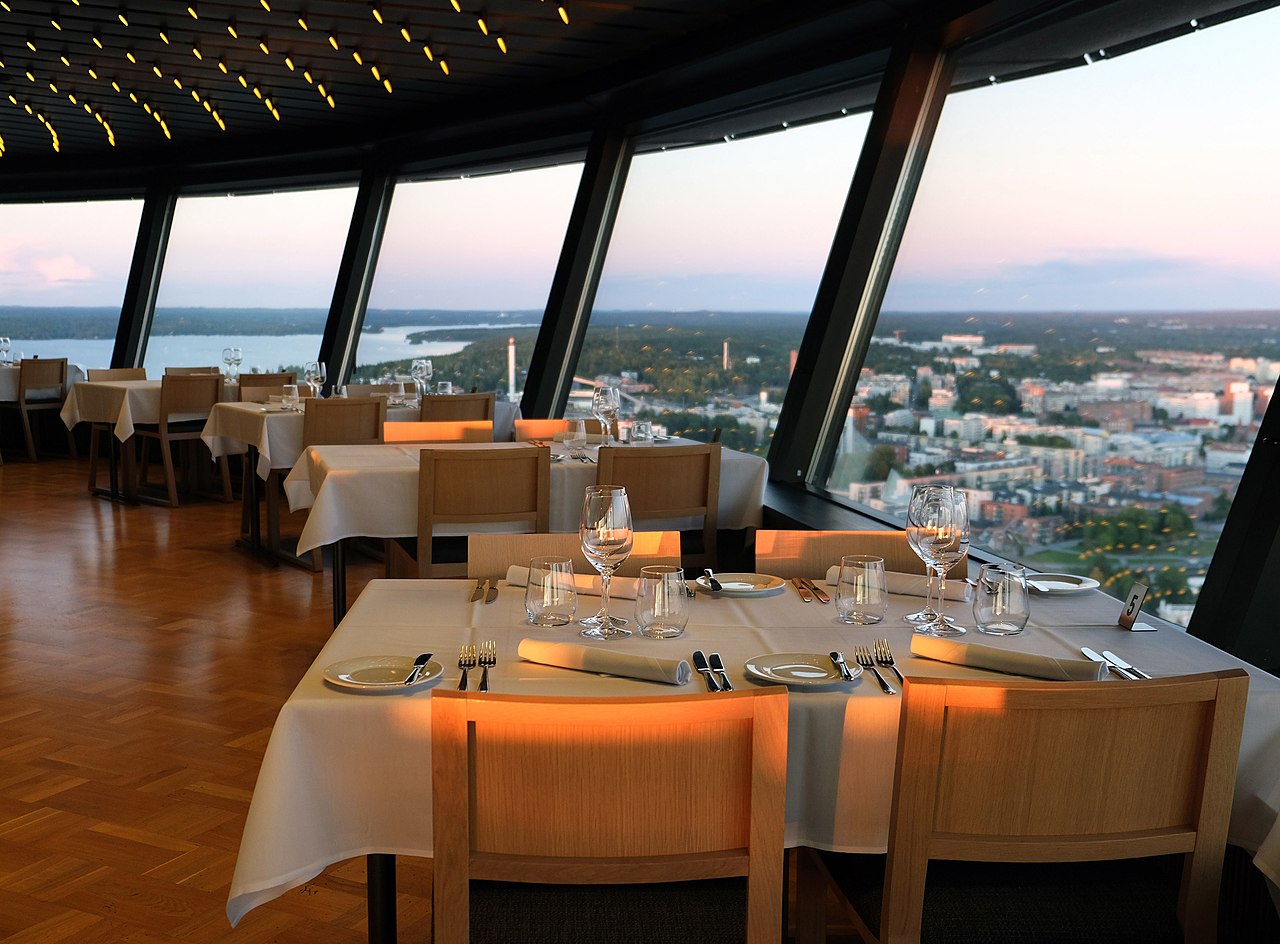
Restaurants differ by how food reaches guests: traditional table service, counter or cafeteria service, buffets, family-style sharing and self-service formats are common. Modern outlets commonly combine dine-in, takeout and delivery options. Customer experience also depends on interior design, lighting, acoustics and the level of personal interaction from staff.
Operations, regulation and safety
Because they handle food for the public, restaurants must comply with health and safety rules that govern food storage, preparation, cross-contamination prevention and employee hygiene. Local authorities typically inspect establishments and issue licenses or ratings. Proper sanitation, allergen management and traceability in sourcing are critical parts of daily operations.
Economic role and employment
The restaurant industry is a major employer and a link in wider supply chains that include farmers, processors, distributors and logistics providers. Small independent restaurants and large chains coexist; both contribute to tourism and local economies. Profitability depends on factors such as labor costs, rent, menu pricing, turnover and supply sourcing.
Menus, cuisine and cultural significance
Menus can highlight local traditions, seasonal ingredients and chef creativity. Restaurants are important sites for the preservation and reinterpretation of regional cuisines, for culinary innovation and for the diffusion of new eating habits. They also serve as settings for social rituals—family dinners, celebrations and business meals—shaping everyday culture.
Trends and technology
Recent trends include the growth of online ordering and delivery platforms, contactless payments, streaming reservation systems and kitchen automation for some tasks. Sustainability—through reduced food waste, local sourcing and transparent supply chains—has become a significant priority for many operators.
Staffing, training and careers
Work in restaurants ranges from front-of-house service and management to back-of-house culinary roles. Professional training, apprenticeships and on-the-job experience are common pathways. Career trajectories can lead from entry-level positions to roles as chefs, managers or restaurateurs, and many chefs become influential through publications, television or consultancy.
Accessibility, inclusion and community role
Accessibility for diners with disabilities, clear allergen information and inclusive practices are increasingly expected. Local restaurants can anchor neighborhoods by supporting local producers and hosting community events, and they often adapt menus and service to reflect changing demographics and tastes.
Whether operating at a local scale or as part of a global chain, restaurants continually adapt to technological advances, regulatory changes and evolving customer expectations. For introductory information about public health rules and industry guidance consult resources on food safety and standards and local business support portals referenced here.
Questions and answers
Q: What is a restaurant?
A: A restaurant is a place where cooked food is sold to the public, and where people can sit down to eat it. It's also a place for people to enjoy their time and have a meal.
Q: What are some examples of chain restaurants?
A: Examples of chain restaurants include McDonald's, Burger King, and Pizza Hut. These restaurants serve fast food which is inexpensive food that is prepared and served quickly.
Q: What type of chain restaurants serve slightly more expensive food?
A: Fast casual restaurants such as Applebee's and Perkins serve slightly more expensive food than traditional fast food chains.
Q: What guide recognizes the highest standards of cooking and service in fine dining establishments?
A: The Michelin Guide recognizes the highest standards of cooking and service in fine dining establishments with its 3-star rosettes rating system.
Q: Where were traditionally the main places recognized for fine dining?
A: Traditionally, the main places recognized for fine dining were top hotels such as the Hotel de Paris in Monte Carlo or the Hôtel Ritz Paris.
Q: Are most Michelin Guide restaurants separate establishments today?
A: Yes, most Michelin Guide restaurants are now separate establishments from hotels rather than being located within them.
Q: Does Tokyo have more 3-star rated Michelin Guide Restaurants than Paris, London, and New York combined?
A: Yes, Tokyo has more 3-star rated Michelin Guide Restaurants than Paris, London, and New York combined.
Related articles
Author
AlegsaOnline.com Restaurant — types, service, history, and cultural importance Leandro Alegsa
URL: https://en.alegsaonline.com/art/82319
Sources
- michelin.com : Michelin Guide Tokyo Yokohama Shonan 2012, with list of starred restaurants
- michelin.com.au : Michelin Guide Kyoto Osaka Kobe Nara 2012, with list of starred restaurants